

The golden albino axolotl is not just a captivating creature but also a fascinating subject for aquatic enthusiasts and researchers alike. Known for its striking appearance and remarkable regenerative abilities, this unique amphibian has gained popularity as a pet and a subject of scientific study. In this article, we will delve into the world of the golden albino axolotl, exploring its characteristics, care requirements, and the reasons behind its growing popularity among aquarists.
Understanding the Golden Albino Axolotl
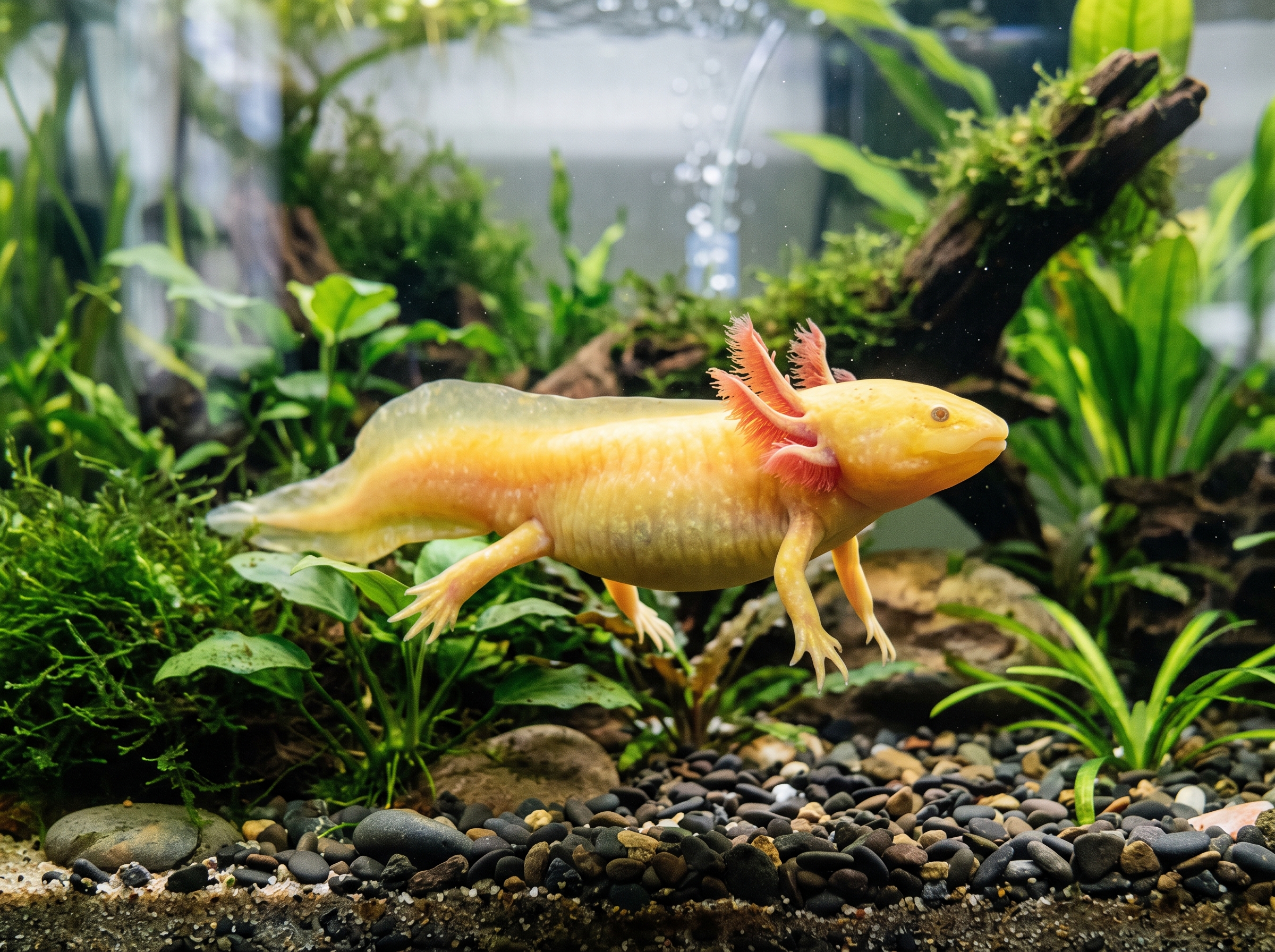
The golden albino axolotl, or Ambystoma mexicanum, is a mutation of the standard axolotl that features a beautiful golden hue and pinkish skin. This striking coloration is due to the absence of pigmentation, which also makes them more sensitive to light compared to their darker counterparts. These creatures are native to the lake complex of Xochimilco in Mexico, where they thrive in the cool, freshwater environment.
In the wild, the golden albino axolotl is increasingly rare due to habitat loss and pollution, making them a subject of conservation efforts. Their unique genetic makeup not only contributes to their aesthetic appeal but also has implications for scientific research, particularly in the fields of genetics and regenerative medicine. Understanding their biology and ecology is crucial for both conservation and successful husbandry in aquariums.

Physical Characteristics
Golden albino axolotls possess several distinctive physical traits that set them apart from other amphibians. They have external gills that resemble feathery plumes, which are used for respiration. These gills are not just for breathing; they also play a role in their unique appearance, giving them an ethereal look that many aquarists find appealing. Their bodies are elongated, and they have a wide head with a mouth that is well-suited for their carnivorous diet. Unlike many other amphibians, axolotls remain in their larval form throughout their lives, a phenomenon known as neoteny.
This neotenic trait means that they retain juvenile characteristics even into adulthood, including their external gills and aquatic lifestyle. This adaptation allows them to thrive in their aquatic environment, where they have few natural predators. Their golden hue is not only visually striking but also an evolutionary trait that may assist in camouflage among certain aquatic plants during the day, even though they primarily inhabit murky waters.
Habitat and Environment
In their natural habitat, golden albino axolotls prefer shallow waters filled with vegetation and hiding spots. This environment provides them with food sources such as small fish, worms, and insects, which are essential for their diet. The presence of plants also offers shelter from potential predators and provides a breeding ground for their food sources. Thus, a healthy ecosystem is vital for their survival.
For those looking to keep them as pets, replicating this environment in an aquarium is crucial for their health. A well-maintained tank with clean, cool water and plenty of hiding places will help mimic their natural setting. Adding live plants, such as Java moss or Anubias, can not only enhance the aesthetic of the aquarium but also help maintain water quality by absorbing excess nutrients. Furthermore, incorporating driftwood or rocks can create additional hiding spots, which are essential for the axolotl’s sense of security.
Behavior and Lifespan
Golden albino axolotls are generally docile and can be kept with other non-aggressive aquatic species. They exhibit fascinating behaviors such as foraging for food and interacting with their surroundings, displaying a level of curiosity that can be entertaining to observe. Their hunting technique involves a rapid snap of their jaws, allowing them to catch prey efficiently in their aquatic environment.
In captivity, they can live up to 10-15 years, provided they receive proper care and attention. Factors such as water quality, diet, and tank mates play significant roles in their overall health and longevity. Regular health checks can help detect any early signs of illness, and prompt treatment can significantly extend their lifespan. Additionally, stress factors such as sudden changes in water parameters or aggressive tank mates can negatively impact their well-being, making it essential for pet owners to create a stable environment.

Caring for Golden Albino Axolotls
Caring for a golden albino axolotl requires attention to detail and an understanding of their specific needs. Whether you are a seasoned aquarist or a beginner, following a few key guidelines will ensure your axolotl thrives in its new environment. Proper care not only enhances their quality of life but also contributes to their overall health and longevity.
📖 Baca juga: Discover the Fascinating World of Wild Type Axolotls: Nature’s Unique Marvels
Tank Setup
When setting up a tank for your golden albino axolotl, consider the following:
- Tank Size: A minimum of 20 gallons is recommended for one axolotl. Larger tanks can accommodate additional axolotls, but care must be taken to ensure they are all compatible.
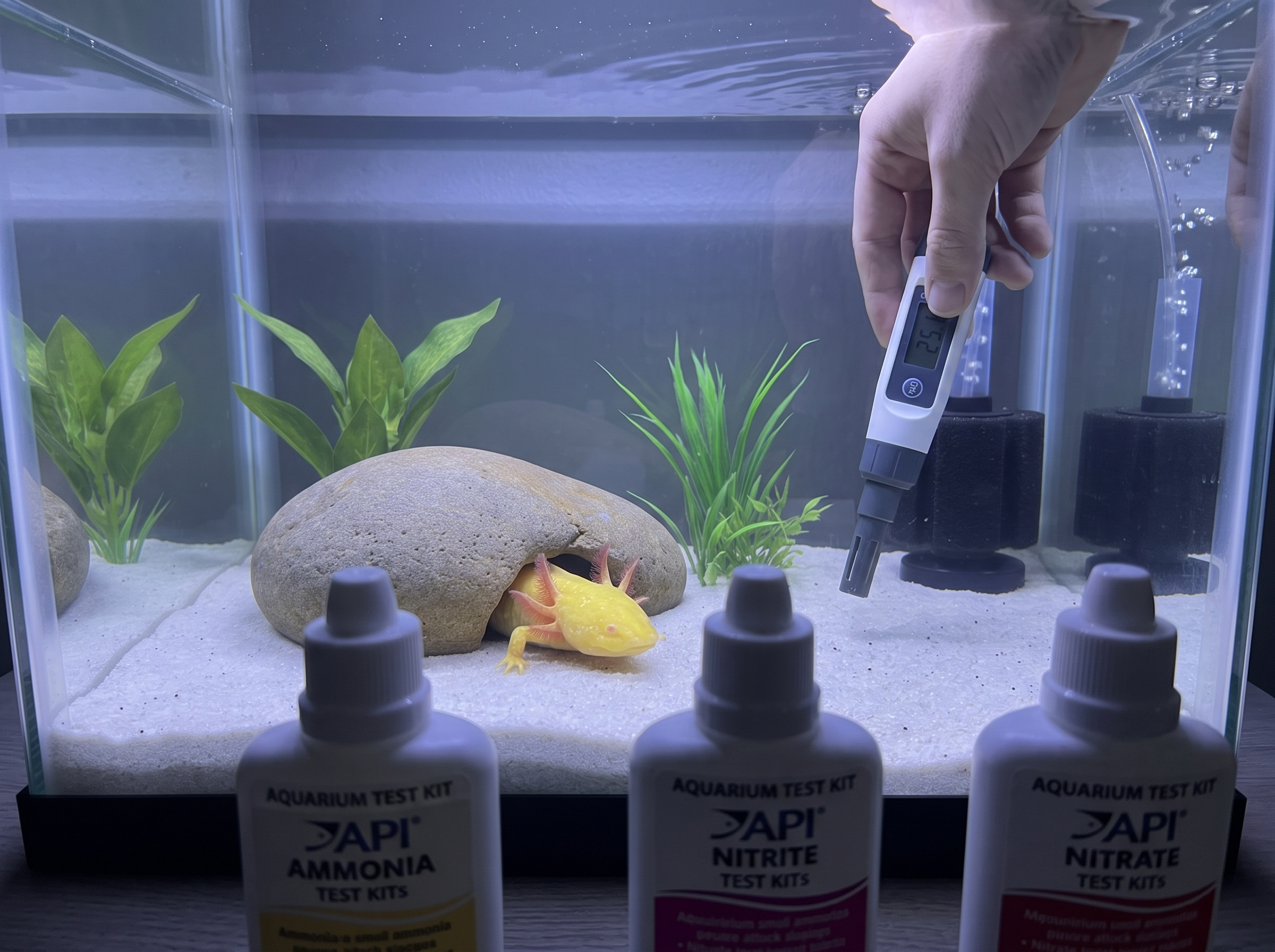
- Water Quality: Use a filtration system to maintain clean water, and perform regular water changes to keep the environment healthy. It’s crucial to monitor water parameters such as pH, ammonia, nitrite, and nitrate levels, as axolotls are sensitive to poor water quality.
- Substrate: Avoid gravel; instead, opt for sand or a bare-bottom tank to prevent accidental ingestion. Sand is easier on their delicate bodies and reduces the risk of gastrointestinal blockages, a common issue in axolotls.
Additionally, consider adding decorations that are smooth and free of sharp edges to prevent injury. Plants should be non-toxic and able to thrive in low-light conditions, as axolotls prefer dim lighting. These setups not only enhance the visual appeal of the aquarium but also provide a stimulating environment that encourages natural behaviors.
Feeding Requirements
Feeding your axolotl a balanced diet is essential for its growth and overall health. They are carnivorous and thrive on a diet that includes:
- Worms (earthworms or bloodworms): These are excellent sources of protein and are readily accepted by axolotls.
- Pellets specially formulated for axolotls: These can provide a balanced diet that includes essential vitamins and minerals.
- Small fish and shrimp: Live or frozen options can entice even the pickiest eater and can be a great way to encourage natural hunting behaviors.
It’s important to feed them appropriately sized food to prevent choking and ensure they can digest it properly. Overfeeding can lead to obesity and health issues, so it’s best to feed them once every other day, adjusting based on their size and activity level. Proper nutrition is critical for maintaining their vibrant coloration and overall vitality.
Temperature and Lighting
Golden albino axolotls prefer cooler water temperatures, ideally between 60-68°F (15-20°C). Using a heater is generally not recommended, as they can easily overheat. Instead, consider placing the tank in a cool room or using fans to maintain a stable temperature. Sudden temperature fluctuations can stress axolotls, leading to health problems.
Additionally, provide low lighting in their tank to mimic their natural habitat and minimize stress. Bright lights can be overwhelming for axolotls and may cause them to hide excessively, inhibiting their natural behaviors. Using subdued lighting or covering part of the tank with floating plants can help create a comfortable environment for your axolotl.
The Popularity of Golden Albino Axolotls
In recent years, the golden albino axolotl has surged in popularity among pet owners and aquarists. Their unique appearance and fascinating biology make them a sought-after addition to many aquariums. Furthermore, their ease of care compared to other exotic pets contributes to their appeal. The combination of visual beauty and manageable care requirements has made them a favorite among both novice and experienced aquarists.
Moreover, their captivating nature makes them a wonderful subject for educational purposes. Schools and aquarist clubs often use axolotls to teach about amphibian biology, ecosystems, and conservation efforts. Their ability to regenerate lost limbs also serves as an exciting topic for discussions on biology and medicine.
Scientific Research and Conservation
Golden albino axolotls are not only popular as pets but also play a significant role in scientific research. Their remarkable ability to regenerate lost limbs and other body parts makes them a valuable model for studying regenerative medicine. Researchers are investigating the genetic and molecular mechanisms behind this regeneration process to better understand potential applications in human medicine. Studying axolotls could lead to breakthroughs in healing traumatic injuries and degenerative diseases.
📖 Baca juga: Discover the Enigmatic Leucistic Axolotl: A Guide to This Unique Creature
Furthermore, conservation efforts are essential for their survival in the wild. As their natural habitat continues to face threats from urbanization and pollution, organizations are working to preserve their remaining populations. Breeding programs in captivity aim to maintain genetic diversity and support reintroduction efforts in their native habitats. Increased awareness and education about the challenges facing axolotls can encourage more individuals to participate in conservation efforts.
Community and Enthusiast Groups
The rise in popularity of golden albino axolotls has led to the formation of various online communities and forums where enthusiasts share their experiences, tips, and advice on care and breeding. Joining these communities can provide valuable insights and support for both novice and experienced axolotl keepers. Members often share photographs of their axolotls, discuss breeding techniques, and offer troubleshooting advice for common health issues.
These communities foster a sense of camaraderie among axolotl enthusiasts and can be a great resource for learning about new products and techniques for tank maintenance. Social media platforms also host groups dedicated to axolotl care, where members can engage in discussions and share their passion for these unique creatures. Connecting with others who share the same interests can enhance the experience of keeping axolotls and provide a support network for addressing challenges.
Conclusion: The Fascination with Golden Albino Axolotls
The golden albino axolotl stands out as a remarkable creature that captivates the hearts of many. With its stunning appearance and intriguing biological traits, it is no wonder that this unique amphibian has become a favorite among pet owners and researchers alike. The combination of their fascinating regenerative abilities and their gentle nature makes them a perfect choice for those looking to explore the world of exotic pets.
Whether you are considering adding one to your aquarium or simply want to learn more about them, the golden albino axolotl offers a glimpse into the wonders of nature. Their presence not only enhances the beauty of any aquatic setup but also reminds us of the importance of preserving our natural ecosystems and the species that inhabit them.
Frequently Asked Questions (FAQ)
What is a golden albino axolotl?
A golden albino axolotl is a color variant of the standard axolotl, recognized for its golden hue and pinkish skin due to a lack of pigmentation.
How long do golden albino axolotls live?
In captivity, golden albino axolotls can live between 10 to 15 years with proper care and a suitable environment.
What do golden albino axolotls eat?
They are carnivorous and should be fed a diet that includes worms, specially formulated pellets, and small fish or shrimp.
Can golden albino axolotls be kept with other fish?
They can be kept with other non-aggressive aquatic species, but it is essential to avoid keeping them with fish that might nip at their gills or fins.