
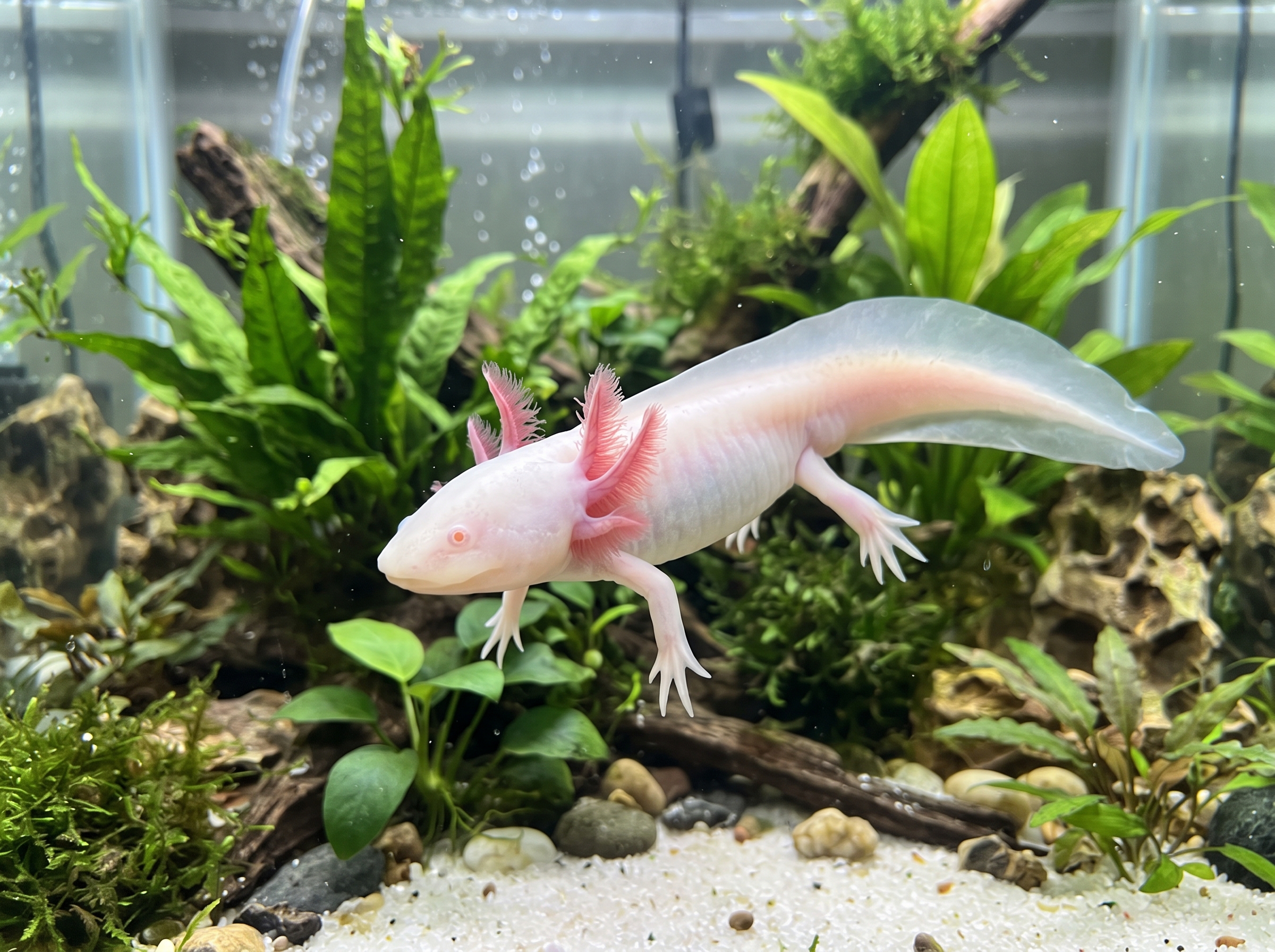
The white albino axolotl, a captivating creature of the aquatic world, has captured the hearts of many with its unique appearance and fascinating biology. This enchanting amphibian, known for its striking white color and red eyes, is not only a pet for enthusiasts but also a subject of scientific interest. In this article, we will delve into the intriguing features of the white albino axolotl, its habitat, care tips, and much more.
What Makes the White Albino Axolotl Unique?
The white albino axolotl (Ambystoma mexicanum) is a variant of the Mexican axolotl, characterized by its lack of pigmentation, resulting in its iconic white coloration. This genetic mutation is a fascinating aspect of its biology, making it stand out among other axolotls and amphibians. Unlike typical axolotls, which exhibit a range of colors including brown and gray, the albino variant presents a striking appearance that has made it a favorite among aquarium enthusiasts.
Furthermore, the white albino axolotl serves as a reminder of the rich biodiversity found in aquatic ecosystems. Its unique characteristics, including its external gills and finned tail, allow it to thrive in its natural habitat. The axolotl’s larval features persist throughout its life—a phenomenon known as neoteny—allowing it to maintain its juvenile traits even in adulthood. This adaptation is particularly beneficial in its native environment, where the ability to remain an aquatic larva provides advantages over terrestrial metamorphosis.
Genetic Traits and Characteristics
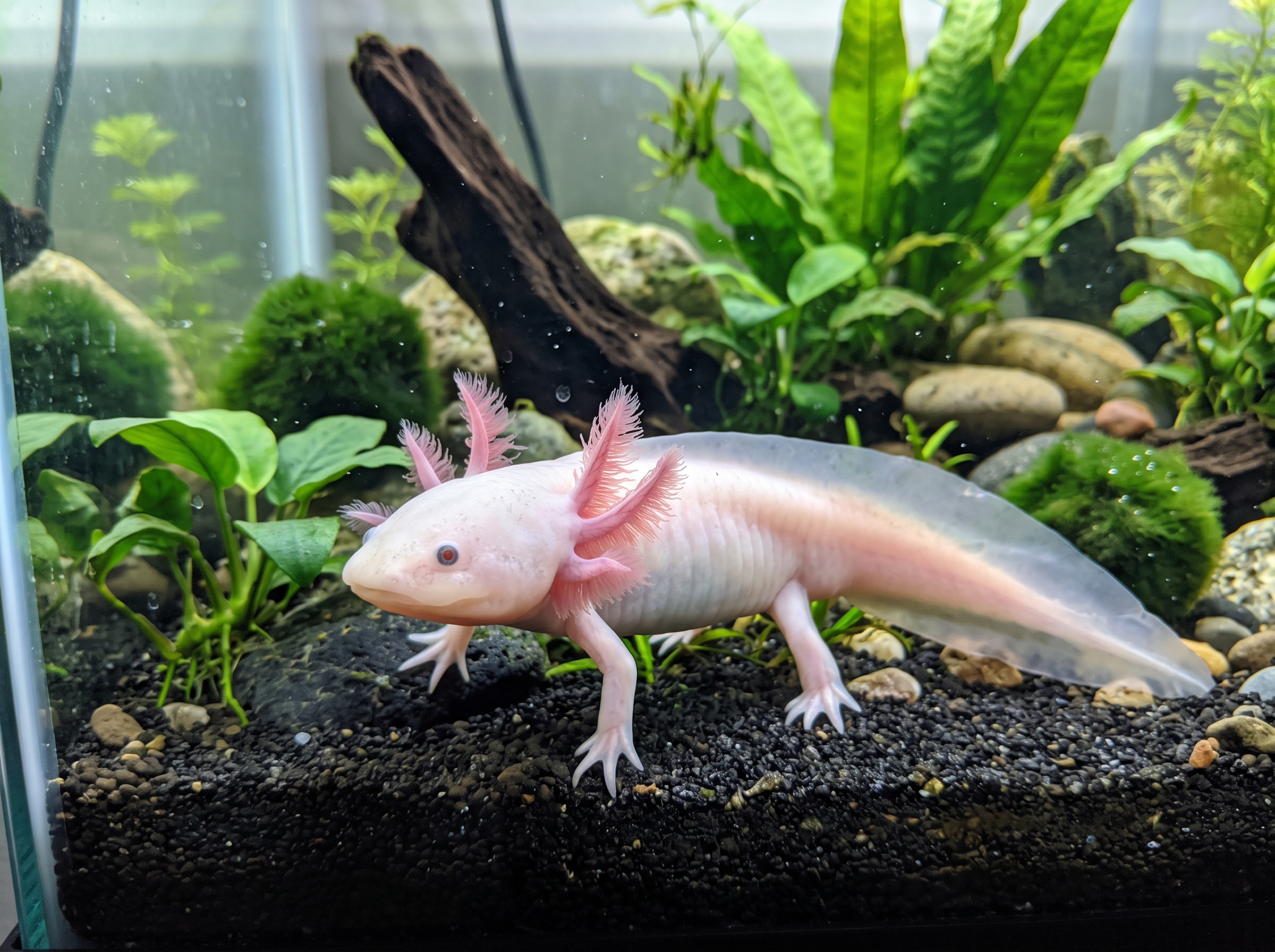
The genetic mutation responsible for the white coloration of the albino axolotl is linked to a lack of melanin. Melanin is the pigment responsible for coloration in many animals, and its absence in albino axolotls results in their striking appearance. However, this lack of pigmentation also makes these creatures more sensitive to light, requiring specific care to ensure their health and well-being. For instance, owners must provide appropriate tank lighting and avoid exposing them to direct sunlight, which can cause stress and health issues.
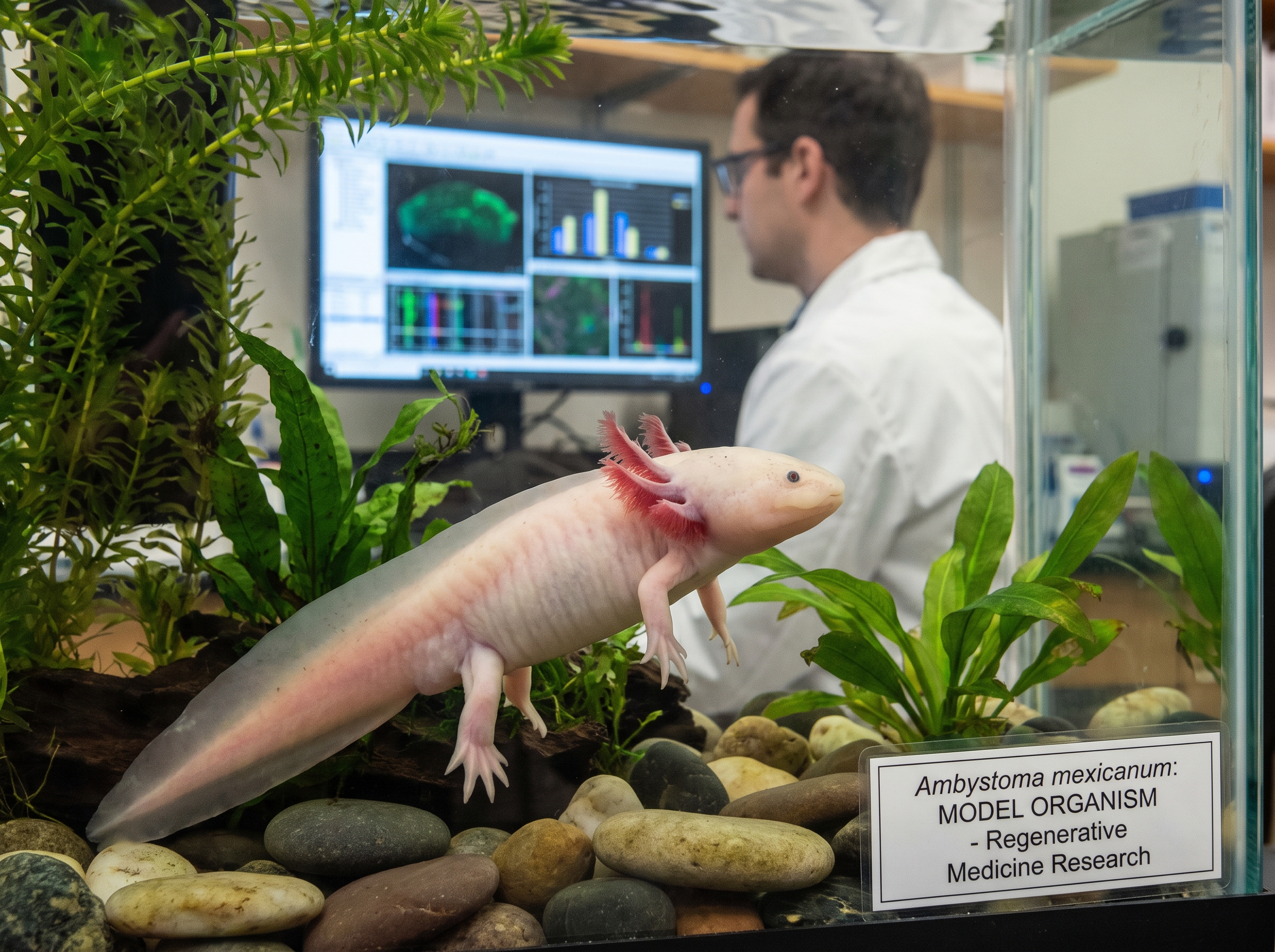
In addition to their unique coloration, axolotls possess remarkable regenerative abilities, allowing them to regrow limbs and even parts of their heart and brain. This regenerative capacity is a subject of ongoing scientific research, as understanding the underlying mechanisms could lead to breakthroughs in medicine and regenerative therapies for humans. Studies suggest that axolotls can regenerate their limbs without forming scar tissue, a process that is still not fully understood but showcases their exceptional biological traits.
Habitat and Natural Environment
In their natural habitat, axolotls are found in the lakes and canals of Xochimilco, Mexico. Unfortunately, due to urbanization and pollution, their natural environment is rapidly diminishing, making them critically endangered in the wild. The white albino axolotl thrives in cool, fresh water with ample vegetation, which provides both shelter and food. The presence of aquatic plants is crucial, as it offers hiding spots from predators and serves as a source of nutrition in the form of detritus and microorganisms.
Mimicking these conditions in captivity is essential for their survival and growth. Owners should aim to replicate the natural water quality, temperature, and vegetation found in Xochimilco. Using a high-quality filter to maintain water clarity and quality is vital, as axolotls are particularly sensitive to toxins and pollutants. Regular water changes and monitoring water parameters can help create a healthy environment that supports their overall well-being.
Behavior and Social Structure
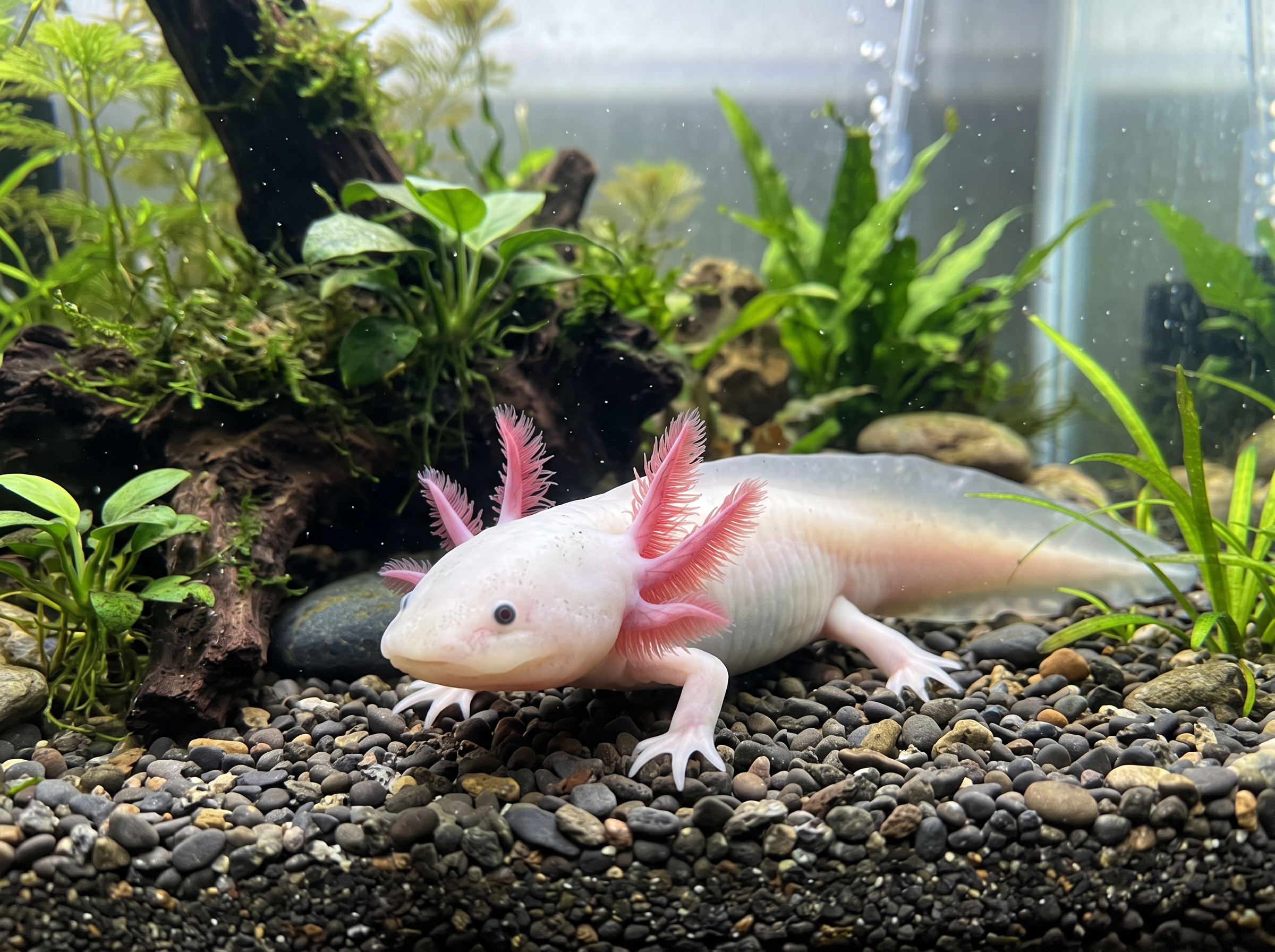
White albino axolotls are generally solitary creatures, preferring to live alone rather than in groups. In the wild, they exhibit territorial behavior and can become aggressive when defending their space. Understanding their behavior can help owners create an ideal environment that caters to their needs, ensuring a happy and healthy pet. Providing hiding spots and ample space in the tank can help reduce stress and promote natural behaviors.
As carnivorous creatures, axolotls feed primarily on small invertebrates, worms, and fish. Their feeding habits are not just about sustenance; they also play a role in their natural behavior. In the wild, axolotls often hunt for food, which keeps them active and engaged. Owners can stimulate their axolotls by varying their diet and incorporating different types of food to encourage foraging behavior, thus enhancing their overall health and vitality.
Caring for Your White Albino Axolotl
Caring for a white albino axolotl requires attention to detail, as their specific needs differ from more common pets. Here are some essential tips for ensuring your axolotl thrives in captivity. Proper care not only ensures the health of your axolotl but also enhances your experience as an owner, creating a rewarding relationship with this fascinating creature.
Optimal Tank Conditions
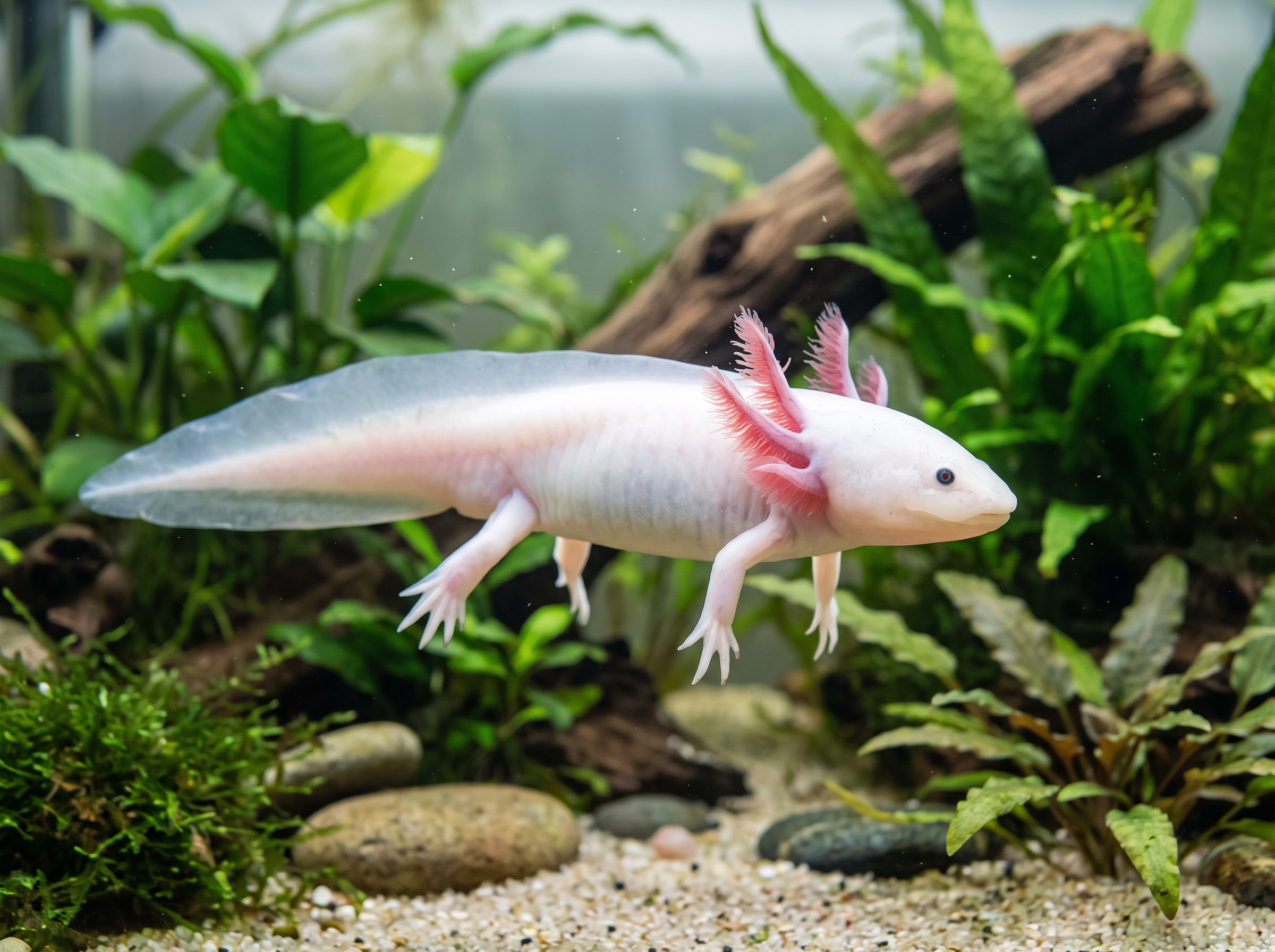
Setting up a suitable tank for your white albino axolotl is crucial. The tank should be at least 20 gallons to provide ample space for swimming and hiding. A larger tank can help maintain stable water conditions, which is important for the health of your axolotl. Here are some important factors to consider:
📖 Baca juga: Discover the Alluring Golden Albino Axolotl: Nature’s Unique Wonder
- Water Quality: Maintain clean, filtered water with a pH level between 6.5 and 8.0. Regular testing of water parameters helps ensure a healthy environment, as fluctuations can lead to stress and health issues.
- Temperature: Keep the water temperature between 60°F to 68°F (15°C to 20°C). Temperatures that are too high can lead to stress and health complications, so using a reliable thermometer and heater is recommended.
- Tank Decor: Include plants, rocks, and hiding spots to mimic their natural habitat. Live or artificial plants can provide shelter and help maintain water quality by absorbing excess nutrients.
Additionally, avoiding sharp objects or rough surfaces in the tank is important to prevent injury, as axolotls have delicate skin and can be prone to abrasions. Regular maintenance, including cleaning the substrate and checking the filtration system, will contribute to a thriving environment.
Feeding Your Axolotl
Feeding a white albino axolotl requires knowledge of their dietary needs. They should be fed a varied diet that includes:
- Earthworms
- Bloodworms
- Small pellets designed for axolotls
It’s crucial to feed them appropriate-sized food items to prevent choking and ensure proper digestion. Providing a mix of live and frozen foods can stimulate their natural hunting instincts, making feeding time more engaging. It’s also advisable to observe their feeding habits, as axolotls may have individual preferences for certain food types.
Feeding frequency should be adjusted based on their age and size. Young axolotls may require more frequent feedings compared to adults, who can thrive on a schedule of every 2-3 days. This approach helps prevent overfeeding, which can lead to health issues such as obesity or digestive problems.
Monitoring Health and Behavior
Regularly monitoring your axolotl’s health is key to a long and healthy life. Look for signs of stress or illness, such as lethargy, loss of appetite, or changes in appearance, such as discoloration or swelling. Maintaining a clean environment and providing a balanced diet are essential preventive measures. If you notice any concerning symptoms, it’s crucial to consult a veterinarian who specializes in exotic pets for advice.
Being aware of their behavioral patterns is also important. Active, inquisitive axolotls are generally healthy, while those that hide excessively or show signs of aggression may require closer observation. Keeping a journal of your axolotl’s behavior can help track changes and identify potential health issues early on, allowing for timely interventions.
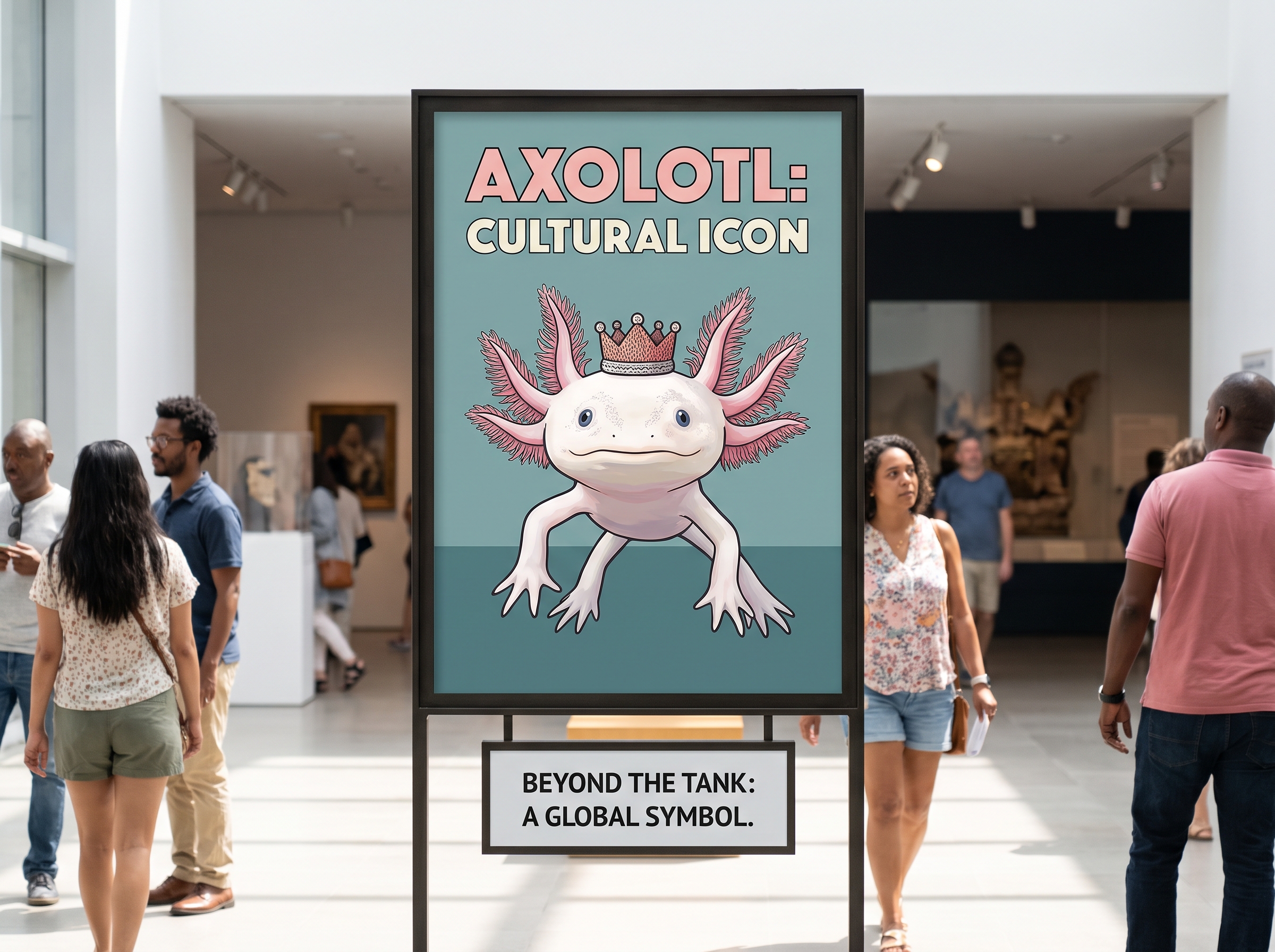
The Fascination with Axolotls in Popular Culture
The white albino axolotl has transcended its role as a mere pet and has become a cultural icon. Its unique appearance and regenerative capabilities have inspired numerous works of art, literature, and even scientific studies. The axolotl serves as a symbol of resilience and adaptability, capturing the imagination of people worldwide. Its distinctive features often lead to comparisons with mythical creatures, further enhancing its allure.
In recent years, the axolotl has gained popularity on social media platforms, where users share videos and pictures of their pets. This online presence has created a community of axolotl enthusiasts who exchange tips, stories, and advice, contributing to a growing appreciation for these remarkable amphibians. The axolotl’s quirky charm and unique biology have made it not only an interesting pet but also a subject of fascination for people of all ages.
Axolotls in Media and Art
From animated films to social media, the axolotl’s quirky appearance has made it a favorite subject for artists and creators. The playful nature of these creatures often translates into lively representations, further enhancing their popularity. As a result, they have amassed a cult following, with fans dedicated to sharing their love for these remarkable amphibians. Artists often depict axolotls in whimsical, cartoonish styles, which contribute to their endearing image.
This fascination has also led to merchandise inspired by axolotls, including plush toys, clothing, and art prints. The commercialization of the axolotl reflects its appeal as a symbol of cuteness and resilience, making it a beloved figure in pop culture. Furthermore, documentaries and educational programs featuring axolotls have contributed to raising awareness about their conservation status and the importance of protecting their natural habitats.
📖 Baca juga: Discover the Fascinating World of Wild Type Axolotls: Nature’s Unique Marvels
Scientific Research and Conservation Efforts
Due to their unique biological traits, axolotls are often used in scientific research, particularly in studies related to regeneration and genetic mutations. Researchers are investigating the molecular mechanisms that enable axolotls to regenerate lost limbs and organs, which could have significant implications for regenerative medicine in humans. This research highlights the importance of preserving axolotls, not only for their ecological role but also for their potential contributions to science.
Conservation efforts are also underway to protect their natural habitat and promote breeding programs to ensure their survival in the wild. Organizations are working to restore the ecosystems in Xochimilco and raise awareness about the threats facing axolotls. Awareness campaigns highlight the need for preserving this extraordinary species for future generations, emphasizing the importance of biodiversity and ecosystem health.
The Role of Axolotls in Education
Many educational institutions use axolotls in biology classes to teach students about amphibian biology, genetics, and conservation. Their fascinating life cycle and regenerative abilities make them an ideal subject for engaging and interactive lessons that spark interest in science and nature among young learners. Incorporating axolotls into curriculum not only provides hands-on learning experiences but also fosters a sense of stewardship for wildlife and the environment.
Students often participate in projects that involve observing the behavior and growth of axolotls, allowing them to apply scientific methods and critical thinking skills. This kind of experiential learning can inspire future generations to pursue careers in science, conservation, and advocacy, ensuring that the legacy of the axolotl continues for years to come.
Conclusion: Why You Should Consider a White Albino Axolotl
The white albino axolotl is more than just a beautiful pet; it is a remarkable creature that offers a glimpse into the wonders of nature. Their unique characteristics, fascinating biology, and cultural significance make them an excellent choice for both novice and experienced aquarium enthusiasts. By understanding their needs and providing proper care, owners can enjoy a rewarding experience with these remarkable amphibians.
If you’re considering adding a white albino axolotl to your home, be prepared to provide a suitable environment and care for this extraordinary amphibian. The commitment involved in caring for an axolotl is well worth it, as they can bring joy and fascination into your life while serving as a reminder of the beauty and complexity of the natural world. Embrace the opportunity to learn and grow alongside these incredible creatures, and you’ll find that the journey is as enriching as the destination.
Frequently Asked Questions (FAQ)
What is the lifespan of a white albino axolotl?
The lifespan of a white albino axolotl can range from 10 to 15 years in captivity with proper care and a suitable environment. Factors such as diet, water quality, and tank conditions all play a role in determining their longevity.
Are white albino axolotls friendly pets?
While axolotls are not social creatures and do not require companionship, they can be handled gently and are generally tolerant of human interaction. However, it’s essential to minimize handling to reduce stress for the axolotl, as they are more comfortable observing their environment.
Can I keep multiple axolotls together?
It is generally not recommended to keep multiple axolotls in the same tank due to territorial behavior and the potential for aggression. If you do choose to keep more than one, ensure the tank is large enough to provide adequate space for each individual, and monitor their interactions closely.
How often should I feed my white albino axolotl?
White albino axolotls should be fed 2-3 times per week, depending on their age and size. Adjust the feeding schedule based on their appetite and growth, ensuring that portions are appropriate to prevent overfeeding.