

When it comes to fascinating amphibians, axolotls and mudpuppies often steal the spotlight. Both creatures belong to the same family, yet they exhibit distinct characteristics and behaviors that set them apart. In this article, we will explore the differences between axolotls and mudpuppies, providing you with a comprehensive understanding of these unique animals.
Axolotls, known for their regenerative abilities and striking appearance, are often kept as pets and are a subject of scientific research. On the other hand, mudpuppies, with their more subdued looks and habitat preferences, play a vital role in their ecosystems. Understanding these differences can enhance your appreciation for these remarkable creatures.
Let’s dive into the world of axolotls and mudpuppies, examining their physical traits, habitats, behaviors, and conservation statuses.

Physical Characteristics of Axolotls and Mudpuppies
Distinctive Features of Axolotls
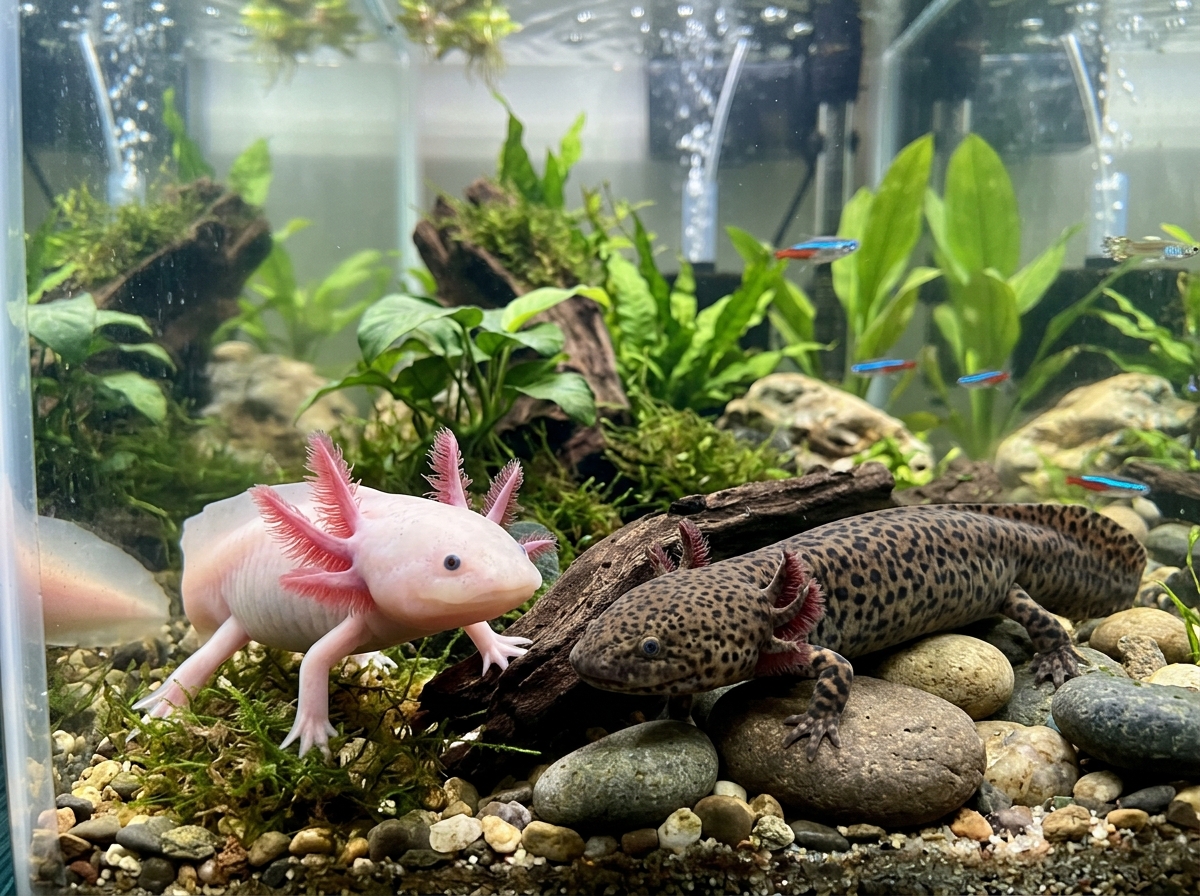
Axolotls, or Ambystoma mexicanum, are easily recognizable due to their external gills, which resemble feathery appendages on either side of their heads. These gills are not only a striking feature but also play a crucial role in respiration, allowing axolotls to absorb oxygen directly from the water. Their skin is typically smooth and can vary in color, including shades of pink, white, and black, often with darker pigmentation patterns. The variations in coloration are largely due to selective breeding in captivity, where certain traits have been enhanced for aesthetic appeal.
Adult axolotls retain their larval features, a phenomenon known as neoteny, which is quite rare among amphibians. This neotenic trait allows axolotls to live their entire lives in an aquatic environment, maintaining their juvenile characteristics while still reaching maturity. This adaptation is not just an interesting biological quirk; it has significant implications for their care in captivity and their role in scientific research, particularly in studies related to regeneration and developmental biology.
Unique Traits of Mudpuppies
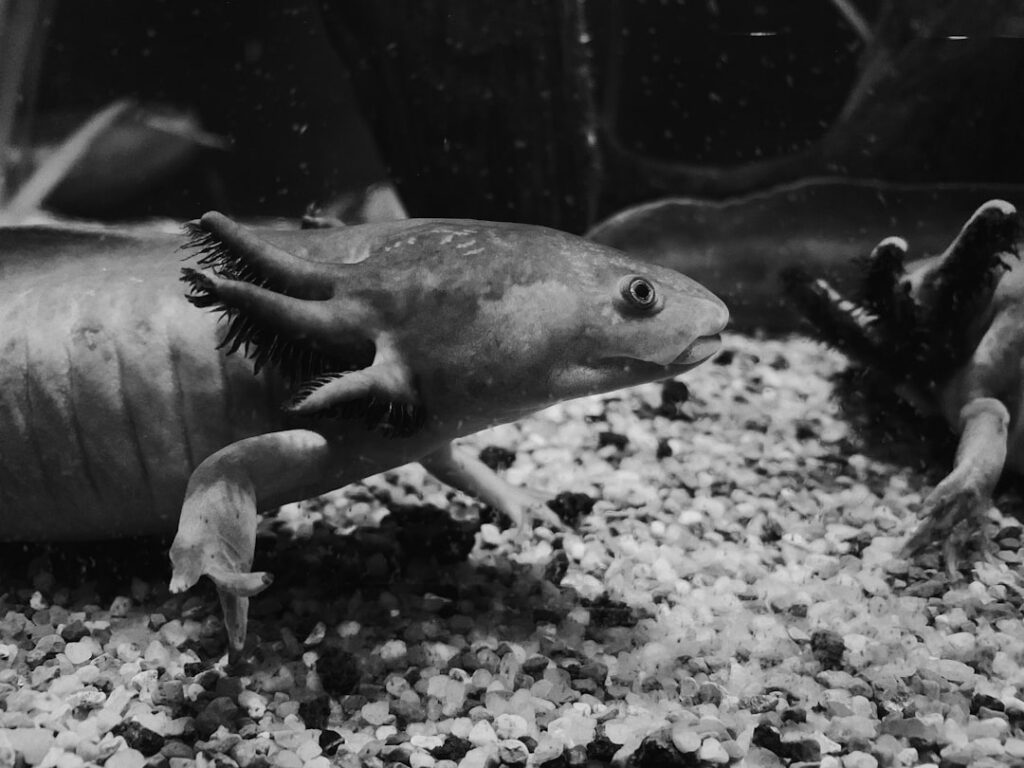
Mudpuppies, scientifically known as Necturus maculosus, possess a more robust body compared to axolotls. Their skin is generally more textured and can appear in various shades of gray or brown with darker spots, which helps them blend into their environments. This coloration serves as camouflage, protecting them from predators in their natural habitats. Unlike axolotls, mudpuppies have a more elongated body and a broader head, along with a prominent dorsal fin that runs along their back, enhancing their swimming capabilities.
Additionally, mudpuppies are equipped with a more robust set of limbs, which aid in navigating the rocky and often submerged environments they inhabit. Their limbs are strong enough to help them maneuver through debris and around obstacles, which is essential for finding food and avoiding predators. The physical adaptations of mudpuppies not only reflect their habitat preferences but also highlight their evolutionary adaptations to life in diverse aquatic ecosystems.
Size Comparison
In terms of size, axolotls can grow up to 12 inches in length, while mudpuppies tend to be slightly larger, reaching lengths of up to 15 inches. This size difference is notable when observing them in their natural habitats or in captivity. The varying sizes also influence their predatory behaviors and interactions with other species within their environments. For instance, larger mudpuppies may have access to a broader range of prey compared to smaller axolotls, which can affect their competitive dynamics.
Size can also play a role in their reproductive strategies. Generally, larger individuals may have a greater reproductive success due to their ability to store more energy for reproduction or attract mates more effectively. Understanding the implications of size on the life history of both axolotls and mudpuppies can provide deeper insights into their ecological roles and interactions.
Habitat Preferences and Distribution
Axolotls’ Natural Habitat
Native to the lake complex of Xochimilco in Mexico, axolotls thrive in freshwater environments with plenty of vegetation. They prefer calm waters where they can hide among aquatic plants and debris. These habitats are crucial for their survival, as they offer protection from predators and abundant food sources. The aquatic vegetation not only provides shelter but also supports a diverse ecosystem that includes various microorganisms and small invertebrates that axolotls feed on.
📖 Baca juga: How Long Do Axolotls Live? Discover the Secrets Behind Their Lifespan!
Unfortunately, due to urbanization and pollution, their natural habitat has been severely diminished, leading to their classification as critically endangered. The introduction of invasive species, such as tilapia and carp, has further compounded the problem by altering the balance of the ecosystem and outcompeting native species for resources. Conservation efforts are urgently needed to restore their habitats and protect the remaining populations of axolotls.
Where Mudpuppies Call Home
Mudpuppies are more adaptable in terms of habitat. They can be found in a variety of freshwater environments, including rivers, lakes, and ponds across North America. They prefer slow-moving waters with ample hiding spots, such as submerged logs and rocks, which provide essential shelter and breeding grounds. Their adaptability to different aquatic environments allows them to thrive in diverse ecological conditions, from pristine streams to more polluted waters.
Unlike axolotls, mudpuppies are not as threatened by habitat loss, although pollution still poses a risk to their populations. Their ability to inhabit a range of environments and their more robust nature in the face of ecological changes contribute to their relative stability. However, ongoing monitoring and habitat protection are crucial to ensure that mudpuppies continue to thrive in the wild.
Geographical Distribution
While axolotls are endemic to Mexico, mudpuppies have a much broader range, found in the eastern United States and parts of Canada. This difference in distribution highlights the vulnerability of axolotls compared to the more widespread mudpuppies. The limited geographical range of axolotls makes them particularly susceptible to environmental changes and human activities, such as pollution and habitat destruction.
The contrasting distributions of these two species illustrate the importance of local conservation efforts. Protecting the unique habitats of axolotls is vital not only for their survival but also for maintaining the ecological integrity of the regions they inhabit. In contrast, the broader range of mudpuppies allows for a more robust population, but it also requires ongoing environmental stewardship to ensure their habitats remain healthy.
Behavioral Differences
Feeding Habits of Axolotls
Axolotls are carnivorous and prefer a diet consisting of small insects, worms, and other aquatic creatures. They are known to be opportunistic feeders, often eating whatever is available in their environment. In captivity, they can be fed a diet of pellets, but they also enjoy live food, which mimics their natural hunting behavior. This dietary flexibility allows them to thrive in various conditions, as they can adapt their feeding habits based on food availability.
Interestingly, axolotls possess a unique method of capturing their prey. They have a suction feeding mechanism, where they rapidly expand their mouths to create a vacuum that draws in food. This feeding strategy is effective for catching small, mobile prey in the water. Understanding the feeding habits of axolotls not only highlights their role as predators in their ecosystems but also informs captive care practices to ensure they receive a balanced diet that meets their nutritional needs.
Mudpuppies’ Dietary Preferences
Mudpuppies, on the other hand, primarily feed on small fish, invertebrates, and amphibian larvae. They are nocturnal hunters, using their keen sense of smell to locate food in the murky waters where they reside. Their different feeding habits reflect their adaptation to distinct ecological niches. By being active at night, mudpuppies can avoid competition with other diurnal predators and exploit a different set of prey resources.
Their dietary habits also highlight the importance of healthy aquatic ecosystems, as mudpuppies rely on a diverse prey base. The presence of pollutants and habitat degradation can severely impact the availability of their food sources, making conservation efforts essential for maintaining their populations. Understanding the dietary needs and habits of mudpuppies can help inform habitat protection measures to ensure their long-term survival.
Social Behavior
While axolotls are generally solitary creatures, mudpuppies can sometimes be found in groups, especially during the breeding season. This social behavior may provide them with advantages in finding mates and increasing reproductive success. By congregating in certain areas, mudpuppies may enhance their chances of encountering potential mates, leading to higher reproductive rates.
📖 Baca juga: How Much Does an Axolotl Cost? Discover the Surprising Expenses of Owning One!
Additionally, social structures in mudpuppies may facilitate information sharing about food resources or environmental conditions, although further research is needed to understand the dynamics of their interactions. Examining the social behaviors of both axolotls and mudpuppies contributes to our understanding of amphibian ecology and the evolutionary advantages of different social strategies.

Conservation Status and Threats
Axolotls and Their Endangered Status
Due to habitat destruction, pollution, and invasive species, axolotls are critically endangered. Conservation efforts are underway to protect their remaining habitats and promote breeding programs in captivity. Awareness of their plight is crucial for their survival, as public interest can drive funding and research. Various organizations are actively working to restore wetlands and promote awareness of the importance of preserving the axolotl’s unique ecological niche.
Research is also focused on understanding the genetics and biology of axolotls to enhance breeding success in captivity and develop strategies for reintroduction into the wild. Public education campaigns can encourage responsible pet ownership and discourage the release of non-native species into the axolotl’s habitat, which could further exacerbate their decline.
Mudpuppies’ Stable Population
In contrast, mudpuppies are not currently considered endangered, thanks to their adaptability and wider distribution. However, they still face threats from pollution and habitat degradation. Efforts to monitor their populations and habitats are important to ensure they remain stable in the future. Conservation strategies include habitat restoration projects and pollution control measures that aim to protect the water quality in habitats where mudpuppies reside.
Awareness of the ecological role of mudpuppies can also foster community engagement in conservation efforts, encouraging local populations to participate in monitoring and protecting their habitats. Understanding the potential threats to mudpuppies is essential for developing proactive conservation measures that can prevent declines in their populations.
Conservation Efforts for Both Species
Both axolotls and mudpuppies benefit from habitat protection initiatives and public education regarding their ecological roles. Supporting conservation efforts can help ensure that future generations will have the opportunity to appreciate these remarkable amphibians. Collaborative efforts between scientists, conservationists, and local communities are vital for implementing effective strategies that address the unique challenges each species faces.
Community involvement in conservation initiatives, such as clean-up efforts in local waterways and educational outreach programs, can significantly impact the health of aquatic ecosystems. By fostering a sense of stewardship for these amphibians and their habitats, we can promote sustainable practices that ensure their survival and the overall health of their environments.
Conclusion: Understanding Axolotls and Mudpuppies
In summary, while axolotls and mudpuppies share some similarities as amphibians, they are distinct in their physical characteristics, habitats, behaviors, and conservation statuses. Axolotls are known for their striking appearance and regenerative abilities, while mudpuppies are more robust and adaptable to various environments. As we continue to learn about these fascinating creatures, it is essential to advocate for their conservation and appreciate the unique roles they play in our ecosystems.
Next time you encounter these amphibians, whether in the wild or in captivity, you’ll have a greater understanding of their differences and the importance of protecting their habitats.