

Axolotls, those enchanting aquatic creatures, have captivated the hearts of many with their unique appearance and fascinating biology. But when it comes to distinguishing between male and female axolotls, enthusiasts often find themselves puzzled. Understanding the differences between male and female axolotls is not only interesting but essential for breeding and care. In this article, we will unravel the key characteristics that set these two genders apart, helping you become a more informed axolotl keeper.
Despite their similar appearances, male and female axolotls display distinct traits that can be observed with a careful eye. From physical characteristics to behavioral differences, we will dive deep into the world of axolotls to uncover what makes each gender unique. This knowledge will empower you to take better care of your axolotls, especially if you plan to breed them.
So, let’s embark on this journey to explore the captivating world of male vs female axolotls!
Understanding Male vs Female Axolotls: Key Characteristics
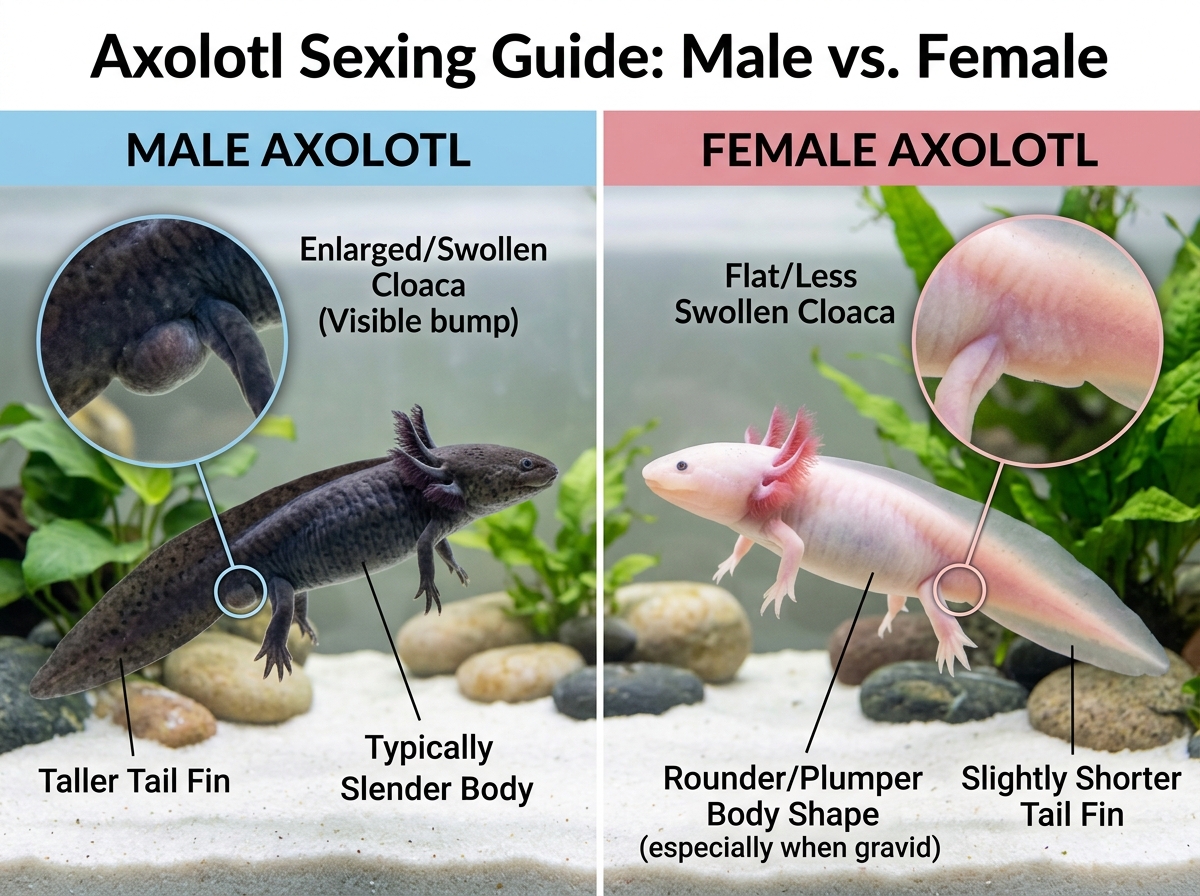
To effectively differentiate between male and female axolotls, several key factors come into play. These factors include physical features, reproductive organs, and behavioral traits observed during mating seasons. Recognizing these differences can enhance your understanding of axolotl care and breeding practices. For instance, knowing that males develop claspers and exhibit unique color variations during specific life stages can significantly aid hobbyists in their care routines.
Knowing how to identify male and female axolotls is crucial, especially if you’re considering breeding them or simply want to provide the best possible care for your pets. Here are some of the primary distinctions between the two genders, which can help clarify their roles in both the aquarium and breeding contexts:
Body Shape Differences in Male vs Female Axolotls
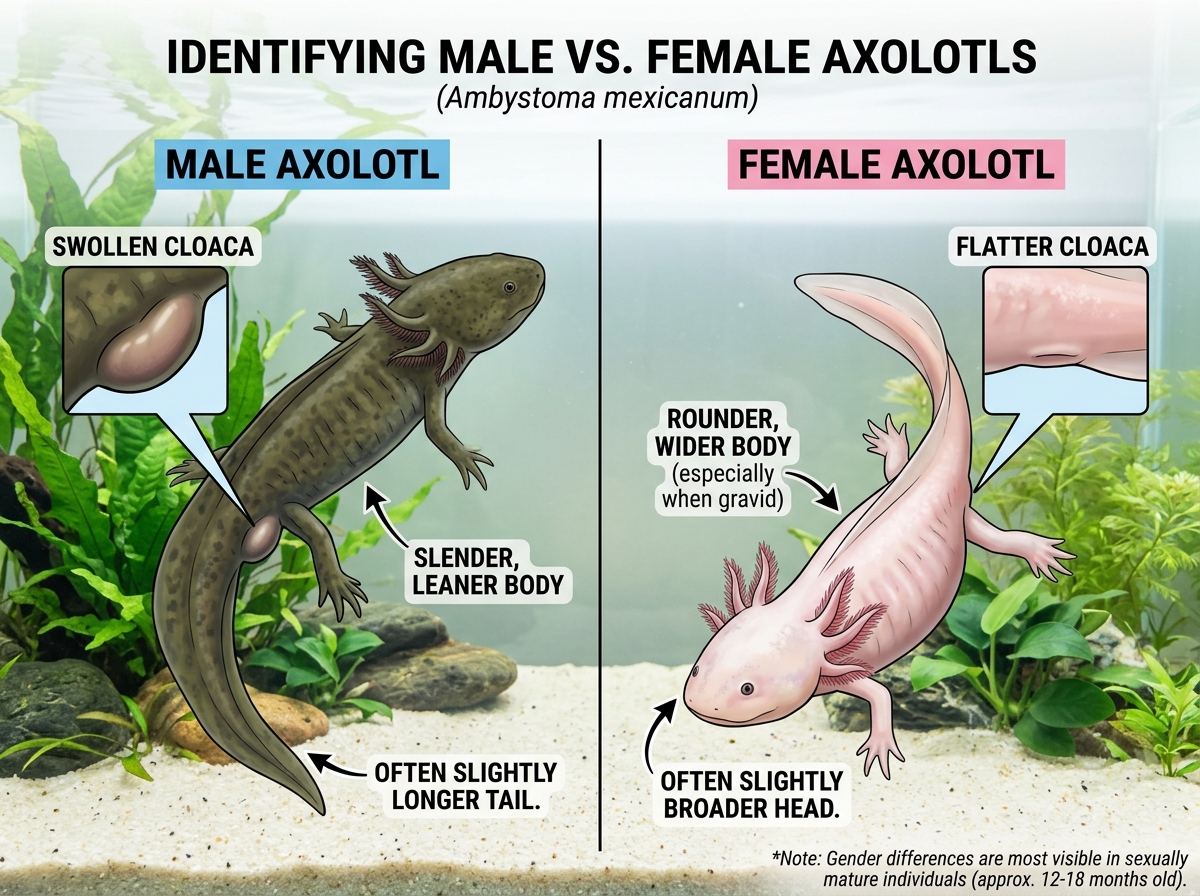
One of the most noticeable differences between male and female axolotls is their body shape. Male axolotls tend to have a slimmer and more elongated body compared to their female counterparts, who exhibit a rounder and bulkier figure, especially when they are ready to breed. This difference is particularly pronounced during the breeding season when females develop more noticeable body girth due to egg production. The ability to observe these changes can be crucial for breeders looking to time breeding correctly.
Additionally, the difference in body shape can affect how each gender interacts in their habitat. Males, with their slimmer build, may be more agile swimmers, allowing them to perform the energetic courtship rituals that are critical during mating. In contrast, the bulkier females may focus on finding secure spots for laying eggs, reflecting their role in the breeding process. This understanding of body shape not only aids in gender identification but also provides insights into their behaviors and needs.
Claspers as Identification of Male Axolotls
An important physical characteristic unique to male axolotls is the presence of claspers. These are small, finger-like projections found on the males’ cloacal region, which are used during mating to grasp the female. In contrast, females do not have these claspers. This feature becomes apparent as the axolotls reach sexual maturity, usually around 6 months of age. Observing these claspers can be a straightforward method for both novice and experienced axolotl keepers to determine gender.
Moreover, the development of claspers can vary among individuals and can sometimes be influenced by environmental factors such as water temperature and diet. Therefore, it’s essential for axolotl owners to monitor their pets closely during their growth stages. Understanding the significance of claspers and how they function during mating can enhance a keeper’s knowledge and help them facilitate successful breeding practices.
Coloration Variations in Male vs Female Axolotls
While coloration can vary widely among axolotls, some subtle differences may help in identifying gender. Male axolotls often have brighter and more vibrant colors compared to females, especially during the breeding season. Females may exhibit more muted tones, which can be a natural adaptation for camouflage when they are nesting. This variation in coloration not only serves aesthetic purposes but also plays a role in mate selection during breeding.
Research has indicated that coloration can also be influenced by factors such as diet, age, and health. For instance, a well-nourished male might display more vivid colors, making it more attractive to potential mates. Understanding these nuances can help axolotl keepers provide better care, ensuring that their pets are healthy and their colors are vibrant. This aspect of coloration also ties into the broader ecological dynamics of axolotls, showcasing how their appearance can affect their interactions in the wild.
Behavioral Traits to Observe in Male vs Female Axolotls
Behavioral differences between male and female axolotls also play a crucial role in identification. During the breeding season, males are typically more active and display specific courtship behaviors aimed at attracting females. Understanding these behaviors can provide insights into their gender. Additionally, observing these traits can enhance your overall experience as an axolotl keeper, as it allows you to appreciate their unique personalities.
Paying attention to how your axolotls interact with each other can give you clues about their gender. Here are some notable behavioral traits to observe that can help distinguish male vs female axolotls:
 📖 Read also:
The Fascinating Dance: Male Axolotls Chasing Females Explained
Mating Rituals of Male Axolotls
During the breeding season, male axolotls engage in elaborate courtship displays, which may include swimming in circles, nudging the female, and attempting to lead her to suitable breeding spots. This behavior is designed to entice the female to mate. Observing these rituals can help you confirm the presence of a male axolotl in your aquarium. Males may even display a range of colors during this time, further emphasizing their readiness to breed.
Understanding these mating rituals can also provide insights into the health and readiness of your axolotls. For example, if a male is not displaying typical courtship behaviors, it may indicate stress or health issues. Recognizing these signs early can help you take proactive measures to ensure the well-being of your axolotls. This knowledge can deepen your connection with these fascinating creatures.
Territorial Behavior of Male Axolotls
Male axolotls can also exhibit territorial behavior, especially when competing for the attention of a female. You may observe them being more aggressive towards other males, establishing dominance through posturing and chasing. In contrast, females tend to be more passive and may avoid confrontation. This difference in behavior can be particularly important to observe in a communal tank setting, where multiple axolotls are housed together.
Understanding territorial behavior not only aids in gender identification but also helps in managing tank dynamics. For instance, if you notice a male displaying excessive aggression, it may be necessary to separate him from other males to reduce stress and potential injury. Observing these behaviors can provide insights into their social structures and interactions, enriching your experience as an axolotl keeper.
Feeding Patterns of Male vs Female Axolotls
Another behavioral aspect to consider is the feeding patterns of male and female axolotls. Males may exhibit more vigorous feeding behavior, especially when competing for food during the breeding season. In contrast, females may eat more cautiously, particularly when they are carrying eggs. This difference in feeding behavior can impact their overall health and growth rates.
Providing a balanced diet and monitoring their feeding habits can help ensure that both male and female axolotls thrive in your care. For instance, if you notice a female becoming less active or refusing food, it could indicate that she is preparing to lay eggs. Understanding these feeding patterns can also help you tailor their diet to meet their specific needs, promoting better health and vitality.
Breeding Considerations for Male vs Female Axolotls
If you’re interested in breeding axolotls, understanding the differences between males and females becomes paramount. Successful breeding requires careful observation and management of both genders to ensure a healthy and productive mating process. Recognizing the unique characteristics of each gender can significantly enhance your breeding efforts.
Here are some essential tips for breeding male and female axolotls, considering their differences:
Creating a Suitable Environment for Breeding
To facilitate successful breeding, it’s crucial to create an environment conducive to mating. This includes maintaining optimal water conditions, providing hiding spots, and ensuring a stress-free habitat. Consider adding plants or structures where the female can lay her eggs safely. The tank setup should mimic their natural habitat as closely as possible, as this can reduce stress and encourage breeding behavior.
Additionally, ensuring that the water quality remains high is vital during the breeding process. Regular water changes and monitoring of parameters such as pH and temperature can help create an ideal environment for both male and female axolotls. A suitable environment not only supports successful breeding but also promotes the overall health and well-being of your axolotls.
Monitoring Health and Nutrition of Axolotls
Ensuring both male and female axolotls are in good health is vital for breeding success. Provide a balanced diet rich in nutrients to promote healthy egg production in females and vigorous mating behavior in males. Regular water changes and monitoring of water parameters will also contribute to their overall health. Understanding the dietary needs of each gender can help you tailor their nutrition effectively.
Moreover, monitoring their health during the breeding season is crucial. Any signs of illness or stress can impact breeding success. For example, if a female appears lethargic or refuses to eat, it may affect her ability to produce eggs. Being attentive to their health and making necessary adjustments can greatly enhance your chances of successful breeding.
 📖 Read also:
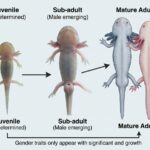
Unlocking the Secrets: How to Tell Axolotl Gender with Ease
Recognizing Breeding Signs in Male vs Female Axolotls
Familiarize yourself with the signs of readiness for breeding in both males and females. Males will become more active, and females will show increased girth as they prepare to lay eggs. Timing your breeding efforts around these signs can greatly enhance your chances of success. Understanding these signals can also help you anticipate the best times for breeding and ensure that both genders are ready.
Additionally, observing changes in behavior and physical appearance during the breeding season can provide valuable insights. For instance, if a female appears to be bulging with eggs, it may be time to provide her with appropriate nesting sites. Being proactive and responsive to these signs can greatly enhance your breeding experience and overall success.
In conclusion, understanding the differences between male vs female axolotl is not only fascinating but essential for anyone interested in keeping or breeding these unique creatures. By observing their physical traits, behaviors, and needs, you can ensure that your axolotls thrive in a healthy and stimulating environment.
Whether you are a seasoned axolotl keeper or a newcomer to the hobby, this knowledge will empower you to make informed decisions about their care and breeding.
Conclusion: Distinct Traits of Male vs Female Axolotls
In summary, male and female axolotls exhibit distinct physical and behavioral characteristics that can help you identify their gender. From body shape and coloration to mating behaviors, these differences are crucial for anyone looking to breed or care for axolotls. By understanding these traits, you can provide a better environment for your aquatic friends and ensure their well-being. The insights gained from observing male vs female axolotls can enrich your experience and help foster a deeper appreciation for these remarkable creatures.
Frequently Asked Questions (FAQ)
How can I tell if my axolotl is male or female?
You can distinguish male axolotls by their slimmer body shape and the presence of claspers, while females are bulkier and lack claspers.
At what age can axolotls be sexed?
Axolotls can typically be sexed around 6 months of age when their physical characteristics become more pronounced.
Do male and female axolotls behave differently?
Yes, males are usually more active and exhibit courtship behaviors during mating season, while females are more passive and focused on nesting.
Can axolotls change gender?
No, axolotls are not known to change gender. Their sex is determined genetically and remains fixed throughout their lives.