
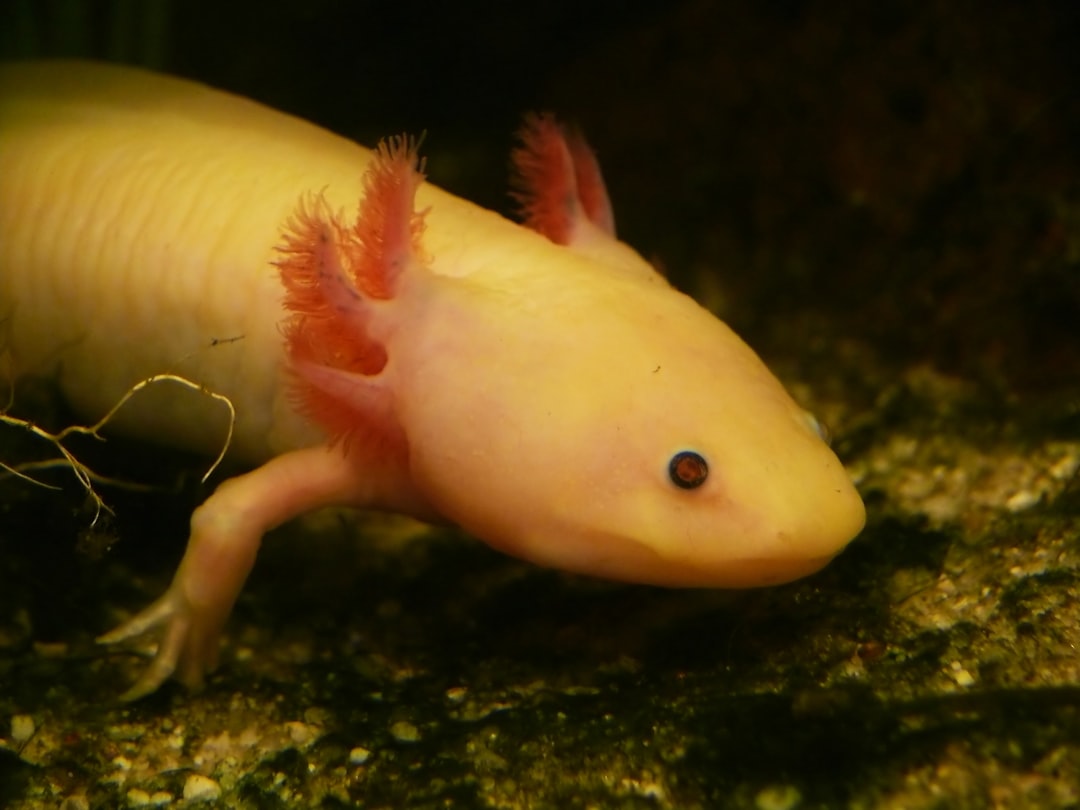
Axolotls are fascinating aquatic creatures that require specific care to thrive, and one of the most critical aspects of their care is maintaining clean water. Understanding how often to change axolotl water is essential for their health and well-being. In this guide, we’ll explore the best practices for water changes to ensure your axolotl remains happy and healthy.
Many new axolotl owners often wonder about the frequency of water changes. The answer can vary based on several factors, including tank size, filtration system, and the number of axolotls you have. Regular water changes help to remove toxins, maintain water quality, and provide a safe environment for your aquatic friend. Understanding these factors can empower you to make informed decisions about your axolotl’s living conditions.
In this article, we will cover everything you need to know about changing axolotl water efficiently and effectively, including a detailed breakdown of how often you should do it.
Understanding Axolotl Water Needs
Before diving into the specifics of water change frequency, it’s important to understand why clean water is vital for axolotls. Axolotls are sensitive to water quality, and poor water conditions can lead to stress, illness, and even death. They produce waste that can accumulate quickly in the tank, especially if they are in a smaller environment. The presence of toxins such as ammonia, nitrite, and nitrate can create an unhealthy habitat, leading to behavioral changes in your axolotl.
Monitoring parameters such as ammonia, nitrite, and nitrate levels in the water are crucial. Ideally, ammonia and nitrite levels should always be at 0, while nitrates should be kept under 20 ppm. Regular changes help maintain these levels, ensuring a healthy habitat for your axolotl. Additionally, it’s beneficial to invest in a reliable water testing kit to keep track of these parameters consistently. This proactive approach can help you catch potential problems before they escalate into serious health issues for your axolotl.
Now, let’s explore the recommended frequency of water changes based on different tank setups. Each size tank has unique characteristics that influence the water change schedule, so understanding these can help you provide the best care for your pet.
How Often to Change Axolotl Water
Changing axolotl water depends largely on the size of your tank and the filtration system in place. Here are some general guidelines to follow for effective water management:
Weekly Water Changes for Smaller Tanks
If you have a smaller tank (10-20 gallons), it is advisable to change 20-30% of the water weekly. Smaller tanks can accumulate waste more quickly, making frequent changes necessary to maintain water quality. In these compact environments, toxins can build up rapidly, which may lead to stress or health issues for your axolotl. Therefore, adhering to a weekly schedule is crucial to prevent any adverse effects.
Moreover, implementing regular cleaning routines, such as vacuuming the substrate during water changes, can enhance the overall water quality. This practice not only helps remove visible waste but also decreases the organic matter that contributes to deteriorating water conditions. Additionally, consider the bio-load in your tank; if you have more than one axolotl or other aquatic life, you may need to adjust your water change schedule accordingly.
Bi-Weekly Changes for Medium Tanks
For medium-sized tanks (20-40 gallons), consider changing 20% of the water every two weeks. This frequency is usually sufficient to keep toxins at bay while ensuring a stable environment. Medium-sized tanks provide a more balanced ecosystem, but they still require regular maintenance to ensure optimal living conditions for your axolotl.
In these tanks, it’s also essential to monitor the filtration system you are using. A good filtration system can significantly reduce the frequency of water changes needed by breaking down harmful substances. However, even with a high-quality filter, regular testing of water parameters is important. If you notice any fluctuations in ammonia or nitrite levels, it may be necessary to increase the frequency of your water changes temporarily.
Monthly Changes for Larger Tanks
If your axolotl resides in a larger tank (40 gallons and above), you can change 20-25% of the water once a month. Larger tanks have a greater volume of water, which can help dilute waste products, though regular monitoring is still essential. While the larger volume provides some leeway in terms of water quality, it’s vital to remain vigilant about maintaining stable conditions.
 📖 Read also:
7 Essential Tips for Water Changes for Axolotl to Ensure Their Thriving Health
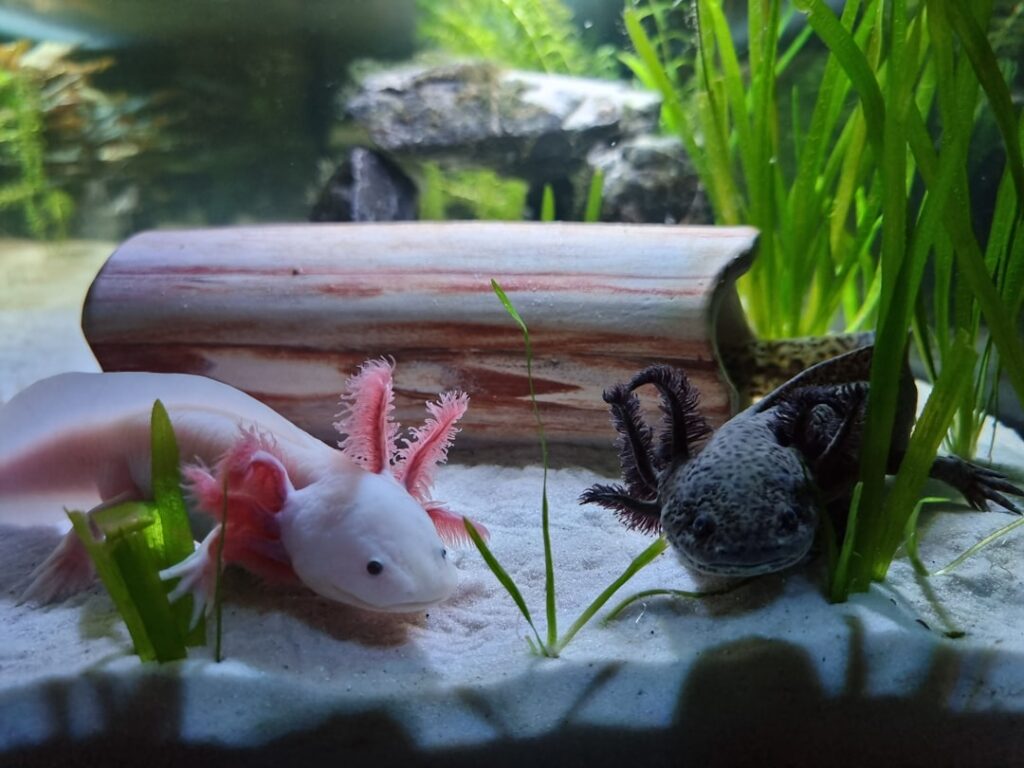
Additionally, larger tanks often house more complex ecosystems, which can include various plants and other aquatic creatures. These components can contribute to a healthier environment, but they also require careful balancing. For instance, live plants can assist in reducing nitrate levels; therefore, their presence may allow you to extend the time between water changes. Nevertheless, keeping an eye on the overall tank dynamics is crucial to catch any signs of imbalance early.
In addition to scheduled water changes, always keep an eye on water parameters. If you notice any spikes in ammonia or nitrites, perform an immediate water change, regardless of your schedule. Staying proactive in monitoring your tank can make a significant difference in your axolotl’s health and longevity.
Tips for Changing Axolotl Water Effectively
Changing the water in your axolotl tank can be a simple process if done correctly. Here are some tips to make water changes more effective:
Use Dechlorinated Water
Always use dechlorinated water when filling the tank after a water change. Chlorine and chloramines found in tap water can harm your axolotl. Use a water conditioner to remove these harmful substances. The impact of chlorine on aquatic life can be severe, leading to respiratory issues and other health complications. Therefore, taking this precaution is crucial for your axolotl’s well-being.
Be sure to follow the instructions on your water conditioner carefully to ensure effective dechlorination. Some conditioners work instantly, while others may require a waiting period. It’s advisable to prepare your water in advance to avoid any last-minute issues. Furthermore, consider using aged water that has been sitting for 24-48 hours, allowing chlorine to dissipate naturally if you don’t have a conditioner on hand.
Temperature Match
Ensure that the new water is the same temperature as the tank water to prevent shock. Sudden changes in temperature can stress your axolotl, so using a thermometer to match temperatures is a good practice. Axolotls thrive in cooler water, typically between 60-68°F (15-20°C), so make sure the new water falls within this range to prevent thermal shock.
To make temperature matching easier, consider using a heater or chiller for the tank, especially if you live in an area with fluctuating temperatures. Additionally, you can gradually introduce the new water to the tank instead of adding it all at once, which helps in reducing temperature discrepancies.
Avoid Over-Cleaning
While it’s important to keep the tank clean, avoid over-cleaning decorations or substrate, as this can disrupt beneficial bacteria that help maintain water quality. A gentle rinse with tank water is usually sufficient. These beneficial bacteria play a crucial role in the nitrogen cycle, breaking down waste products and converting them into less harmful substances.
Cleaning should focus on areas with visible waste, but a light touch is essential. Overzealous cleaning can lead to spikes in ammonia levels, as the beneficial bacteria may be significantly reduced. Instead, consider a regular cleaning schedule that allows for consistent maintenance without compromising the tank’s biological filter.
Signs Your Axolotl Needs More Frequent Water Changes
Sometimes, despite following a routine, your axolotl may show signs that indicate changes are needed. Here are some signs to watch out for:
Increased Aggressiveness
If your axolotl shows signs of aggression or stress, it may be a sign that the water quality is poor. This could be due to high levels of ammonia or nitrite, requiring an immediate water change. Stress can manifest in various ways, including aggressive behavior towards tank mates or increased hiding.
Monitoring your axolotl’s demeanor is crucial. If behavioral changes are noted, conduct a thorough water test to evaluate the conditions. Immediate correction is necessary to restore a healthy environment. Remember, a stressed axolotl is more susceptible to disease, making it imperative to act quickly.
 📖 Read also:
Discover How Axolotls Change Color Over Time: A Fascinating Journey

Visible Waste Buildup
Observe the tank for any visible waste buildup. If you notice an accumulation of waste, it’s time for a water change, even if it hasn’t reached your scheduled time. Waste can quickly lead to toxic spikes if left unattended, so being proactive in addressing this issue is vital.
Additionally, consider the presence of uneaten food or decaying plant matter, as these can also contribute to deteriorating water quality. Regular observation and a clean-up routine can help maintain a healthy tank environment for your axolotl.
Changes in Behavior
Changes in your axolotl’s behavior, such as lethargy, hiding more than usual, or loss of appetite, can indicate poor water quality. Conduct a water test and change the water if necessary. Behavioral signs can often be the first indicators of underlying issues, so remain vigilant.
Furthermore, if you observe any physical symptoms, such as unusual lesions or discoloration, these may also correlate with water quality issues. Quick intervention is key to ensuring your axolotl’s health and well-being.
Conclusion
Maintaining clean water is crucial for the health of your axolotl. By understanding how often to change axolotl water and following the guidelines provided, you can create a safe and thriving environment for your pet. Regular monitoring and adjustments based on tank size and water parameters will ensure your axolotl remains healthy and happy for years to come.
As you become more experienced in axolotl care, you may find that you develop a feel for the right balance in your tank. Each axolotl is unique, and their needs may vary slightly based on their individual circumstances. Always be prepared to adapt your care routine as necessary and consult with professionals or experienced axolotl owners if you encounter challenges.
Ultimately, the key to successful axolotl care lies in your commitment to providing a clean and stable environment. With the right knowledge and practices in place, your axolotl will thrive and bring joy to your life.
Frequently Asked Questions (FAQ)
How often should I change my axolotl’s water?
You should change the water based on tank size: weekly for small tanks, bi-weekly for medium tanks, and monthly for large tanks.
Can I use tap water for my axolotl?
Tap water can be used, but it must be dechlorinated to remove harmful chemicals. Always use a water conditioner.
What should I do if my axolotl shows signs of stress?
If your axolotl shows signs of stress, check the water parameters immediately and consider doing a water change if necessary.
Is it necessary to clean the substrate during water changes?
While cleaning the substrate can help, avoid over-cleaning as it may disrupt beneficial bacteria. A gentle rinse is usually sufficient.