

Axolotls are captivating creatures known for their unique ability to regenerate limbs and their adorable, smiley faces. One of the most intriguing aspects of these aquatic salamanders is their reproductive habits, particularly the number of eggs they lay. Understanding the egg-laying process of axolotls can provide insights into their biology and care, especially for enthusiasts and researchers alike.
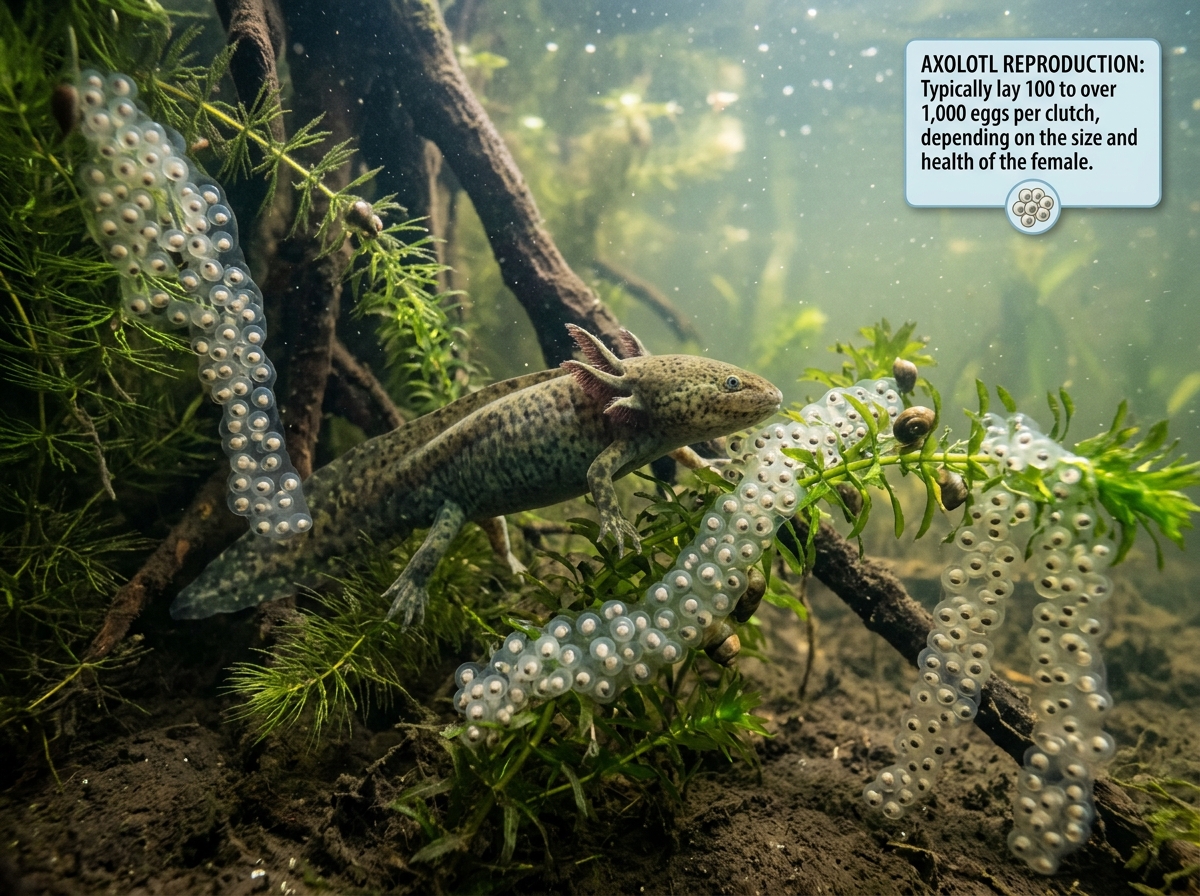
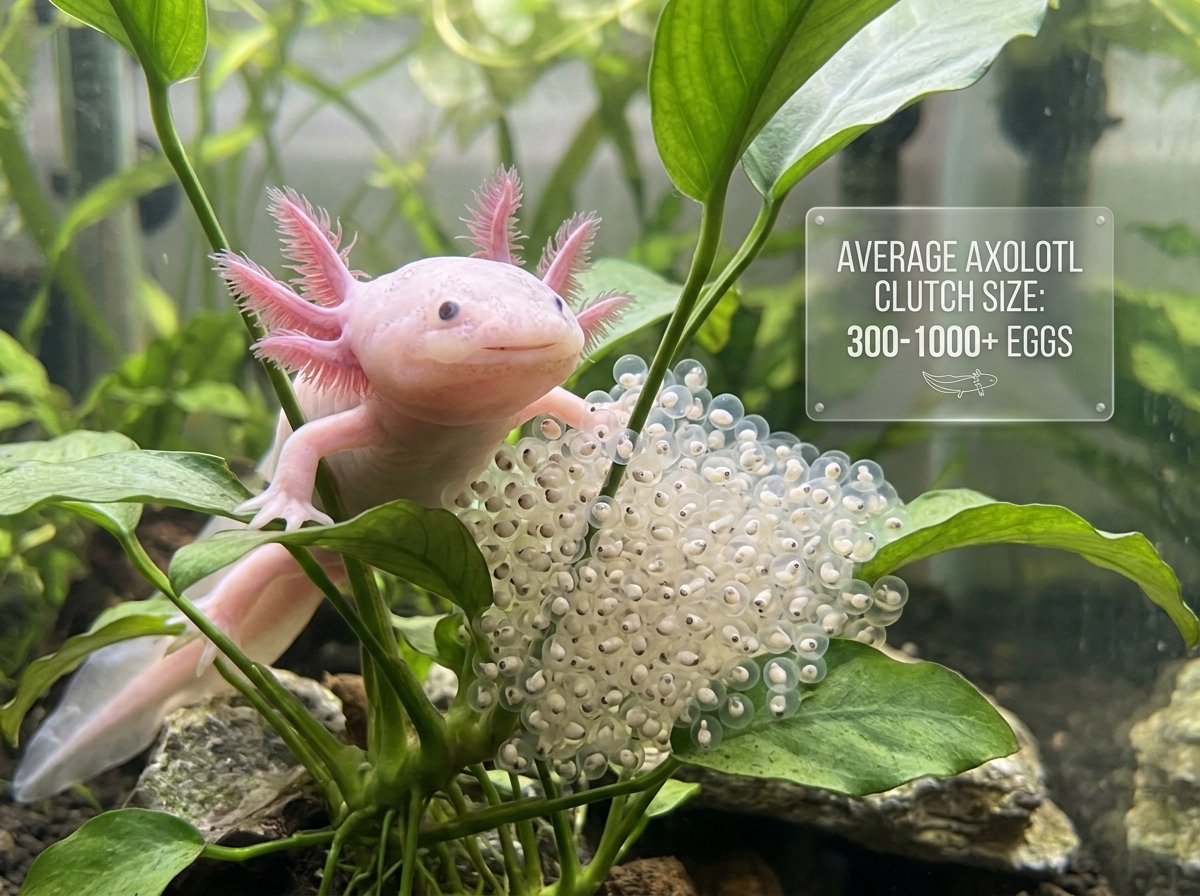
Axolotls typically lay a significant number of eggs during their breeding season. In fact, a single female axolotl can produce anywhere from 100 to 1,000 eggs at a time! This wide range is influenced by several factors, including the age and health of the female, as well as environmental conditions. Let’s delve deeper into this fascinating topic.
How Many Eggs Do Axolotls Lay?
When it comes to the reproductive habits of axolotls, there are several key points to consider. The number of eggs laid can vary greatly, and understanding this can help in managing their breeding in captivity. Most importantly, knowing the potential egg count is essential for breeders to prepare appropriate habitats and food resources for the hatchlings. In some cases, breeders have reported a female laying over 1,000 eggs, showcasing the prolific nature of these unique amphibians.
The breeding season typically occurs in the spring and can last several months. The variability in egg production often correlates with the female axolotl’s condition and environmental factors. For instance, during optimal conditions, a healthy female may produce more eggs compared to those kept in less favorable environments. Additionally, the male axolotl’s health and readiness to mate can also play a role in the overall success of reproduction.
Factors Influencing Egg Production
The number of eggs an axolotl lays can be influenced by several factors:
- Age: Older females tend to produce more eggs compared to younger ones. A mature axolotl is more likely to have a higher egg count because they have undergone multiple breeding cycles, allowing them to develop larger and more viable egg batches.
- Health: A healthy female axolotl in good condition will generally produce more eggs than one that is stressed or ill. Factors such as diet, water quality, and overall habitat conditions can significantly affect the health of the female, thereby influencing egg production.
- Environmental Conditions: Factors such as water temperature, pH levels, and the presence of suitable breeding sites can also impact egg production. For example, axolotls thrive in cooler water temperatures, and optimal conditions can encourage higher reproductive rates. Moreover, providing suitable surfaces for egg attachment, like plants or structures in the aquarium, can facilitate successful mating.
Understanding these factors is crucial for anyone interested in breeding axolotls, whether for research or as a hobby. By creating ideal conditions and monitoring the health of the axolotls, breeders can significantly enhance the egg-laying process and subsequent hatchling survival.
The Breeding Process
The breeding process of axolotls is quite fascinating. During mating, the male axolotl will perform a courtship dance, attempting to entice the female to mate. This courtship behavior often includes elaborate movements where the male swims in circles around the female and may nudge her to stimulate her interest. If the female is receptive, she will follow the male, leading to successful mating.
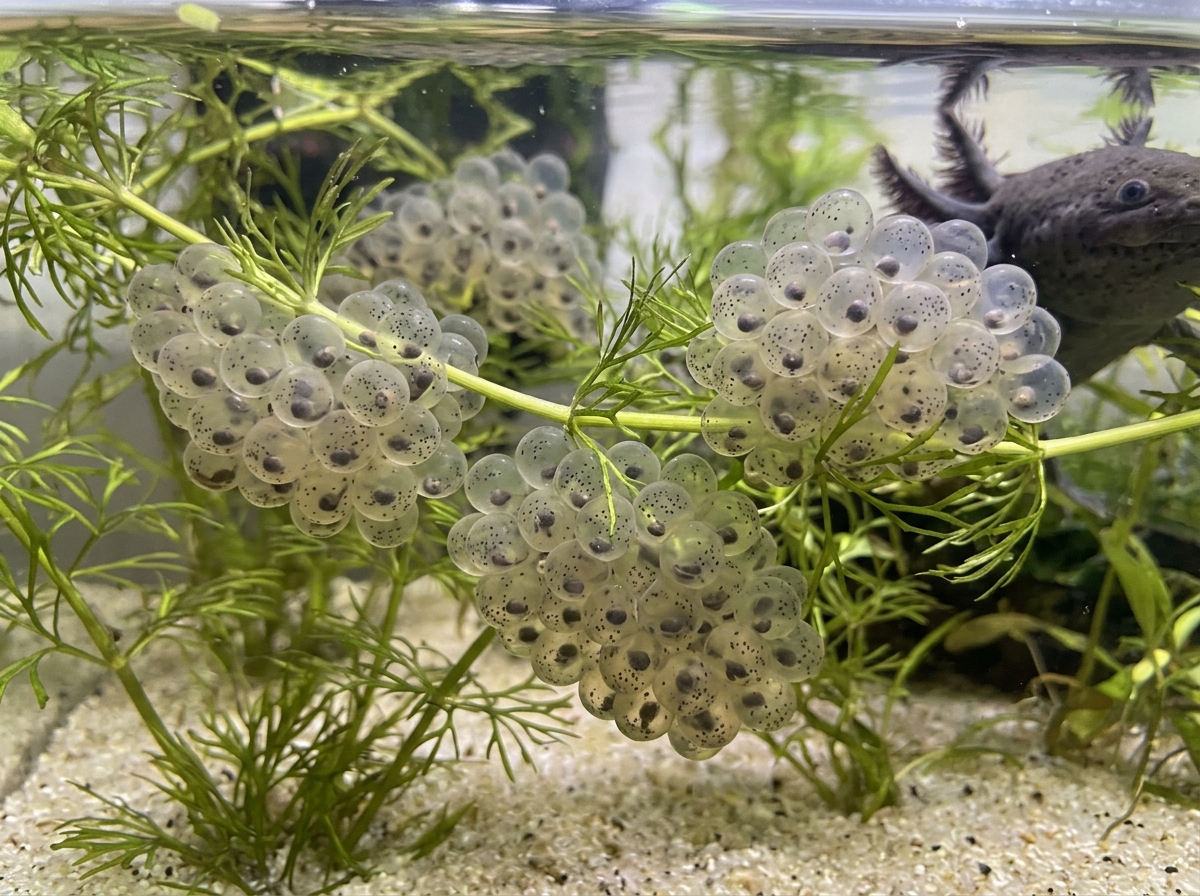
After successful mating, the female will lay her eggs in clumps, often attaching them to plants or other surfaces in the aquarium. The eggs are typically transparent, allowing observers to see the developing embryos inside. This transparency is a unique feature that makes monitoring their growth easier for aquarists. The eggs are usually laid in clusters of 20 to 50, and the entire process can take several hours, during which the female will continue to deposit eggs. After laying the eggs, it usually takes about two weeks for the eggs to hatch, depending on environmental conditions such as temperature and water quality.
 📖 Read also:
Unlocking the Secrets of Axolotl Egg Laying Behavior
Post-Egg Laying Care
Once the eggs are laid, it is essential to provide the right care to ensure the survival of the hatchlings. Here are some tips on how to care for axolotl eggs:
- Maintain Optimal Conditions: Ensure that the water temperature is stable, ideally between 16-20°C (60-68°F), and that the water quality is high to prevent diseases. Regular water changes and filtration are crucial to maintaining a healthy environment for the developing embryos.
- Minimize Disturbance: Avoid disturbing the eggs or the area where they are laid to prevent stress to the developing embryos. This means limiting tank maintenance and ensuring that other fish or tank inhabitants do not pose a threat to the eggs.
- Feed the Hatchlings: Once the eggs hatch, the larvae will need appropriate food, such as baby brine shrimp or specialized fry food, to thrive. It’s essential to begin feeding them soon after hatching, as they are highly dependent on external food sources for growth and development.
Providing the right environment and care can significantly increase the survival rate of axolotl hatchlings. Many breeders also recommend separating the hatchlings into different tanks to reduce competition for food and space, which can further enhance their chances of survival.
Interesting Facts About Axolotl Eggs
In addition to the number of eggs they lay, there are several other interesting facts about axolotl eggs that might surprise you. These facts not only highlight the uniqueness of axolotls but also their adaptability as a species.
Egg Appearance
Axolotl eggs are distinctive in appearance. They are typically laid in gelatinous masses, which can be mistaken for small jelly-like blobs. This gelatinous coating helps protect the eggs from predators and provides some moisture as they develop. The eggs are usually about 1-2 mm in diameter, making them relatively small compared to the size of the adult axolotls.
The translucent nature of the eggs allows for easy observation of the developing embryos, which can be a fascinating experience for aquarists and researchers. As the embryos grow, they develop visible features, such as the formation of gills and limb buds, which can be monitored through the egg casing. This visual aspect of axolotl reproduction makes them a popular subject for both educational and scientific purposes.
Development Timeline
The development timeline of axolotl eggs is relatively short compared to other amphibians. The eggs will hatch in about 10 to 14 days, and the larvae are fully formed upon hatching, ready to swim and feed almost immediately. This rapid development is advantageous in their natural habitat, where conditions can change quickly.
After hatching, the larvae will undergo a series of growth stages before reaching maturity. They are initially very small and will rely on yolk reserves for the first few days of life. As they grow, they will require a diet rich in proteins to support their rapid development. Within a few weeks, the larvae will begin to develop their characteristic external gills and will start to resemble adult axolotls.
Survival Rates
While axolotls can lay hundreds to thousands of eggs, not all of them will survive to adulthood. Various factors, including predation, water quality, and disease, can impact survival rates. In the wild, many eggs are consumed by other aquatic animals or may succumb to environmental stresses. It’s essential to create a safe and healthy environment to maximize the chances of survival for these fascinating creatures.
 📖 Read also:
The Fascinating Behavior of Axolotls Guarding Their Eggs
In captivity, the survival rate can be improved significantly with proper care and attention. Breeders often implement strategies such as careful monitoring of water quality, providing adequate food, and maintaining optimal tank conditions to ensure a higher survival rate of both eggs and hatchlings. Education on the lifecycle of axolotls can also empower hobbyists and researchers to take better care of these unique amphibians.
Conclusion
In summary, axolotls lay a remarkable number of eggs, typically ranging between 100 to 1,000. The factors influencing this number include the age and health of the female, as well as environmental conditions. Understanding the breeding process and how to care for the eggs and hatchlings is crucial for anyone interested in these unique amphibians. With proper care and conditions, axolotls can thrive, making them a rewarding species to keep and study. The journey from egg to adult is not only a testament to their resilience but also a fascinating aspect of their biology that captivates many enthusiasts.
Frequently Asked Questions (FAQ)
How many eggs can a single axolotl lay at once?
A female axolotl can lay between 100 to 1,000 eggs during a single breeding season.
What do axolotl eggs look like?
Axolotl eggs are typically transparent and laid in gelatinous masses, which can be mistaken for small jelly-like blobs.
How long does it take for axolotl eggs to hatch?
It usually takes about 10 to 14 days for axolotl eggs to hatch, depending on environmental conditions.
What should I do after axolotl eggs hatch?
After hatching, it’s essential to provide proper care and food for the larvae, such as baby brine shrimp, to ensure their survival.