

The axolotl, a remarkable aquatic salamander native to Mexico, has captured the attention of scientists and researchers worldwide. Its unique regenerative abilities and genetic characteristics make it a valuable subject for various scientific studies. This article delves into the multifaceted uses of axolotl in scientific research, highlighting its contributions to understanding regeneration, genetics, and potential medical applications.
As researchers continue to explore the potential of axolotls, they uncover insights that could revolutionize fields such as regenerative medicine and genetics. The axolotl’s ability to regrow limbs, spinal cords, and even parts of its heart poses intriguing questions about the mechanisms of regeneration. Let’s explore some of the primary areas where axolotl is making significant impacts in scientific research.
Key Uses of Axolotl in Scientific Research
Axolotls are being studied for their extraordinary capabilities, leading to a variety of research applications. Here are some key areas where axolotls are making waves in scientific research:
One of the most significant areas of research focuses on the regenerative properties of axolotls, which can regenerate limbs, spinal cords, heart tissues, and even parts of their brain. This exceptional ability has made axolotls a model organism for understanding the biological processes involved in regeneration. Researchers are experimenting with various conditions that affect regeneration, such as the role of specific proteins and growth factors, to elucidate the mechanisms that underlie these processes. The insights gained could pave the way for breakthroughs in regenerative medicine, potentially allowing for the regrowth of damaged tissues in humans.
Additionally, axolotls are being utilized in studies related to developmental biology. For instance, their transparent embryos allow scientists to observe developmental stages in real time, providing valuable information about cell differentiation and organogenesis. This direct observation can lead to a better understanding of congenital disorders and potential therapeutic interventions.
Understanding Regeneration Mechanisms
The axolotl’s most celebrated feature is its ability to regenerate lost body parts. This regenerative process involves complex cellular and molecular mechanisms that scientists are keen to understand. By studying axolotls, researchers can identify the genes and pathways involved in regeneration. This knowledge could provide insights into how humans might enhance their own healing processes.
For instance, studies have shown that when an axolotl loses a limb, cells at the injury site dedifferentiate and form a blastema, a mass of cells capable of growth and regeneration. These cells then proliferate and differentiate into various tissue types, effectively reconstructing the limb. Understanding this process at the molecular level could lead to breakthroughs in regenerative medicine, potentially allowing humans to regenerate tissues or organs that are damaged.
Moreover, the study of axolotl regeneration offers insights into the immune response during the healing process. Unlike mammals, axolotls do not form scar tissue; instead, they regenerate functional tissues. Researchers are investigating the role of immune cells in this process to determine how they contribute to regeneration, which could inform strategies to improve wound healing in humans.
Genetic Studies and Evolutionary Insights
Axolotls exhibit a phenomenon known as neoteny, where they retain juvenile features throughout their adult life. This characteristic provides a unique opportunity to study evolutionary biology and genetics. Researchers are examining the axolotl genome to uncover the genetic basis for neoteny and regeneration.
 📖 Read also:
7 Fascinating Facts About Why Axolotls Stay Young Forever
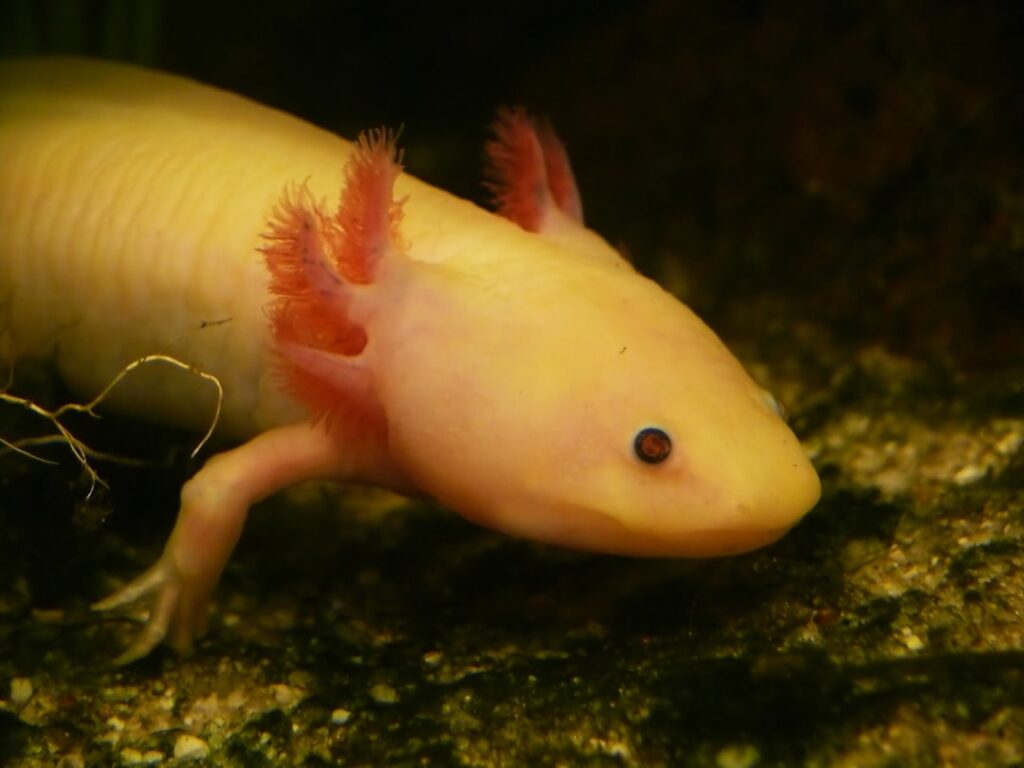
Genetic studies have identified several key genes associated with limb regeneration, such as the msx and fgf families. By comparing the axolotl’s genetic makeup with that of other amphibians and vertebrates, scientists can gain insights into evolutionary adaptations. For example, the ability to regenerate limbs is believed to be a trait that has evolved in certain amphibians, and understanding the genetic changes that facilitate this can illuminate the evolutionary pressures that shaped these organisms.
Furthermore, the axolotl genome is significantly larger than that of many other vertebrates, containing a high number of repetitive sequences. Research into this genomic architecture can deepen our understanding of how genome size and structure influence developmental processes and evolutionary outcomes. Understanding these genetic mechanisms may also inform conservation efforts for both axolotls and their natural habitats, as preserving genetic diversity is critical for the survival of the species.
Potential Medical Applications
The regenerative capabilities of axolotls have significant implications for medical research. Scientists are investigating how the mechanisms that allow axolotls to regenerate might be applied to human medicine. For example, insights gained from axolotl studies could contribute to advancements in wound healing, treatment of spinal cord injuries, and even cancer research.
Researchers are exploring how axolotl regeneration can inform treatments for conditions such as heart disease, where tissue repair is critical. Understanding the signaling pathways and molecular mechanisms that enable the axolotl to regenerate heart tissues could lead to new approaches in cardiac repair in humans. Furthermore, the study of neurogenesis in axolotls may provide clues for developing therapies for neurodegenerative diseases.
Moreover, researchers are exploring the axolotl’s immune system, which is notably robust compared to that of other vertebrates. Understanding how axolotls manage immune responses could lead to better treatments for autoimmune diseases and improved healing strategies. The axolotl’s ability to regenerate without excessive scarring offers a model for developing therapies that enhance healing while minimizing scar formation in humans.
Fascinating Facts About Axolotl in Research
Here are some intriguing facts that highlight the significance of axolotls in scientific research:
- Axolotls can regenerate not only limbs but also parts of their heart and brain, making them a model organism for studying complex regeneration.
- The axolotl has a unique ability to tolerate extreme levels of environmental stress, which can help researchers understand resilience in other species.
- Scientists have successfully sequenced the axolotl genome, providing new avenues for genetic research and manipulation.
- Research has shown that axolotls can heal from injuries without scar formation, a characteristic that is particularly valuable for studying tissue regeneration.
- The axolotl’s ability to survive in hypoxic conditions offers insights into how other organisms might adapt to changing environmental states.
These fascinating characteristics underscore the axolotl’s potential as an invaluable resource in scientific research. Their unique biological features not only provide fundamental insights into regeneration and genetics but also hold promise for practical applications in medicine and conservation.
The Future of Axolotl Research
The future of axolotl research looks promising as scientists continue to unlock the secrets of this remarkable creature. With advancements in genetic engineering and biotechnology, researchers can manipulate axolotl genes to better understand regeneration and other biological processes.
 📖 Read also:
Unveiling the Amazing Regenerative Powers of Axolotls: Fascinating Facts
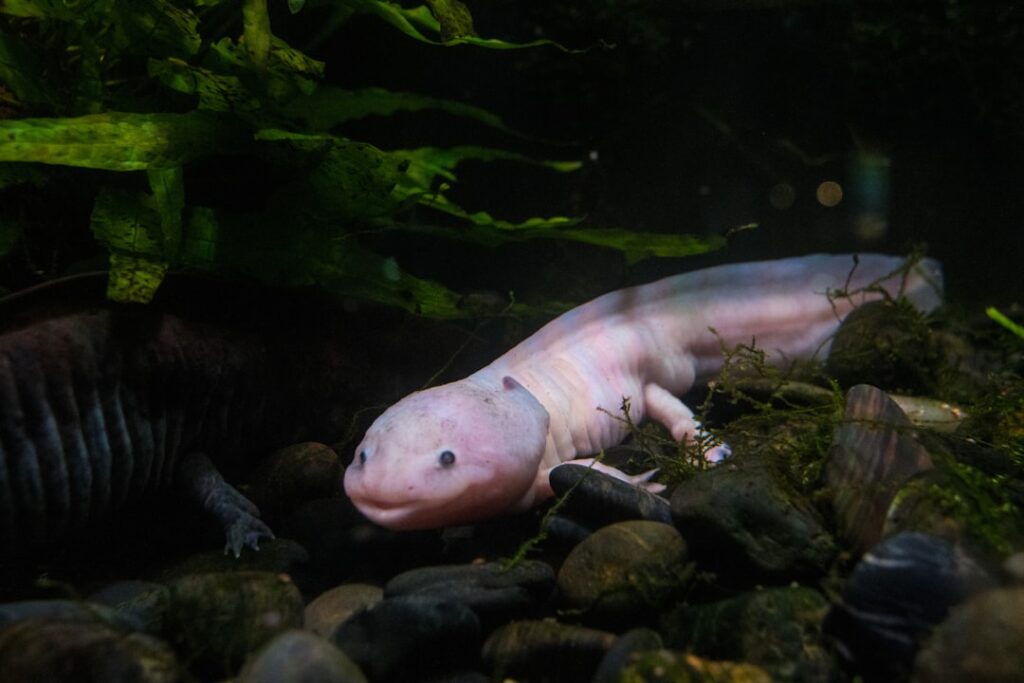
Furthermore, as conservation efforts for axolotls gain momentum, there is a growing emphasis on preserving their habitats. This conservation work not only benefits the axolotl population but also ensures the ongoing availability of this crucial research organism. As urbanization and pollution threaten their natural environments, initiatives aimed at habitat restoration and protection are essential.
In addition, public awareness and education about the importance of axolotls in science can foster support for conservation efforts. Engaging the community in preservation activities, such as breeding programs and educational outreach, can help secure the future of axolotls and enhance their role in scientific research. As we move forward, collaboration between researchers, conservationists, and the public will be crucial to harnessing the full potential of axolotls in advancing science.
Conclusion
In summary, the axolotl is more than just a fascinating creature; it is a key player in scientific research with potential applications that could revolutionize our understanding of regeneration, genetics, and medicine. As researchers continue to explore the depths of axolotl biology, we can anticipate groundbreaking discoveries that may one day benefit human health and well-being. The axolotl not only provides insight into the marvels of nature but also serves as a beacon of hope for advancements in medical science and conservation.
Frequently Asked Questions (FAQ)
What makes axolotls unique in scientific research?
Axolotls are unique due to their extraordinary regenerative abilities, allowing them to regrow limbs and organs. Their genetic characteristics and neoteny also offer insights into evolutionary biology.
How do axolotls regenerate their limbs?
Axolotls regenerate limbs through a process involving dedifferentiation of cells at the injury site, forming a blastema that develops into new tissue.
What are the potential medical applications of axolotl research?
Research on axolotls may lead to advancements in regenerative medicine, wound healing, and treatments for spinal cord injuries and autoimmune diseases.
Why is axolotl conservation important?
Conserving axolotls is crucial not only for their survival but also for maintaining a vital resource for scientific research that can benefit human health.