

Axolotls, known for their incredible regenerative abilities and adorable appearance, have captured the hearts of many enthusiasts. However, one of the most intriguing aspects of these unique creatures is their reproduction, particularly the incubation of their eggs. Understanding the incubation process not only helps in preserving this species but also enhances the experience of breeding axolotls for hobbyists. In this article, we will explore the key factors involved in axolotl egg incubation, ensuring that you are well-equipped to nurture these fascinating amphibians from egg to hatchling.
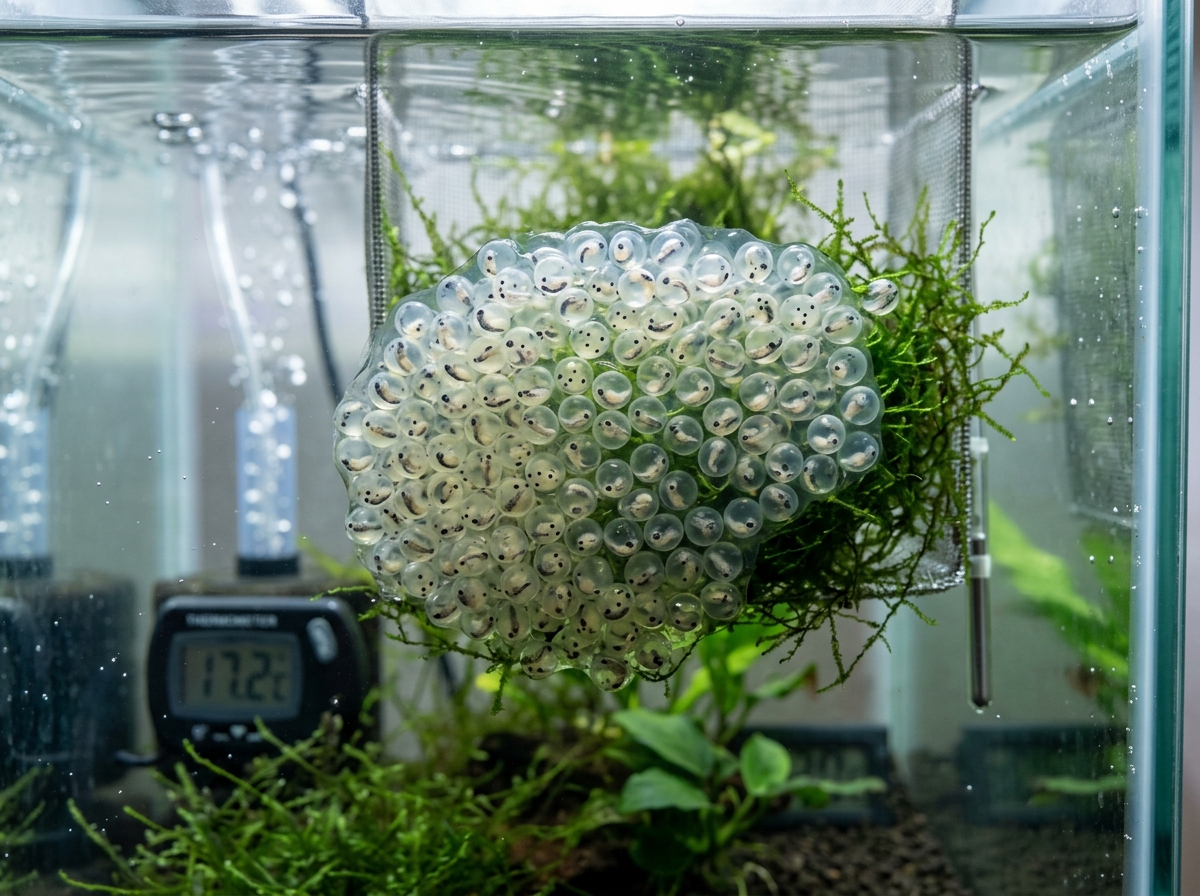
When axolotls mate, the female lays eggs in jelly-like clusters, which can be quite a sight to behold. These eggs are sensitive to their environment, requiring specific conditions for successful incubation. The ideal temperature, water quality, and tank setup are crucial to the survival of the embryos. Let’s delve into these essential elements for successful axolotl egg incubation.
Essential Factors in Axolotl Egg Incubation
The incubation of axolotl eggs is a delicate process that requires careful attention to various environmental factors. Proper management of these elements can significantly influence the hatching success rate and the overall health of the hatchlings. Below are the main factors to consider:
Temperature Control in Axolotl Egg Incubation
Temperature is one of the most critical factors affecting axolotl egg incubation. Ideally, the water temperature should be maintained between 18-22 degrees Celsius (64-72 degrees Fahrenheit). Temperatures outside this range can either delay hatching or lead to developmental issues. For instance, higher temperatures may accelerate development but can also lead to increased mortality rates if they exceed recommended levels. It’s essential to monitor the temperature regularly using an aquarium thermometer to ensure a stable environment.
In addition to using a reliable thermometer, consider investing in a heater that can maintain consistent temperatures if you are in a cooler climate. Sudden temperature fluctuations can stress the embryos, leading to poor development. Utilizing a thermometer with an alarm feature can help alert you to any drastic changes in temperature, which is crucial during the incubation period.
Water Quality and Its Impact on Axolotl Egg Incubation
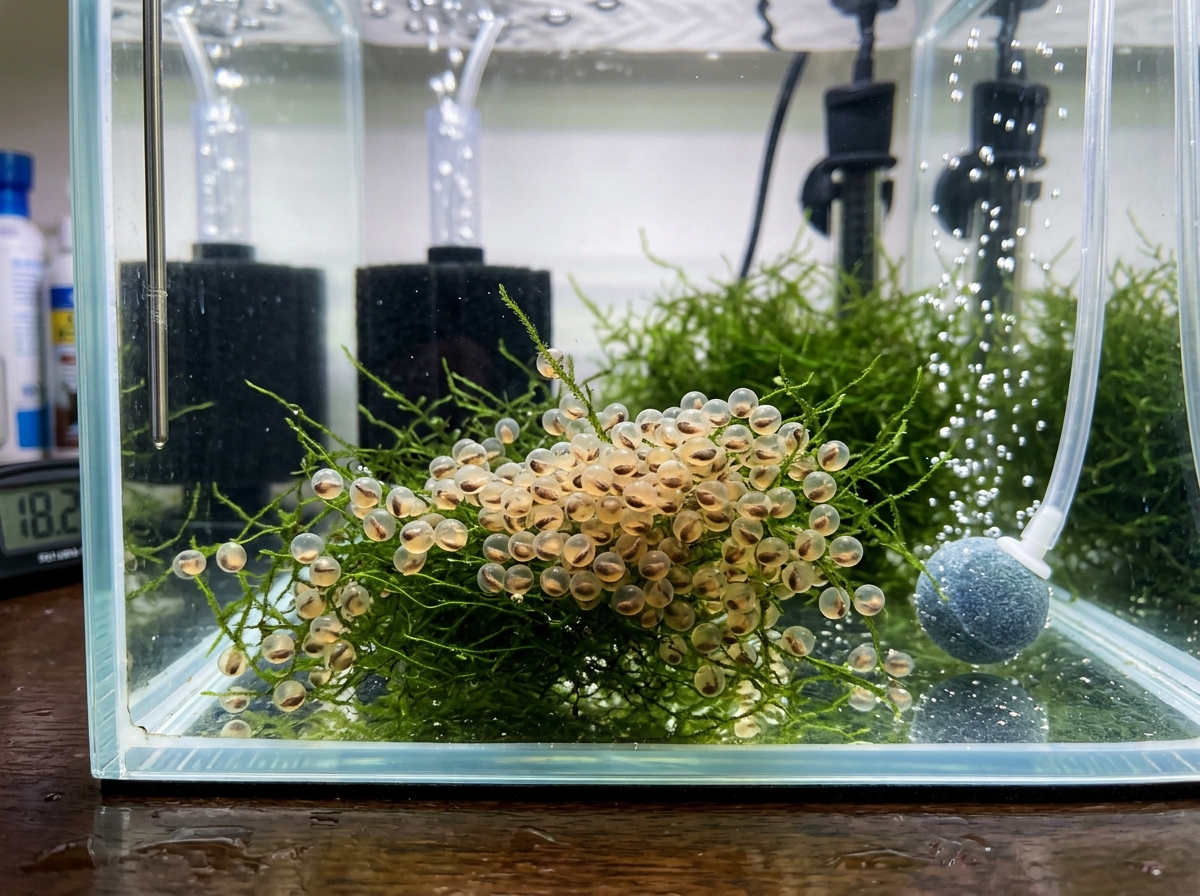
Maintaining high water quality is crucial for the health of the developing embryos. The water should be clean, well-oxygenated, and free from harmful chemicals. Regular water changes, at least 20% every few days, can help maintain optimal conditions. Additionally, using a sponge filter can provide gentle water circulation without disturbing the eggs.
It’s also advisable to monitor the ammonia, nitrite, and nitrate levels in the water. High levels of these substances can be toxic to the developing embryos. If you are using a filter, make sure it is cycled to provide beneficial bacteria that will help in breaking down waste products. Using a water testing kit can help you keep track of these parameters and ensure a safe environment for the eggs.
Lighting and Darkness Cycle for Successful Axolotl Egg Incubation
Light exposure can impact the development of axolotl eggs. A natural day-night cycle is recommended, providing around 12 hours of light and 12 hours of darkness each day. This cycle mimics their natural habitat and can help in regulating the growth and development of the embryos. The right lighting can also influence the timing of hatching, as the embryos respond to light cues.
Consider using a timer for your aquarium lights to maintain consistency in the light cycle. Too much light can cause stress in the developing embryos, while too little can hinder their growth. Natural light is ideal, but if that’s not possible, use full-spectrum LED lights that simulate natural sunlight without overheating the water.
 📖 Read also:
Unlocking the Secrets of Axolotl Egg Laying Behavior
Common Mistakes to Avoid During Axolotl Egg Incubation
Breeding axolotls can be a rewarding experience, but it’s easy to make mistakes that could compromise the health of the eggs. Here are some common pitfalls to avoid:
Overcrowding the Incubation Tank
One mistake that many breeders make is overcrowding the incubation tank. It’s crucial to provide adequate space for the eggs to develop without being disturbed. Overcrowding can lead to increased competition for oxygen and nutrients, which can be detrimental to the embryos. Each cluster of eggs should have enough room to breathe and develop properly.
When setting up the incubation tank, consider separating the egg clusters into different containers if you have a large batch. This can minimize stress and allow for better monitoring of each cluster’s health. Using dividers or separate sections in the tank can also help manage space while keeping the eggs safe from potential threats.
Ignoring pH Levels and Their Importance in Axolotl Egg Incubation
The pH level of the water should ideally be between 6.5 and 7.5. Extreme pH levels can hinder the development of embryos, leading to poor hatching rates. Regularly testing the water for pH and making necessary adjustments is essential for a successful incubation. High pH levels can lead to the formation of harmful substances, while low pH can be equally detrimental.
To maintain optimal pH levels, consider using products designed to buffer water. These products can help stabilize pH levels and provide a consistent environment for the developing eggs. Additionally, incorporating natural materials such as driftwood or Indian almond leaves can help maintain a stable pH over time.
Neglecting to Monitor Development of Axolotl Eggs
Regularly checking on the eggs is vital. You need to observe for signs of development, such as the presence of eyes or movement within the eggs. This monitoring can help you identify any issues early on and take corrective actions if necessary. Keeping a log of your observations can be beneficial for future breeding attempts.
In addition to monitoring for physical signs of development, it’s also important to keep an eye out for signs of fungus or other abnormalities. If you notice any discolored or opaque eggs, removing them promptly can prevent contamination of healthy eggs. Regular gentle agitation of the water can also help prevent fungal growth.
Tips for Successful Hatching of Axolotl Eggs
To increase your chances of a successful hatch, consider the following tips:
 📖 Read also:
The Fascinating Behavior of Axolotls Guarding Their Eggs
- Provide a gentle water flow to ensure oxygenation without disturbing the eggs.
- Keep the incubation area quiet and free from stressors, such as loud noises or sudden movements.
- Maintain a consistent temperature and avoid fluctuations that may stress the embryos.
- Be patient; the incubation period typically lasts between 10 to 14 days, depending on the temperature.
- Prepare a separate tank for the hatchlings, ensuring it’s ready for their arrival.
Additionally, consider feeding the hatchlings with newly hatched brine shrimp or specialized fry food for optimal growth after they emerge. Having the hatchling tank set up with appropriate water conditions will ensure a smooth transition for the new axolotls.
Conclusion on Axolotl Egg Incubation
Axolotl egg incubation is a fascinating process that requires careful attention to environmental factors. By understanding the importance of temperature control, water quality, and common mistakes to avoid, you can ensure a successful hatching process. This knowledge not only aids in the preservation of this unique species but also enriches the experience of breeding axolotls. With proper care and monitoring, you can enjoy watching your axolotl eggs develop into healthy hatchlings. Happy breeding!
Frequently Asked Questions (FAQ)
How long does it take for axolotl eggs to hatch?
Axolotl eggs typically take between 10 to 14 days to hatch, depending on the temperature and environmental conditions.
What should I do if the eggs turn white?
If the eggs turn white, it usually indicates that they are fertilized but not developing properly. This could be a sign of fungus or poor water quality. Such eggs should be removed to prevent contamination.
Can I use tap water for incubating axolotl eggs?
Using tap water is not recommended unless it has been treated to remove chlorine and other harmful chemicals. It’s best to use dechlorinated water or aged water that has been allowed to sit for 24 hours.
Do axolotl eggs require aeration?
Aeration is not necessary for axolotl eggs, as excessive bubbling can disturb them. However, maintaining good water quality and gentle circulation is important for their development.