

The axolotl, a fascinating amphibian native to Mexico, has captured the imagination of scientists and the public alike. Known for its regenerative capabilities and unique appearance, the axolotl holds a special place in both ecology and culture. Its significance extends beyond mere biology; it is deeply intertwined with the cultural heritage of the Mexica civilization and has become a symbol of conservation efforts. In this article, we will explore the various dimensions of the axolotl’s cultural significance, including its historical roots, modern symbolism, and impact on conservation.
As we delve into this topic, we will highlight how the axolotl represents not just a species at risk of extinction but also a cultural icon that reflects the relationship between nature and humanity. This exploration will reveal the multifaceted role of the axolotl in Mexican society and its current relevance in global conservation dialogues, illustrating its ongoing influence across generations.
The Historical Roots of Axolotl in Mexican Culture
The axolotl has long been a part of Mexican folklore and traditions. Historically, it was associated with the Mexica (Aztec) civilization, where it was believed to be a manifestation of the god Xolotl, the deity of lightning and death. The Mexica viewed the axolotl as a creature of transformation and regeneration, symbolizing the cycle of life and death. This connection to the divine is indicative of the Mexica’s deep reverence for nature and the animals that inhabit their world.
In ancient texts and codices, the axolotl appears as a significant figure, often depicted in various artworks and rituals. The creature was not only revered for its unique physical traits but also for its role in the ecosystem of Lake Xochimilco, where it inhabited. The Mexica utilized the axolotl in their diet, incorporating it into their culinary practices, and its presence in ceremonies signifies its importance in their daily lives. The relationship between the Mexica and the axolotl highlights a broader understanding of how indigenous cultures often intertwine their existence with the natural world around them.
Today, the axolotl remains a symbol of Mexican identity, representing resilience and adaptability in the face of environmental changes. Its historical significance is celebrated in various cultural festivals and art forms, reminding people of the rich heritage associated with this remarkable amphibian. Events such as the Day of the Dead incorporate imagery of the axolotl, signifying its place within the cultural consciousness of Mexico. This ongoing celebration of the axolotl emphasizes the continuity of tradition and the need to preserve the stories and symbols that define a culture.
Axolotl as a Symbol of Conservation and Biodiversity
In contemporary times, the axolotl has gained prominence as a symbol of conservation efforts aimed at protecting endangered species and their habitats. With its status as critically endangered due to habitat loss, pollution, and invasive species, the axolotl has become a focus for environmental activism. This plight has not only mobilized local communities but has also drawn international attention to the ecological concerns surrounding freshwater ecosystems.
 📖 Read also:
Discover the Enigmatic Axolotl in Mexican Folklore: Myths and Legends
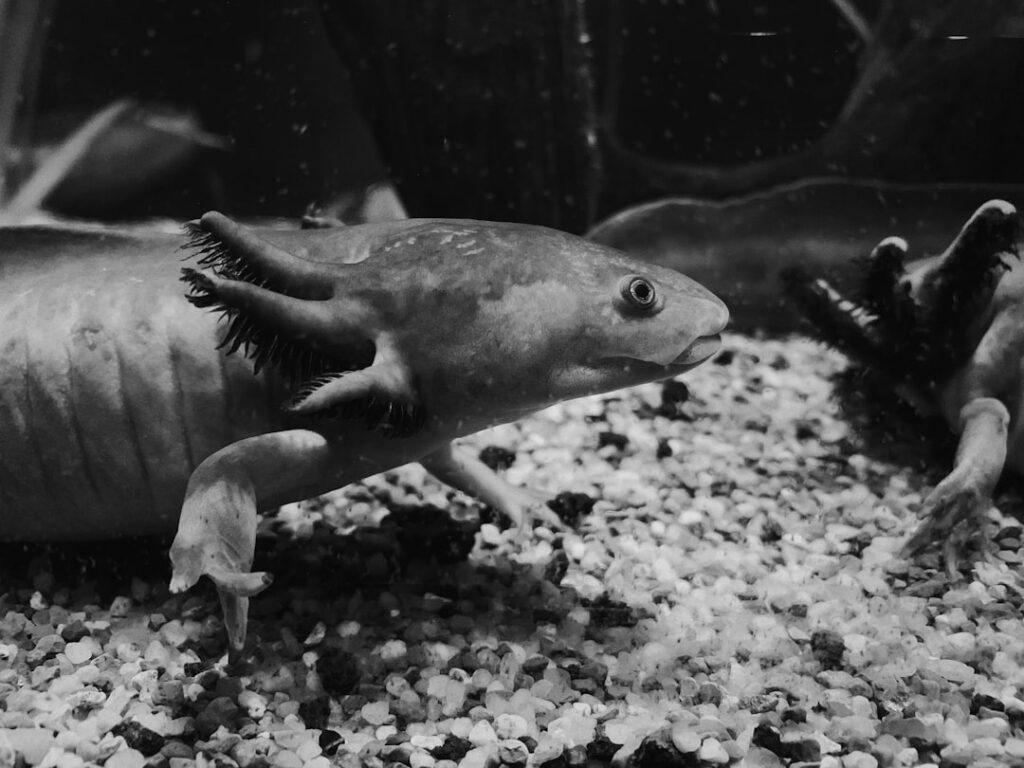
Organizations and activists worldwide are using the axolotl to raise awareness about the importance of biodiversity and the urgent need for conservation measures. The axolotl’s plight serves as a poignant reminder of the consequences of human actions on the environment, making it a powerful icon in ecological discussions. Campaigns highlighting the axolotl often emphasize the interconnectedness of ecosystems, illustrating how the loss of one species can have a ripple effect on the entire environment. Through this lens, the axolotl becomes a rallying point for broader conservation initiatives, encouraging individuals and communities to engage in environmental stewardship.
Moreover, the axolotl’s unique ability to regenerate lost limbs has captured the attention of scientists, leading to research that could have implications for regenerative medicine. This scientific interest further enhances its status as a cultural symbol, bridging the gap between folklore and modern science. Studies on the axolotl’s regenerative capabilities have the potential to unlock new treatments for human injuries and diseases, making the axolotl not just a subject of conservation but also a beacon of hope for medical advancements. This intersection of biology and culture reinforces the importance of protecting the axolotl, as preserving its habitat could lead to breakthroughs that benefit humanity.
Artistic Representations of Axolotl in Modern Culture
The cultural significance of the axolotl is also reflected in various artistic expressions. From literature to visual arts, the axolotl has inspired countless artists and creators. Its distinct appearance and fascinating life cycle make it an intriguing subject for exploration in different media. Artists often portray the axolotl in ways that highlight its surreal beauty, employing vibrant colors and imaginative contexts that resonate with viewers.
In literature, the axolotl has been featured in stories and poems that highlight its uniqueness and the themes of transformation. For example, renowned author Julio Cortázar wrote a short story titled “Axolotl,” which delves into themes of identity and the human experience through the lens of this remarkable creature. Such narratives not only celebrate the axolotl’s physical attributes but also explore deeper philosophical questions about existence, change, and connection to nature. This literary engagement fosters a deeper understanding of the axolotl’s role in both mythology and reality.
Visual artists often depict the axolotl in vibrant colors, celebrating its beauty and symbolism. Additionally, the axolotl has found its way into popular culture, becoming a beloved character in animations and merchandise. From plush toys to video games, the axolotl’s quirky charm has made it a favorite among various demographics, particularly among younger audiences. This presence in popular culture serves as a powerful educational tool, as it raises awareness about the species and the importance of conservation efforts in a format that resonates with the public.
 📖 Read also:
Unveiling the Mystical Connection Between Axolotls and Aztec Mythology
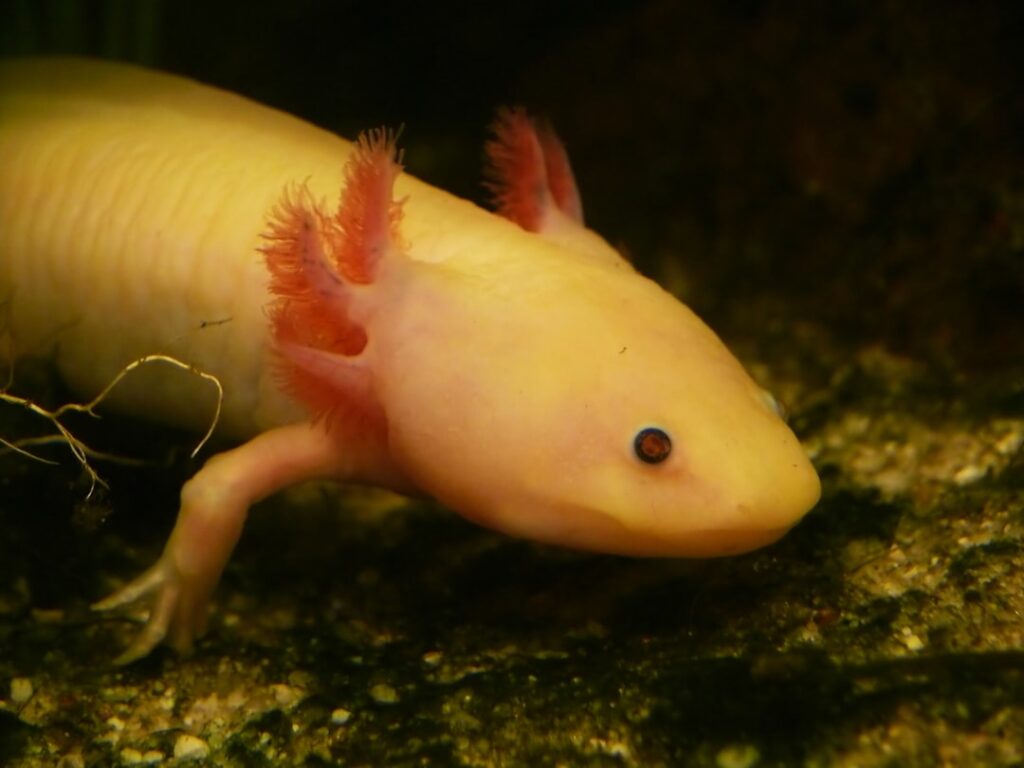
Understanding the Global Impact of Axolotl Conservation
The axolotl’s cultural significance is not confined to Mexico; it has garnered international attention as a symbol of conservation efforts worldwide. Various initiatives have emerged to protect the species and its habitat, emphasizing the global responsibility to preserve biodiversity. These initiatives often involve collaborations between governments, non-profit organizations, and local communities, showcasing the collective effort required to address environmental challenges.
Conservation programs focused on the axolotl involve habitat restoration, breeding programs, and community education. These efforts aim to engage local communities in protecting the environment and promoting sustainable practices. The axolotl serves as a focal point in these initiatives, inspiring collective action for conservation. Educational programs that teach the importance of biodiversity and the role of the axolotl in the ecosystem help foster a sense of responsibility among individuals and communities, encouraging proactive measures to protect not only the axolotl but also the diverse life forms sharing its habitat.
Moreover, the axolotl’s uniqueness as an animal often leads to discussions about the interconnectedness of species and ecosystems. By understanding the axolotl’s plight, individuals worldwide can reflect on their roles in environmental stewardship and the importance of protecting biodiversity for future generations. The narrative of the axolotl extends beyond its immediate habitat; it serves as a powerful reminder of the fragility of ecosystems and the urgent need for global cooperation in conservation efforts. This awareness can drive policy changes and inspire individuals to take action in their own communities, highlighting the axolotl’s role as a catalyst for environmental consciousness.
Conclusion: The Enduring Legacy of Axolotl in Culture and Conservation
In summary, the axolotl’s cultural significance extends far beyond its biological characteristics. Rooted in Mexican history, it serves as a powerful symbol of conservation, biodiversity, and artistic expression. As we continue to learn from and about this remarkable creature, it is crucial to recognize the intertwined relationship between culture and nature. The axolotl stands as a testament to the resilience of life and the importance of our collective responsibility to safeguard the natural world.
Efforts to protect the axolotl and its habitat not only preserve a unique species but also honor the cultural heritage of those who have revered it for centuries. The axolotl represents the convergence of myth, science, and art, embodying humanity’s ongoing quest to understand and coexist with the natural world. By cherishing and protecting the axolotl, we not only ensure its survival but also enrich our cultural narratives and foster a deeper appreciation for the biodiversity that surrounds us.