
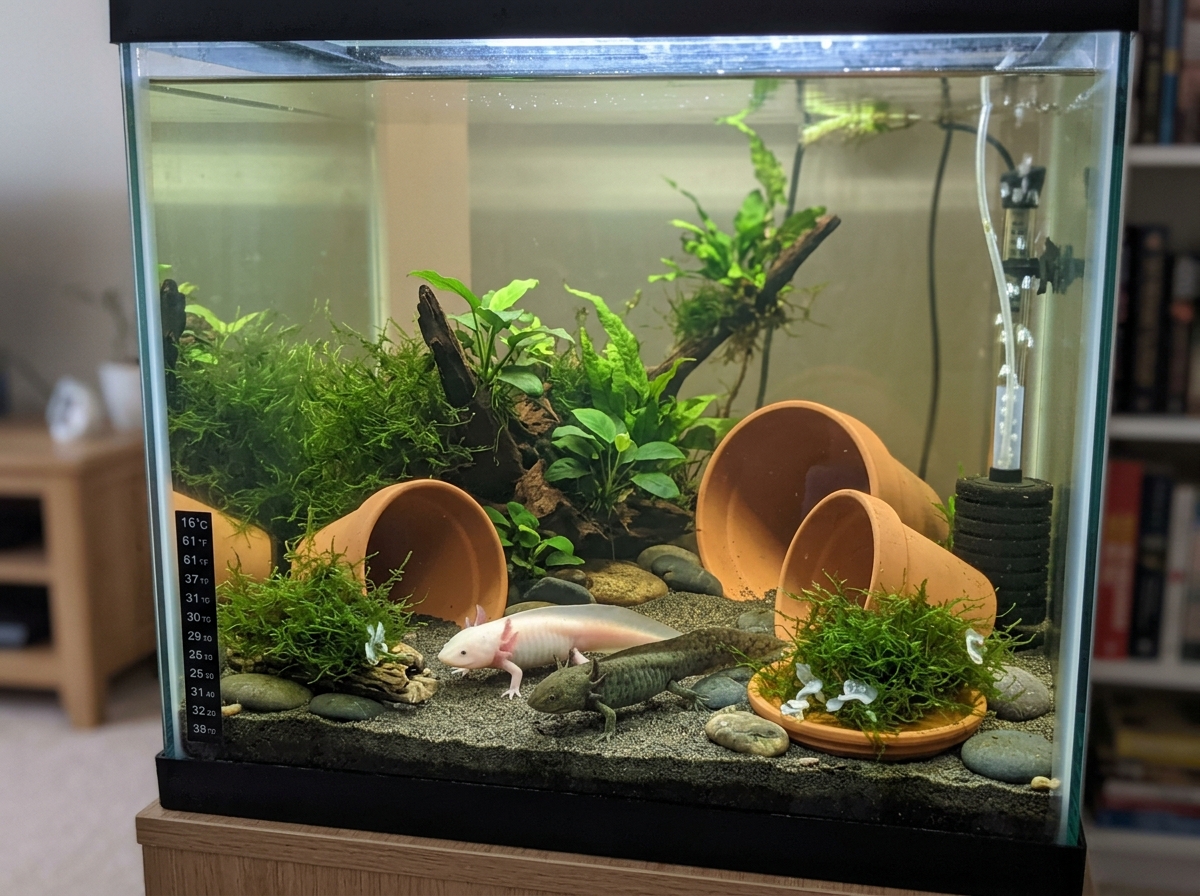
Axolotls, known for their unique regenerative abilities and delightful appearance, have gained popularity as exotic pets. Breeding axolotls, however, is not as straightforward as it may seem. Understanding the specific requirements for axolotl breeding is crucial for anyone looking to embark on this rewarding journey. From tank conditions to dietary needs, there are several factors to consider to ensure successful breeding.
In this article, we will explore the essential axolotl breeding requirements that every enthusiast should know. Whether you are a beginner or an experienced aquarist, these insights will help you create the ideal environment for your axolotls to thrive and reproduce. By paying attention to their habitat, nutrition, and behavioral cues, you can maximize your chances of a successful breeding experience.
Key Axolotl Breeding Requirements
Creating the right conditions for breeding axolotls is essential for their health and reproductive success. Below, we will outline the key requirements that need to be met to facilitate successful breeding. These requirements include proper tank setup, water quality, temperature control, and diet, all of which play a significant role in the breeding process.
In addition, understanding the natural habitat of axolotls can provide insights into how to recreate an environment that mimics their native conditions in the wild. This includes the type of substrate, the presence of aquatic plants, and the overall layout of the tank. A well-thought-out setup not only helps in breeding but also contributes to the overall well-being of the axolotls.

Proper Tank Size and Setup
One of the most critical factors in breeding axolotls is providing a proper tank size and setup. A spacious tank, ideally at least 20 gallons, is recommended for breeding pairs. This space allows them to swim freely and reduces stress. The tank should be equipped with a gentle filtration system to maintain water quality without creating strong currents, which can harm the axolotls. A sponge filter is often preferred as it provides adequate filtration while being gentle enough for the sensitive axolotls.
Furthermore, the substrate should be soft and non-abrasive, such as sand or bare bottom, to prevent any injury to their delicate bodies. Including plenty of hiding spots using decorations like rocks, plants, and PVC pipes can create a comfortable environment where they can feel secure. Live plants not only provide hiding spots but also contribute to the overall water quality by absorbing nitrates and providing oxygen. Consider adding plants like Java moss or Anubias, which are hardy and can thrive in cooler water.
Water Quality and Temperature
Maintaining optimal water quality is vital for breeding axolotls. The water should be kept clean with parameters such as a pH level between 6.5 and 8.0, ammonia and nitrite levels at 0 ppm, and nitrate levels below 20 ppm. Regular water changes, ideally 20-30% weekly, can help achieve this. It’s also advisable to use a water conditioner to remove harmful chemicals from tap water before adding it to the tank.
📖 Read also: 5 Intriguing Axolotl Breeding Season Signs That Indicate It’s Time to Mate
Temperature also plays a significant role in breeding. Axolotls prefer cooler water temperatures, typically between 60°F and 68°F (15°C to 20°C). Higher temperatures can lead to stress and health issues, which may impact their breeding behavior. Therefore, it’s essential to monitor and adjust the water temperature accordingly. Using a reliable aquarium thermometer can help you keep track of the temperature. If necessary, consider using a chiller or ice packs to maintain the desired water temperature during warmer months.
Feeding and Nutrition
Proper nutrition is crucial for breeding axolotls. A balanced diet will ensure they are healthy and ready to breed. Offer a variety of foods, including high-quality pellets, live or frozen foods like worms, shrimp, and insects. Females, in particular, require extra nutrition before breeding to produce healthy eggs. A diverse diet not only keeps them healthy but also stimulates natural foraging behaviors, which can be beneficial during the breeding period.
During the breeding season, it’s beneficial to provide an enriched diet with more protein to support the energy needs of the axolotls. Consider incorporating foods like earthworms and bloodworms, which are high in protein and can encourage breeding behavior. Additionally, avoid overfeeding, as this can lead to health complications. Monitor their feeding habits and adjust the portion sizes accordingly, ensuring that all axolotls receive adequate nutrition without excess waste in the tank.
Breeding Behavior and Process
Understanding the breeding behavior of axolotls is essential for successful reproduction. When ready to breed, males will often perform a courtship dance, which involves nudging the female and waving their gills. This behavior is a sign that they are interested in mating. Observing these interactions can provide valuable insights into the health and readiness of your axolotls for breeding.
The actual breeding process involves the male depositing sperm packets called spermatophores, which the female collects. After a successful mating, the female will lay eggs, typically on surfaces like plants or decorations in the tank. This process can yield hundreds of eggs, which will hatch into larvae in about two weeks. It’s important to provide appropriate surfaces for egg-laying, such as broad-leafed plants or smooth surfaces, as they help protect the eggs from being eaten by the adults.

Post-Breeding Care
After breeding, it’s crucial to monitor the eggs and provide the right conditions for their development. Maintain optimal water quality and temperature, and avoid disturbing the eggs as they develop. Once the larvae hatch, they will require appropriate care, including feeding them with specialized foods like infusoria or brine shrimp. These first foods are essential for the tiny larvae, as they have small mouths and require finely-sized food to thrive.
📖 Read also: Unlocking the Secrets: How to Successfully Breed Axolotls at Home
As the larvae grow, gradually introduce larger foods and ensure they have enough space to thrive. Be prepared for the responsibility of caring for multiple axolotl larvae, as they can grow quickly and require individual attention. It’s advisable to separate them into different tanks or containers to prevent cannibalism, which can occur if they are left together in a confined space. Monitoring their growth and health is essential to ensure they reach maturity successfully.
Common Challenges in Axolotl Breeding
While breeding axolotls can be a rewarding experience, it also comes with its challenges. One common issue is the potential for cannibalism among the larvae. To minimize this risk, provide ample space and food to reduce competition. Keeping a close eye on their sizes can help you identify which individuals may need to be separated to prevent larger larvae from preying on smaller ones.
Another challenge is ensuring that both the male and female axolotls are healthy and ready to breed. Regular health checks and maintaining a stress-free environment are essential to prevent complications during the breeding process. Additionally, be aware of any signs of illness such as lethargy, loss of appetite, or unusual swimming patterns, as these can indicate underlying health issues that need to be addressed before breeding.
Conclusion
Breeding axolotls can be a fulfilling endeavor for any aquarist willing to invest the time and effort. By understanding and implementing the essential axolotl breeding requirements, you can create a thriving environment that promotes successful reproduction. Remember to pay attention to their tank conditions, water quality, and nutrition to ensure the health and well-being of your axolotls throughout the breeding process.
With the right knowledge and care, you will not only witness the beauty of axolotl breeding but also contribute to the preservation of this fascinating species. By sharing your experiences and insights with other axolotl enthusiasts, you can help foster a community that appreciates these remarkable creatures and supports their care and breeding.