
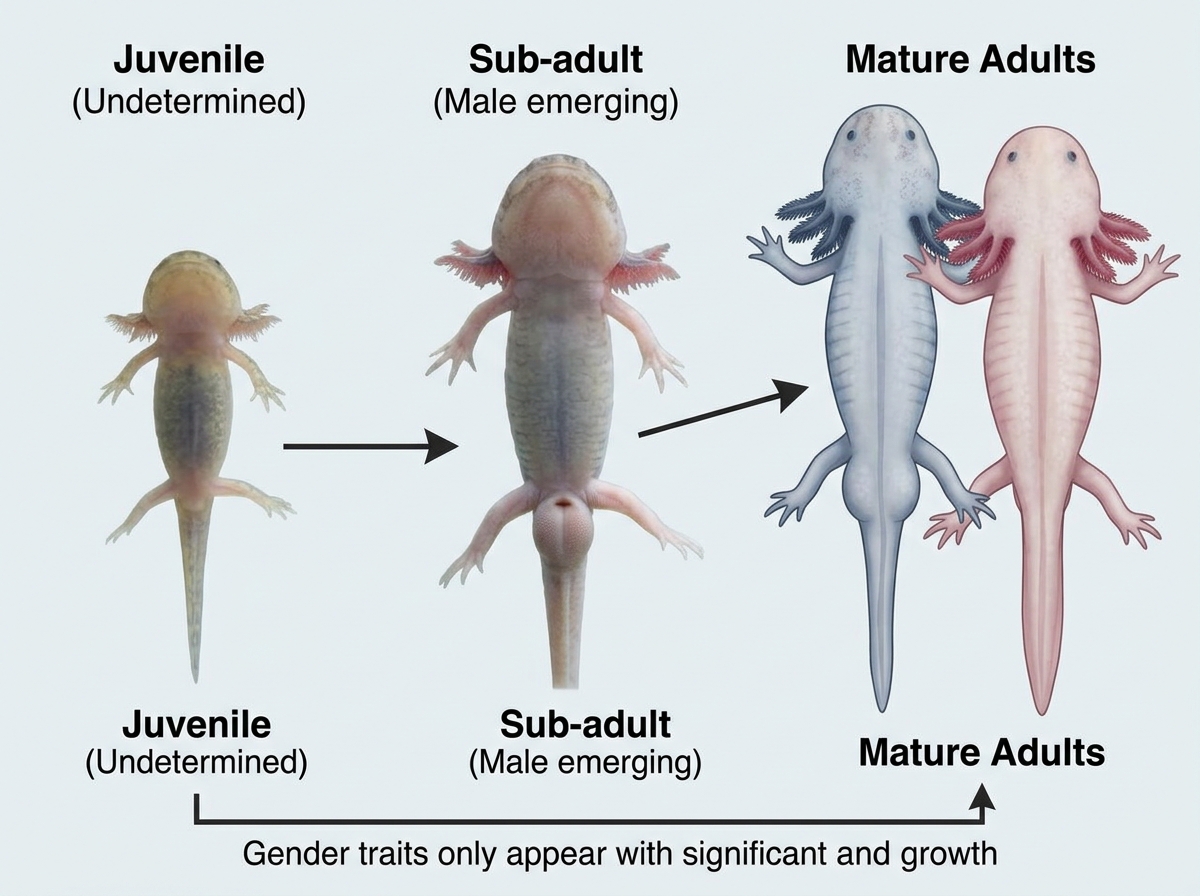
Axolotls, those fascinating aquatic creatures known for their regenerative abilities, have captured the hearts of many pet enthusiasts. But when it comes to identifying their gender, many owners find themselves puzzled. Understanding the gender of your axolotl is not just a matter of curiosity; it can significantly impact their care, breeding decisions, and social interactions. This guide will explore the nuances of determining the gender of axolotls in a straightforward manner.
Before diving into the specifics, it’s essential to understand why knowing your axolotl’s gender is important. Female axolotls tend to have different care requirements compared to males, especially during breeding seasons. Additionally, if you’re considering keeping multiple axolotls together, understanding their gender can prevent potential aggression and breeding issues. This guide will provide you with practical tips and techniques to determine the gender of your axolotl confidently.
Methods to Determine Axolotl Gender: A Comprehensive Guide
Identifying the gender of axolotls involves observing physical and behavioral traits that differ between males and females. While it may seem complex at first glance, there are several methods that can help you make an accurate identification. Below, you will find detailed descriptions of each method to ensure you feel equipped to determine your axolotl’s gender.
Physical Examination: How to Tell Axolotl Gender Through Appearance
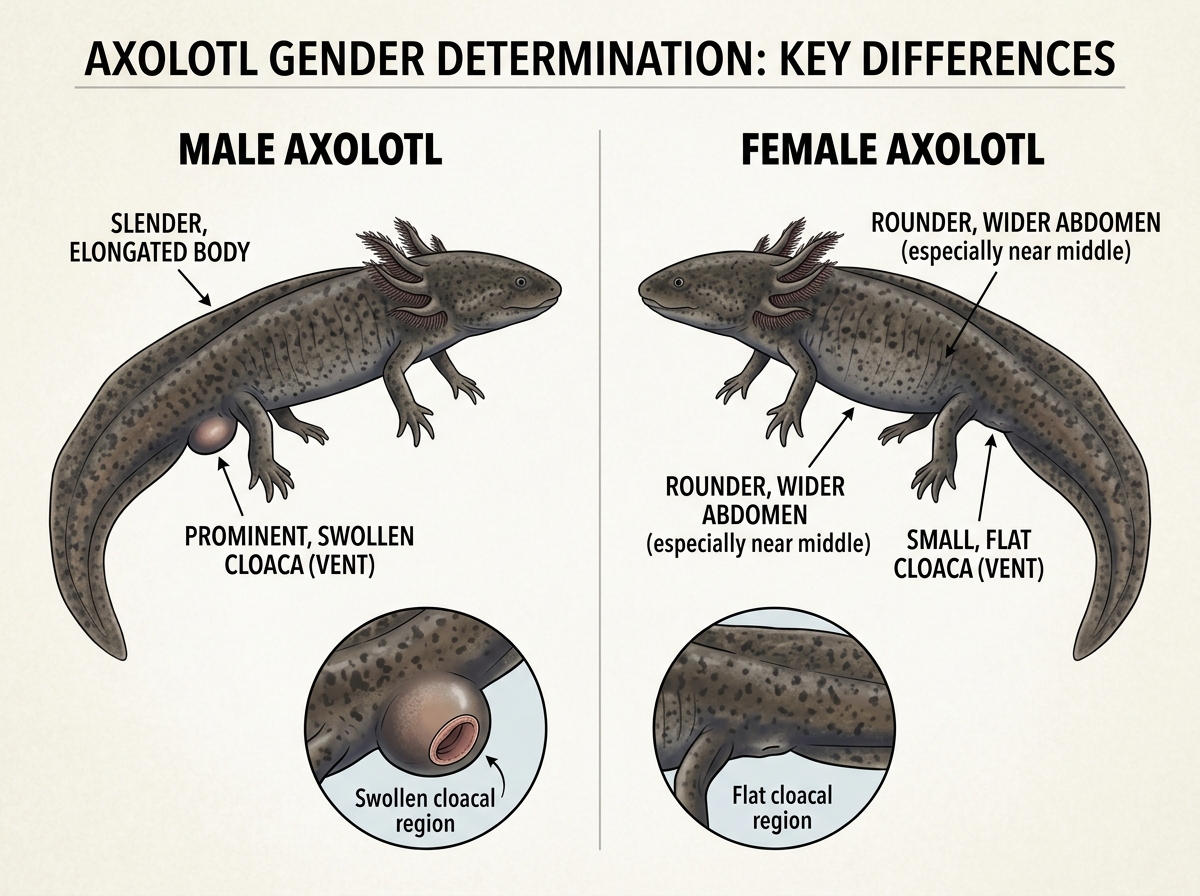
The most straightforward way to determine the gender of your axolotl is through a physical examination. Males and females exhibit distinct physical characteristics that can be observed without much hassle. Here are some pointers to look for:
- Body Size: Generally, female axolotls are larger than males. This difference becomes more pronounced as they mature. Females can reach sizes of up to 30 centimeters, while males usually max out around 25 centimeters. This size differentiation is significant during the breeding season when females may need extra space to carry their eggs.
- Claspers: Male axolotls possess a pair of claspers, which are small, elongated structures located near their cloaca. These claspers become more noticeable during the breeding season, as they are used to grip the female during mating. Understanding this feature is crucial, as it is one of the most definitive ways to identify male axolotls.
- Body Shape: Males tend to have a narrower body shape, while females are often more robust, especially when they are carrying eggs. This body shape is not just for aesthetics; it plays a role in their reproductive processes. A robust body allows females to store eggs and provides the necessary buoyancy during breeding.
By carefully examining these features, you can make a good guess regarding your axolotl’s gender. It’s worth noting that physical examinations should be done gently to avoid stressing the animal.
Behavioral Indicators: Understanding Axolotl Gender Through Actions
Behavior can also provide clues about the gender of your axolotl. Observing how they interact with each other and their environment can be quite telling. Here are some behaviors to watch for:
 📖 Read also:
Unlocking the Secrets: How to Successfully Breed Axolotls at Home
- Mating Rituals: During mating season, males will often exhibit courtship behaviors, such as displaying their gills and engaging in a dance-like motion to attract females. This display can include wiggling their bodies and swimming in circles around the female, which helps signal their readiness to mate.
- Aggression Levels: Males can sometimes display more territorial behavior, especially when competing for the attention of a female. If you observe two males together, you may notice them engaging in aggressive posturing. This behavior can lead to physical confrontations if not managed properly.
- Nesting Behaviors: If you notice your axolotl creating nests or laying eggs, it’s a clear indication that you have a female. Nesting behaviors can be quite elaborate, with females clearing areas in the substrate to prepare for laying eggs. This activity often coincides with changes in water temperature or conditions.
Keeping an eye on these behaviors can help you gain more insight into the gender of your axolotl. Not only do these behaviors provide clues, but they also allow you to understand your axolotl’s needs and preferences better.
Temperature and Environment Effects: The Role of Habitat in Gender Identification
The environment and temperature can influence the behavior and physical attributes of axolotls. Interestingly, these factors can also play a role in gender identification:
- Water Temperature: Some studies suggest that higher water temperatures can affect the growth and development of axolotls, potentially influencing their gender characteristics. Males may become more aggressive in warmer waters, which can lead to clearer identification of their gender through behavior.
- Breeding Conditions: Providing optimal breeding conditions can trigger specific behaviors in males and females, making it easier to identify their genders. For instance, maintaining a stable temperature and clean water can encourage mating behaviors, providing you with a clearer view of their gender traits.
By adjusting the environmental conditions, you may observe changes in behavior that can help distinguish between male and female axolotls. Monitoring their habitat will not only assist in gender identification but also contribute to their overall health and well-being.

Common Mistakes to Avoid When Determining Axolotl Gender
When trying to determine the gender of your axolotl, it’s easy to make mistakes, especially if you are new to axolotl care. Here are some common pitfalls to avoid:
- Relying Solely on Size: While size can be a clue, it’s not definitive. Some males can grow quite large, and not all females will be noticeably bigger. It’s essential to consider other physical traits and behaviors in conjunction with size to make an accurate determination.
- Ignoring Behavior: Focusing only on physical traits can lead to misidentification. Always consider behavioral cues as well. For example, if a smaller axolotl displays aggressive behaviors typical of males, it may suggest that size is not the sole indicator of gender.
- Not Considering Age: Young axolotls can be particularly challenging to sex accurately, as many physical traits do not develop until they reach maturity. Patience is key; many axolotl keepers find that gender becomes more apparent as the animals grow older.
By being aware of these common mistakes, you can improve your accuracy in determining your axolotl’s gender. Learning from these common pitfalls will enhance your experience as an axolotl owner.
Conclusion: Mastering the Art of Axolotl Gender Identification
In conclusion, determining the gender of your axolotl is a fascinating process that involves careful observation of physical characteristics and behaviors. By following the methods outlined in this guide, you can confidently identify whether your axolotl is male or female. This knowledge not only enhances your understanding of these unique creatures but also helps you provide better care tailored to their specific needs. As you become more adept at identifying gender traits, you’ll find that your relationship with your axolotl deepens.
 📖 Read also:
How Axolotls Recognize Humans as Food: Fascinating Insights
Understanding the nuances of axolotl gender can lead to a more fulfilling experience for both you and your pet. Happy axolotl keeping!
Frequently Asked Questions (FAQ)
How can I tell the gender of my axolotl at a young age?
At a young age, it can be quite challenging to determine the gender of axolotls. Focus on observing their body shape and growth patterns, as females tend to grow larger than males over time. Keep in mind that some behavioral indicators may also emerge as they mature.
What are the signs of a female axolotl?
Female axolotls typically have a broader body and may exhibit nesting behaviors during breeding seasons. They also do not have claspers like males, which is a clear physical distinction. Observing their behavior during mating season can also provide additional clues.
Can I keep male and female axolotls together?
Yes, you can keep them together, but be mindful of breeding behaviors. If you don’t want them to breed, it’s best to house them separately. Monitor their interactions closely to prevent potential aggression, especially during mating seasons.
What should I do if I cannot determine the gender?
If you’re having difficulty identifying your axolotl’s gender, consider consulting a veterinarian or an experienced axolotl keeper for assistance. They can provide additional insights and tips for identifying your axolotl’s gender.