
Owning an axolotl can be an incredibly rewarding experience. These unique creatures, often referred to as “Mexican walking fish,” require specific care and appropriate tank conditions to thrive. One of the most crucial factors to consider when setting up your axolotl’s home is the tank size. Understanding the ideal axolotl tank size for one pet can help ensure your axolotl lives a long and healthy life.
In this article, we will delve into the specifics of tank size requirements for a single axolotl, explore important factors to consider, and provide practical tips for setting up an optimal environment for your aquatic friend.
Understanding Axolotl Tank Size Requirements
When it comes to axolotl care, tank size is paramount. A common guideline is to provide at least 10 gallons of water per axolotl. However, different factors can influence the ideal tank size for your pet. For instance, the age and size of the axolotl can dictate how much space it requires, as younger axolotls may need less room initially but will require more as they grow.
Additionally, the specific needs and behavior of your axolotl can also impact the tank size. Different axolotls may have varying levels of activity, and some may prefer more space to explore and establish their territory. Therefore, while 10 gallons is a starting point, aiming for a minimum of 20 gallons is generally the best practice to ensure your axolotl’s well-being.
Minimum Tank Size Recommendations
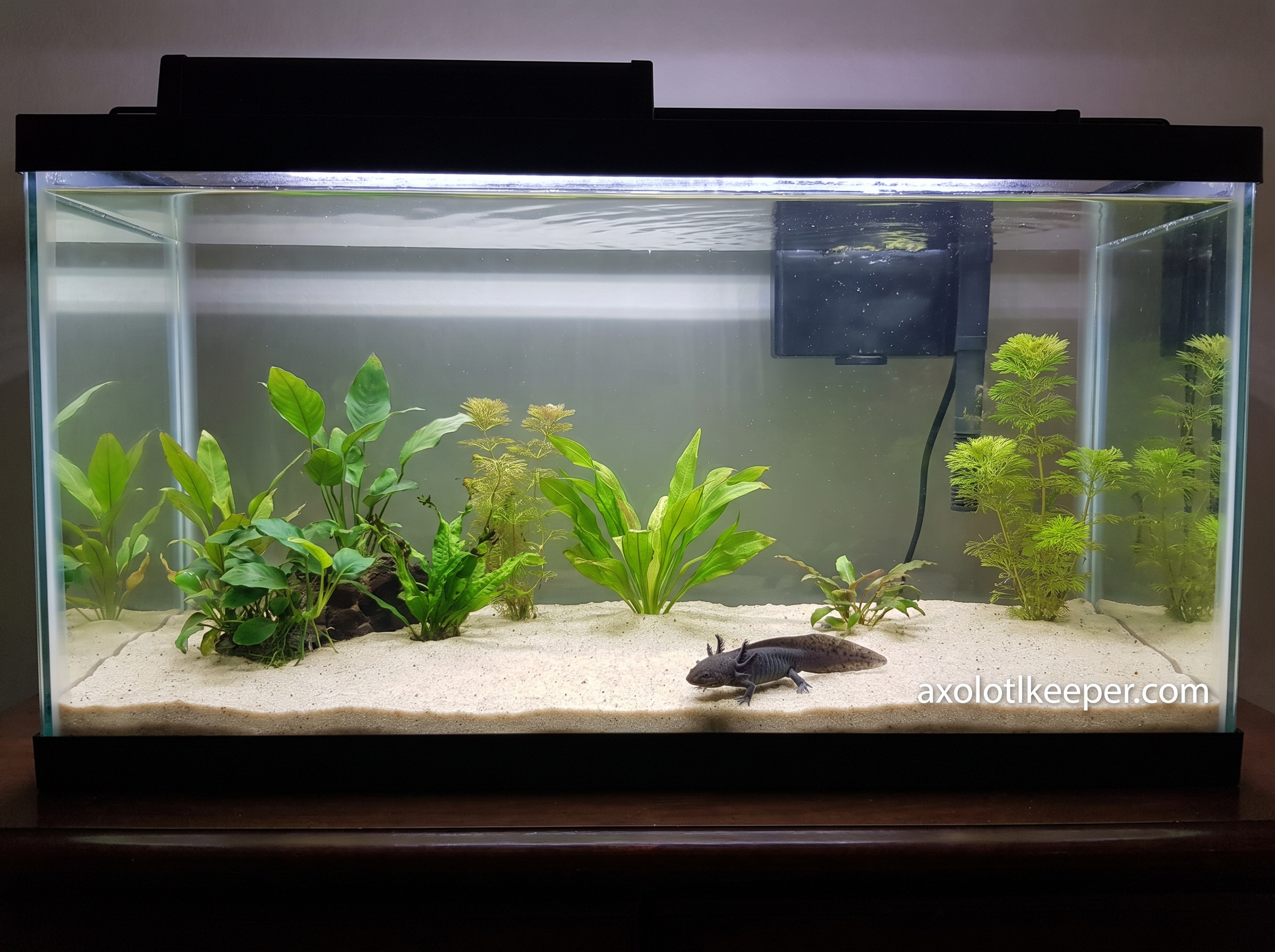
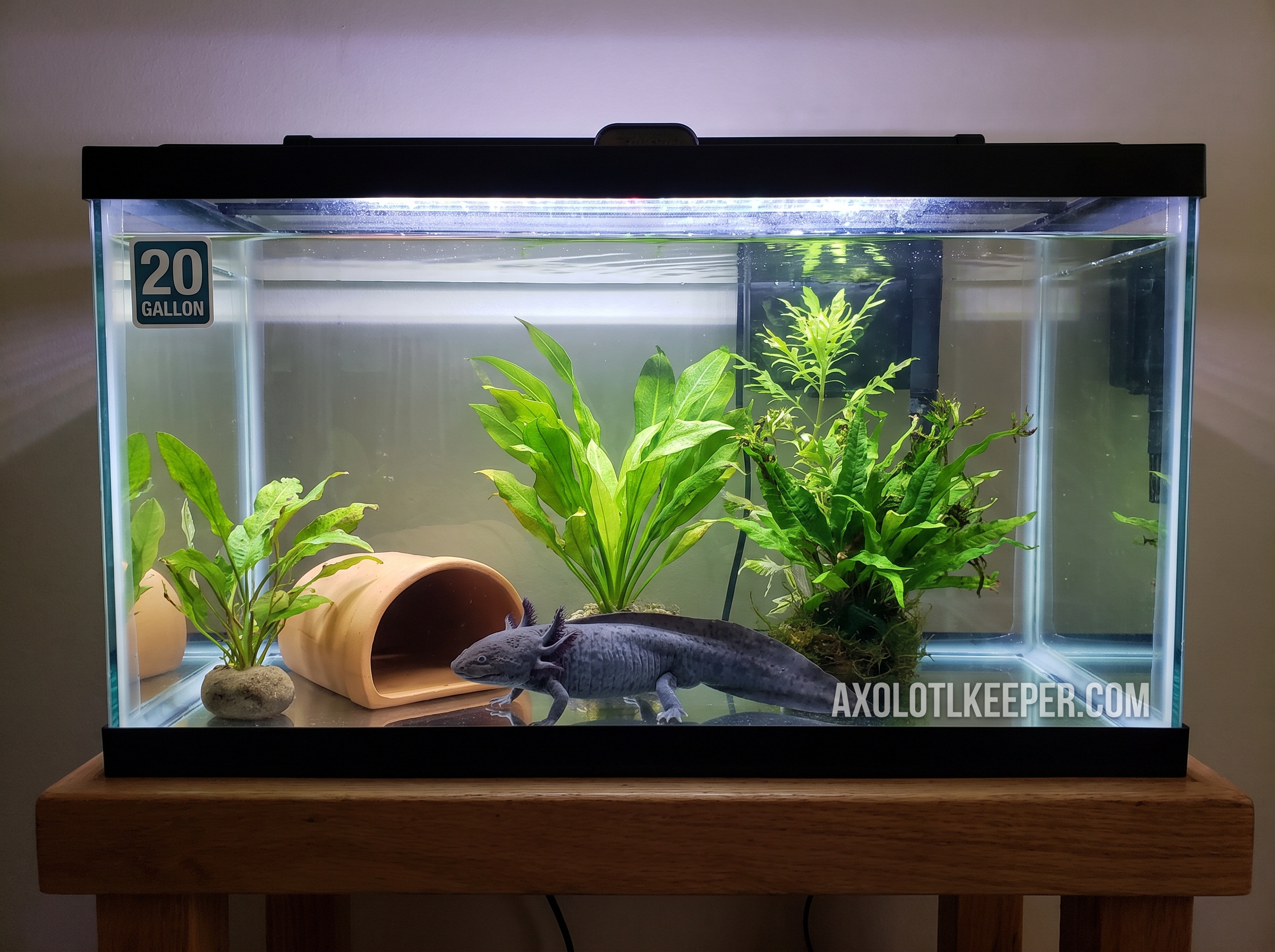
The minimum recommended tank size for one axolotl is 20 gallons. This allows ample space for swimming and exploration, reducing stress and promoting healthy behavior. Smaller tanks can lead to overcrowding and inadequate water quality, which can harm your axolotl. In a 20-gallon tank, your axolotl can exhibit more natural behaviors, such as foraging and hiding, which are essential for its mental well-being.
Moreover, having a larger tank also accommodates the necessary equipment, such as filtration systems and heaters, without overcrowding the aquatic environment. It’s important to consider the overall layout of the tank, ensuring that it is not just a space for the axolotl to live but a habitat that mimics its natural environment as closely as possible.
Why Size Matters
A larger tank provides more stable water parameters, which is crucial for the health of your axolotl. Smaller tanks can experience rapid fluctuations in temperature and ammonia levels, putting your axolotl at risk for various health issues. For instance, ammonia spikes can lead to a condition known as ammonia poisoning, which can be fatal if not addressed quickly.
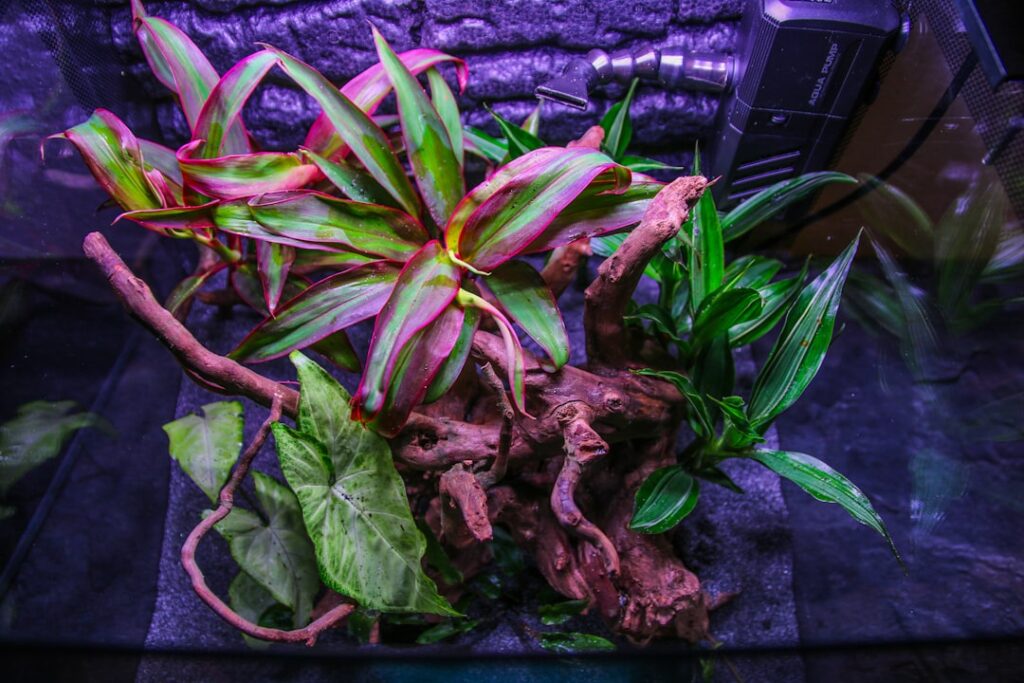
Additionally, a larger tank allows for more enrichment options, such as plants and hiding spots, which can enhance your axolotl’s quality of life. Enrichment items not only provide hiding spots for your axolotl, promoting security and comfort, but they also stimulate natural behaviors like exploration and hunting. This is crucial in preventing stress-induced health problems that can arise from a barren environment.
Considerations for Tank Height and Length
While volume is essential, the dimensions of the tank also matter. Axolotls are primarily bottom dwellers, so a long and wide tank is preferable to a tall one. A tank that is at least 30 inches in length and 12 inches in width is ideal to provide adequate swimming space. This layout allows the axolotl to swim freely without the constraints that a taller tank might impose.
Furthermore, a longer tank can help facilitate better water circulation, which is beneficial for maintaining even temperature and water quality throughout the tank. This is particularly important for axolotls, which are sensitive to fluctuating environmental conditions. Thus, when choosing a tank, prioritize length and width over height to create the most suitable habitat for your axolotl.
Setting Up the Perfect Tank Environment
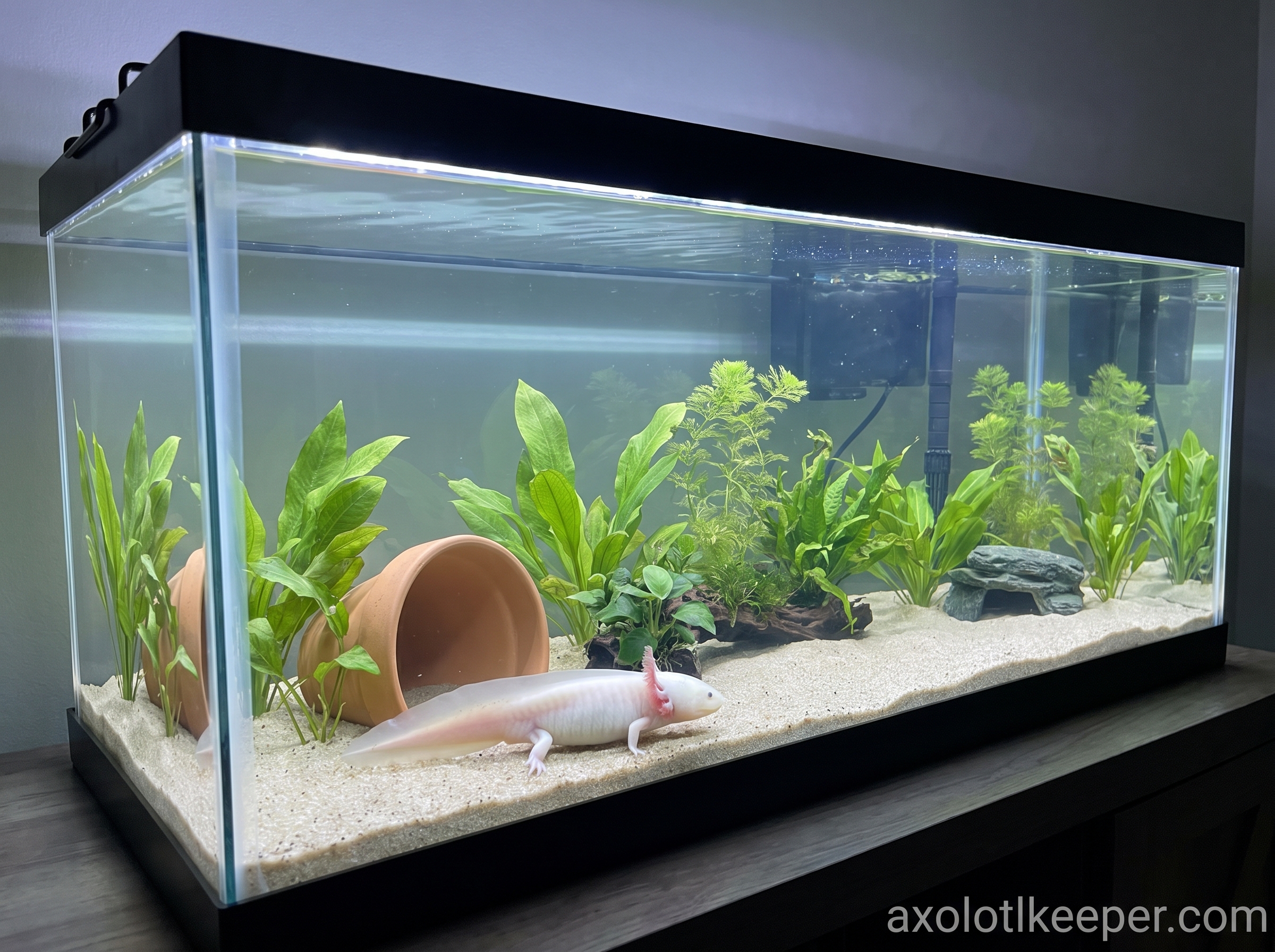
Once you have selected the appropriate tank size, setting up the environment is the next crucial step. Here are some key considerations to keep in mind when preparing your axolotl’s habitat. Each element contributes to the overall health and happiness of your pet, making this setup a critical aspect of axolotl care.
Substrate Choices
Choosing the right substrate is important for both the health of your axolotl and the cleanliness of the tank. Options include bare bottom tanks, sand, or fine gravel. Bare bottoms are easier to clean, while sand can provide a more natural feel. However, avoid using large gravel, as it poses a risk of impaction if ingested. Impaction can lead to severe digestive issues that may require veterinary intervention.
Additionally, the type of substrate can influence the water quality in the tank. Some substrates can harbor bacteria if not maintained properly, leading to increased ammonia levels. Therefore, if you opt for sand, ensure it is thoroughly rinsed before placing it in the tank to remove any dust and debris that could cloud the water or harm your axolotl.
📖 Baca juga: Unlocking the Perfect Axolotl Tank Size: What You Need to Know
Water Quality and Filtration
Maintaining high water quality is vital for your axolotl’s health. Install a reliable filtration system to help keep the water clean and clear. Make sure to cycle your tank before introducing your axolotl to establish beneficial bacteria that break down waste. This cycling process can take several weeks but is necessary to create a stable environment for your axolotl.
Moreover, regularly testing the water parameters, including pH, ammonia, nitrite, and nitrate levels, is essential. Axolotls thrive in slightly acidic to neutral pH levels (around 6.5 to 7.5). Keeping these parameters stable will prevent stress and health issues. If you discover any abnormalities in the water quality, address them immediately to protect your axolotl.
Temperature and Lighting Needs
Axolotls prefer cooler water temperatures, ideally between 60°F to 68°F (15°C to 20°C). Avoid direct sunlight and bright lights, as they can raise water temperatures and stress your axolotl. Instead, opt for dim lighting or natural light from a window, ensuring it doesn’t heat the tank. Overheating can lead to lethargy and other health issues in axolotls, so monitoring the water temperature is essential.
When setting up the lighting, consider using LED lights that emit less heat, or position your tank away from direct sunlight. If your environment tends to heat up, investing in a water chiller can help maintain optimal temperatures. This proactive measure ensures your axolotl remains comfortable and healthy in its habitat.
Feeding Your Axolotl in Its Tank
Feeding your axolotl appropriately is crucial for its growth and overall health. A well-fed axolotl will thrive in its environment. However, feeding must be done carefully to avoid overfeeding, which can lead to water quality issues and health problems.
Types of Food
Axolotls are carnivorous and enjoy a diet of high-quality pellets, live worms, and small fish. Make sure to provide food that is appropriately sized for your axolotl to prevent choking hazards. For instance, earthworms and bloodworms are excellent choices, as they are not only nutritious but also mimic the axolotl’s natural diet in the wild.
It’s also important to vary their diet occasionally to ensure they receive a balanced nutrition profile. Including different protein sources such as shrimp, insects, and specially formulated axolotl pellets can contribute to their overall health and vitality. This variety can help prevent nutritional deficiencies and promote a stronger immune system.
Feeding Frequency
Young axolotls require more frequent feeding, typically every day, while adults can be fed every other day or every three days. Monitor your axolotl’s growth and adjust feeding schedules accordingly. Overfeeding can lead to obesity, which is a common issue in captive axolotls that can have serious health implications.
It’s also beneficial to observe your axolotl during feeding times to ensure it is eating adequately and to spot any potential health concerns early on. If you notice a decline in appetite, it could be a sign of stress or illness that needs to be addressed promptly.
Cleaning Up After Feeding
After feeding, it’s essential to remove any uneaten food to prevent ammonia spikes in the tank. Regular water changes and tank maintenance will help keep your axolotl’s environment clean and healthy. Leftover food can decompose, releasing harmful toxins that can compromise the water quality.
In addition to removing uneaten food, consider performing partial water changes of 20-30% weekly to maintain optimal conditions. This practice helps dilute any harmful substances that may accumulate and contributes to a healthier habitat overall. Keeping a consistent cleaning schedule also minimizes the risk of sudden changes in water chemistry that can stress your axolotl.
Common Mistakes to Avoid When Setting Up Your Axolotl Tank
Setting up a tank for your axolotl can be straightforward, but there are common pitfalls that new owners should avoid. Understanding these mistakes can save you time, effort, and ultimately ensure the health of your pet.
📖 Baca juga: The Ultimate Guide to Choosing the Best Substrate for Your Axolotl Tank
Choosing the Wrong Size Tank
One of the biggest mistakes is selecting a tank that is too small. A cramped environment can lead to stress and health problems for your axolotl. Stick to the recommended minimum size of 20 gallons for a single axolotl. If you plan to keep more than one axolotl, increase the tank size accordingly to provide each animal with adequate space.
Furthermore, remember that a larger tank not only benefits your axolotl but also simplifies maintenance by providing more stable water conditions. A well-sized tank is the foundation of a thriving aquatic environment that promotes the well-being of your axolotl.
Ignoring Water Quality
Many new owners underestimate the importance of water quality. Regular testing and maintenance are crucial to ensure a safe habitat for your axolotl. Invest in a good water testing kit and perform routine water changes to maintain optimal conditions. Ignoring water quality can lead to a series of health issues that may be difficult to reverse once established.
Additionally, consider using dechlorinated water when filling your tank, as chlorine and chloramine found in tap water can be harmful to axolotls. Allowing tap water to sit for 24 hours can help dissipate chlorine, but using a water conditioner is a more reliable method to ensure your axolotl’s safety.
Overcrowding with Decorations
While it’s essential to provide hiding spots and enrichment, overcrowding the tank with decorations can restrict swimming space. Choose a few key items rather than filling the tank to the brim. Strategic placement of decorations can create a more natural environment while still allowing your axolotl ample room to move around freely.
Consider using larger decorations that provide hiding spots without taking up excessive space. Additionally, ensure that any decorations are smooth-edged and free from sharp points to prevent injury to your axolotl. A well-thought-out arrangement not only benefits your axolotl but also enhances the aesthetic appeal of the tank.
Conclusion: Ensuring Your Axolotl’s Well-Being
Choosing the right axolotl tank size for one is critical for providing a healthy and enriching environment. A minimum of 20 gallons, along with proper care and maintenance, can significantly enhance your axolotl’s quality of life. By considering factors like tank dimensions, water quality, and feeding practices, you can create a thriving habitat for your unique aquatic pet.
Investing time and effort into understanding your axolotl’s needs will not only ensure its health but also deepen your bond with this fascinating creature. By prioritizing the essentials of axolotl care, you will create a nurturing environment that allows your axolotl to flourish. Happy axolotl keeping!
Frequently Asked Questions (FAQ)
What is the ideal tank size for one axolotl?
The ideal tank size for one axolotl is at least 20 gallons. This provides enough space for swimming and helps maintain stable water conditions.
Can I keep two axolotls in a 20-gallon tank?
It’s recommended to have at least 10 gallons per axolotl. Therefore, a 20-gallon tank is suitable for one, but you should consider a larger tank if keeping two axolotls.
What type of filtration is best for an axolotl tank?
A sponge filter or a gentle canister filter is ideal for an axolotl tank. These options provide adequate filtration without creating strong currents that can stress the axolotl.
How often should I change the water in an axolotl tank?
Regular water changes of about 20-30% weekly are recommended to maintain water quality. Always test the water parameters before and after changes.