
In the realm of amphibians, few creatures capture the imagination like the axolotl. Among these extraordinary beings, the chimera axolotl stands out as a true marvel of nature, showcasing an intriguing blend of genetic traits. This article delves into the captivating characteristics, care requirements, and the science behind these unique creatures, revealing why they have become a favorite among enthusiasts and researchers alike.
Understanding Chimera Axolotls
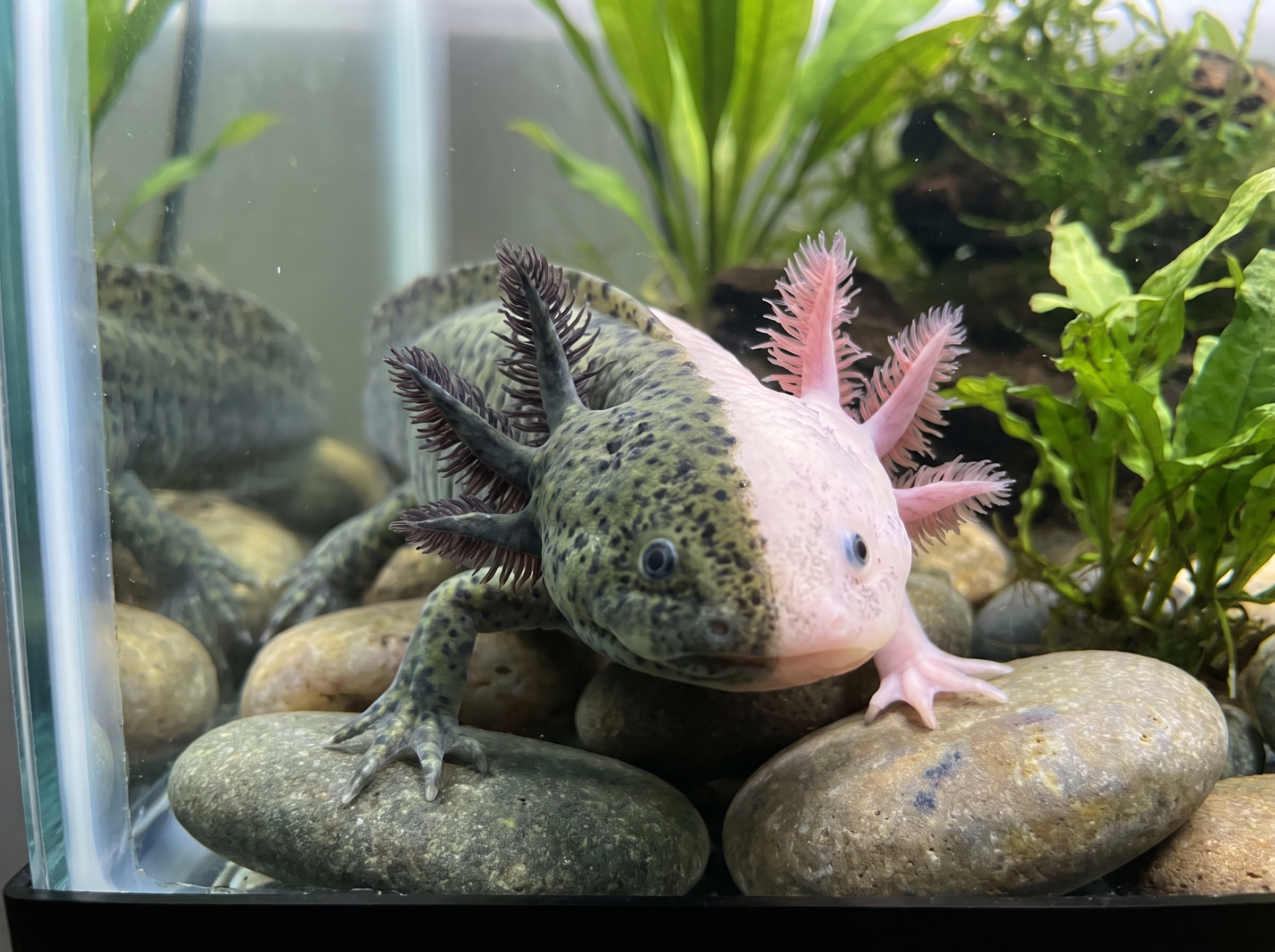
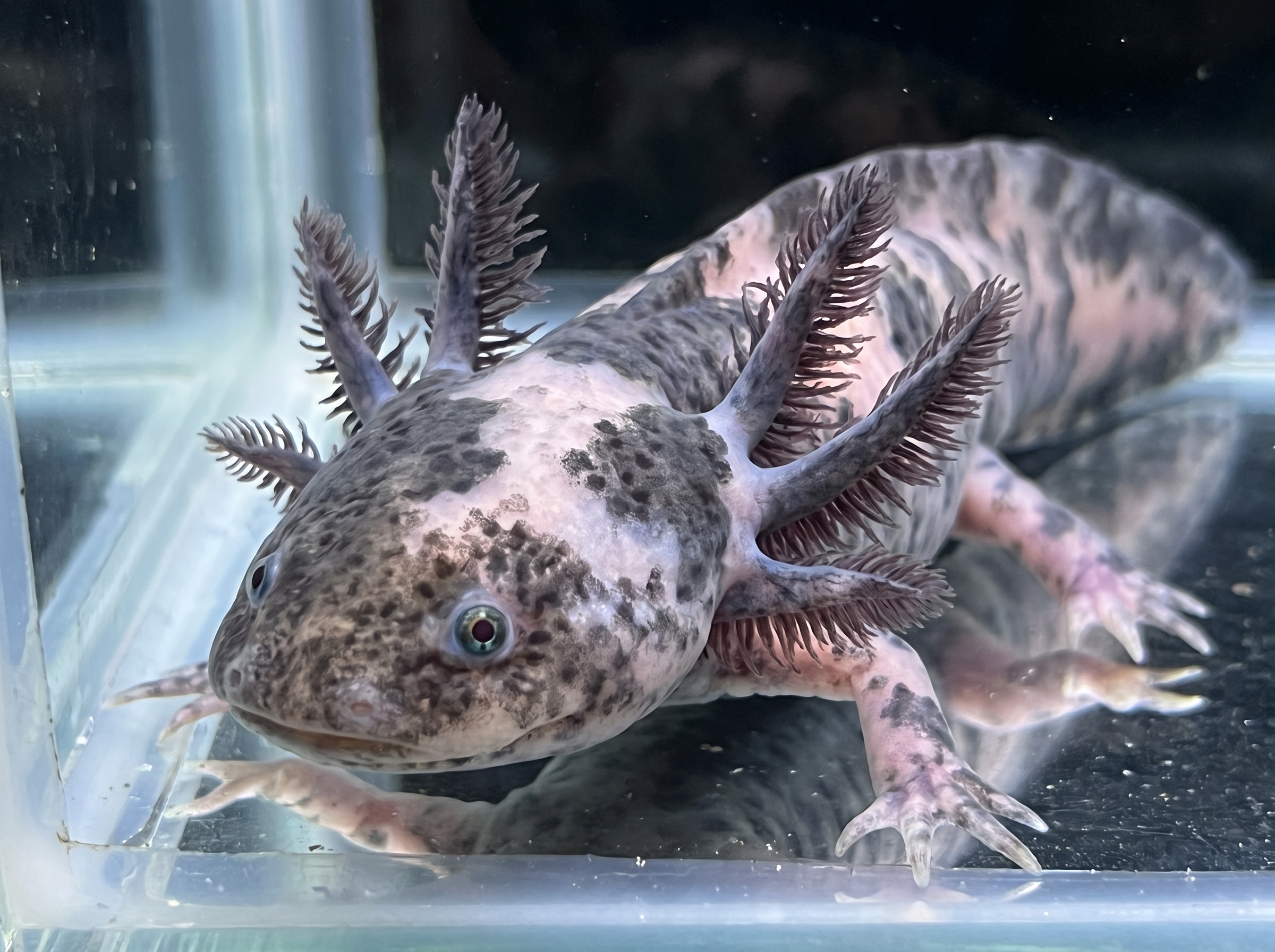
The chimera axolotl is not just a variation of the standard axolotl; it represents a fascinating genetic phenomenon where two distinct cell lines coexist within a single organism. This occurs when two embryos merge during early development, resulting in a creature that exhibits traits from both genetic backgrounds. As a result, chimera axolotls can display a striking mix of colors and patterns, making each individual a unique specimen.
This genetic mixing does not only affect the outward appearance; it also has implications for the behaviors and physiological traits of the chimera axolotls. For instance, the unique combination of genetic traits can influence how they respond to environmental stressors, their growth rates, and even their susceptibility to diseases. Understanding this genetic makeup is crucial for both breeders and hobbyists who wish to appreciate or cultivate these extraordinary animals.
The phenomenon of chimerism is not exclusive to axolotls; it can be observed in various species across the animal kingdom, including mammals and birds. However, axolotls are particularly noteworthy due to their regenerative abilities and their status as an endangered species, making the study of chimera axolotls not only intriguing but also significant for conservation efforts. The genetic diversity within a single chimera can provide insights into how genetic variation contributes to resilience in changing environments.
Physical Characteristics of Chimera Axolotls
The physical traits of chimera axolotls can be incredibly diverse, presenting a colorful tapestry that reflects their unique genetic background. The coloration can range from the classic pink and white to vibrant yellows, greens, and even darker shades. This variety is a direct result of the different genetic contributions from the chimeric embryos. The appearance of their gills can also vary, with some chimera axolotls displaying feathery, bright red structures, while others may have darker or even mottled gills, adding to their unique charm.
Moreover, the physical characteristics of chimera axolotls can change as they mature. For example, young axolotls may present one color pattern, which can shift as they grow older due to the expression of different genes over time. This adds an additional layer of fascination for keepers and researchers alike, as they observe the transformations and developments in their axolotls throughout their life stages.
Color Patterns
One of the most fascinating aspects of chimera axolotls is their color patterns. These patterns can manifest in various ways, showcasing the incredible diversity that arises from their unique genetic makeup:
- Spots and blotches: Some chimera axolotls display random spots or blotches of different colors, creating a visually striking appearance that can make each individual look like a living work of art. These random patterns often lead to endless discussions among enthusiasts about the genetics behind each unique combination.
- Gradient transitions: Others may have smooth gradient transitions between colors, showcasing a seamless blend of hues that can appear almost ethereal. These gradients can range from soft pastels to vibrant, eye-catching colors, making them appealing to both casual observers and serious collectors.
- Unique markings: Each chimera can possess its own unique set of markings, making them truly one-of-a-kind. This uniqueness can be a major factor in their appeal among axolotl enthusiasts and can drive the market for breeding and selling these extraordinary animals.
Understanding these physical characteristics is essential for anyone interested in breeding or caring for chimera axolotls, as it can influence their health and well-being. The visual diversity they present also serves as a reminder of the wonders of genetic variation in nature.
Size and Growth Rate
Chimera axolotls generally grow to similar sizes as their non-chimeric counterparts, typically reaching lengths of 25 to 30 centimeters (about 10 to 12 inches). Their growth rate can be influenced by several factors, including diet, water quality, and habitat conditions. For instance, axolotls that are kept in optimal environments with clean water and a balanced diet tend to grow faster and healthier than those in less-than-ideal conditions.
Maintaining optimal conditions is crucial for ensuring healthy growth. Providing a balanced diet rich in protein, along with clean water and proper tank conditions, will help chimera axolotls thrive and reach their full potential. Additionally, regular water changes and monitoring of tank parameters are essential to prevent stress and promote healthy growth rates.
Furthermore, the growth rate can also vary between individuals, as some may grow faster due to genetic predispositions or differences in environmental exposure. Keeping track of these variations can help breeders select for desirable traits in future generations, making understanding growth dynamics a key part of responsible axolotl husbandry.
Health Considerations
Like all axolotls, chimera axolotls are susceptible to various health issues, including infections, environmental stress, and genetic weaknesses. Regular monitoring of water parameters, such as pH, ammonia levels, and temperature, is essential for maintaining their health. Stress can significantly impact their immune systems, leading to increased susceptibility to diseases.
📖 Baca juga: Discover the Enigmatic Firefly Axolotl: Nature’s Glowing Marvel!
Additionally, providing a stress-free environment with hiding spots and appropriate tank mates can significantly enhance their well-being. Axolotls are solitary creatures by nature, and overcrowding or aggressive tank mates can lead to stress and health issues. Therefore, it’s crucial to research compatible species if you wish to keep them in a community tank.
Regular health checks, including monitoring for physical signs of illness such as changes in coloration, appetite, or behavior, can help in the early detection of potential health issues. Awareness of their unique needs is key to ensuring these fascinating creatures live long, healthy lives.

Caring for Chimera Axolotls
Caring for chimera axolotls requires a blend of knowledge and commitment. While they are relatively easy to care for compared to other exotic pets, there are specific considerations to keep in mind to ensure their health and happiness. Understanding their unique needs will help you create an environment where they can thrive.
Tank Setup
Creating a suitable habitat for chimera axolotls is vital for their health and happiness. Here are some essential elements to consider when setting up their tank:
- Size: A minimum tank size of 20 gallons is recommended for a single axolotl, with additional space required for each additional axolotl. This spacious environment allows them to swim freely and reduces stress.
- Substrate: A soft substrate, such as sand or bare bottom, is ideal for preventing accidental ingestion and promoting easy cleaning. Gravel should be avoided, as axolotls may swallow it while foraging, leading to health complications.
- Filtration: A good filtration system is necessary to maintain water quality, as axolotls produce a significant amount of waste. Regular maintenance of the filter and tank is also crucial to prevent harmful bacteria from proliferating.
In addition to these elements, providing decorations such as plants or hiding spots can enhance their habitat. Live or artificial plants can create a more natural environment and offer additional surfaces for them to explore. It’s important to ensure that any decorations are smooth and free of sharp edges to avoid injuring their sensitive skin.
Feeding Guidelines
Chimera axolotls have a carnivorous diet, and their feeding habits should reflect this. A well-rounded diet includes:

- Worms: Bloodworms and earthworms are excellent protein sources that promote healthy growth. These can be offered live or frozen, depending on the availability and preference.
- Pellets: High-quality axolotl pellets can provide balanced nutrition, ensuring they receive essential vitamins and minerals. It’s important to select pellets specifically formulated for axolotls, as regular fish food may not meet their dietary needs.
- Live food: Offering live food occasionally can stimulate natural hunting behaviors and provide enrichment. This could include small insects or aquatic invertebrates, which can also enhance their diet.
Feeding should be done 2-3 times a week, with careful attention to portion sizes to prevent overfeeding. Overfeeding can lead to obesity and other health complications, so monitoring their weight and adjusting the diet accordingly is essential.
Handling and Interaction
While axolotls can be handled, it is generally not recommended due to their delicate skin and susceptibility to stress. If handling is necessary, ensure that hands are wet to prevent damage to their skin. Axolotls have permeable skin that can absorb chemicals from hands, so it is important to maintain a clean environment during any handling.
Instead of handling, focus on providing enrichment in their environment, such as plants and decorations that allow them to explore and interact naturally. Creating a stimulating habitat will not only keep them happy but also reduce the likelihood of stress-related health issues.
The Fascination Behind Chimera Axolotls
The allure of chimera axolotls extends beyond their physical beauty. They represent a unique intersection of genetics and biology, prompting interest from scientists and hobbyists alike. Researchers study these creatures to gain insights into genetic variation, regeneration, and embryonic development, with implications that reach far beyond the world of amphibians.
Scientific Research and Implications
The study of chimera axolotls has implications for various scientific fields, including genetics, developmental biology, and regenerative medicine. By understanding how different genetic lines coexist and influence development, scientists can unlock new avenues for research and potential applications in human medicine. For example, insights gleaned from axolotl regeneration may lead to advancements in healing wounds or repairing damaged tissues in humans.
📖 Baca juga: Unlocking the Secrets of GFP Axolotls: Nature’s Glow-in-the-Dark Wonders
Moreover, research into the genetics of chimerism can provide valuable information about genetic disorders and contribute to the field of gene therapy. The mechanisms that allow axolotls to regenerate their limbs and organs may inspire novel approaches to treating injuries and diseases in humans, highlighting the importance of studying these remarkable creatures.
Conservation Efforts
As an endangered species, axolotls, including chimera variants, face numerous threats in their natural habitat. Conservation efforts aim to protect these unique creatures and their ecosystems. Habitat destruction, pollution, and invasive species have severely impacted their populations, making it crucial to implement effective conservation strategies.
Breeding programs and habitat restoration initiatives are crucial to ensuring their survival and preventing extinction. Zoos and aquariums play a pivotal role in breeding chimera axolotls and educating the public about their plight. Collaborative efforts among researchers, conservationists, and the public can contribute to the revitalization of axolotl populations in the wild.
Community and Enthusiast Engagement
The community surrounding axolotls is vibrant and passionate. Many enthusiasts share their experiences, breeding tips, and care advice through forums and social media. Engaging with this community can enhance your understanding of chimera axolotls and provide support for both new and experienced keepers.
Additionally, attending conventions and workshops focused on amphibians can further deepen your knowledge and connect you with experts in the field. This engagement not only enriches your experience as an axolotl keeper but also fosters a greater sense of responsibility towards conservation efforts.
Conclusion
The chimera axolotl embodies the wonders of nature and the complexities of genetics. Its unique appearance and fascinating biological traits make it a captivating subject for study and a beloved pet for many. By understanding their care requirements and the scientific significance behind these creatures, we can appreciate their beauty while contributing to their conservation. Whether you are a seasoned enthusiast or a curious newcomer, the world of chimera axolotls offers endless opportunities for discovery and enjoyment.
Frequently Asked Questions (FAQ)
What is a chimera axolotl?
A chimera axolotl is a unique variation of the standard axolotl, characterized by the presence of two distinct genetic cell lines within a single individual, resulting in diverse color patterns and traits.
How do I care for a chimera axolotl?
Caring for a chimera axolotl involves providing a suitable tank environment, a balanced diet, and regular monitoring of water quality to ensure optimal health.
Can chimera axolotls regenerate like regular axolotls?
Yes, chimera axolotls possess the same remarkable regenerative abilities as their non-chimeric counterparts, allowing them to regrow limbs and heal from injuries.
Are chimera axolotls endangered?
Yes, axolotls, including chimera varieties, are classified as endangered due to habitat loss and pollution, making conservation efforts critical for their survival.