

Melanoid axolotls, known for their striking dark pigmentation and charming personalities, have captured the hearts of many aquatic enthusiasts. These fascinating creatures, a unique variant of the axolotl species, not only boast a captivating appearance but also offer intriguing insights into the field of regenerative biology. In this article, we’ll explore the characteristics, care requirements, and the broader significance of melanoid axolotls, making it a must-read for anyone interested in these incredible amphibians.
Understanding the Melanoid Axolotl
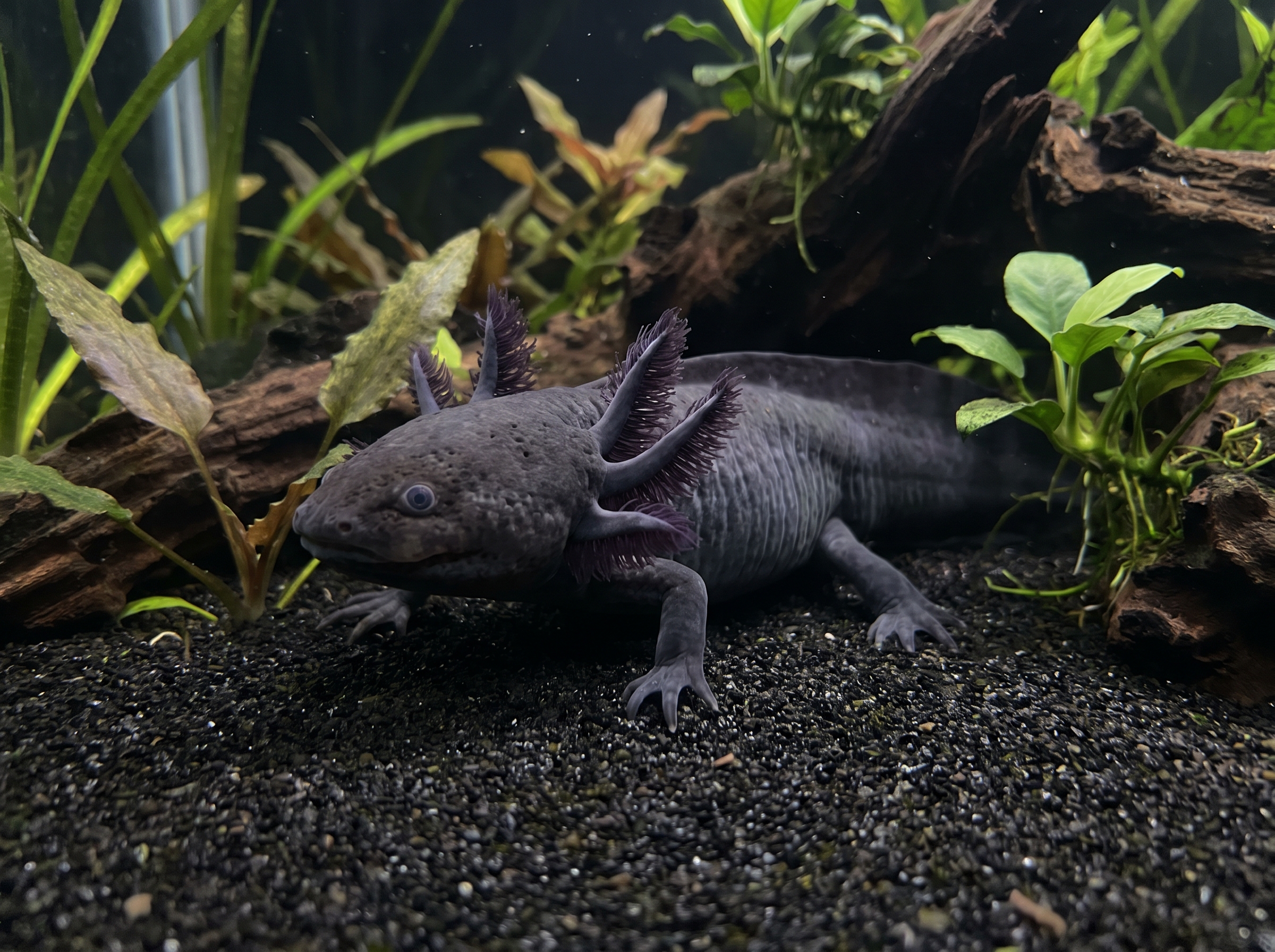
The melanoid axolotl is a unique color variant of the standard axolotl, primarily characterized by its dark, almost black skin. This pigmentation results from a genetic mutation affecting melanin production, giving them a striking appearance that sets them apart from their lighter counterparts. Melanoid axolotls are scientifically classified as Ambystoma mexicanum and are native to the ancient lakes of Mexico. Their dark coloration not only makes them visually appealing but also serves as a reminder of their unique evolutionary path.
Unlike the typical axolotl, which displays a range of colors including leucistic and golden albino, melanoid axolotls lack the typical iridophores, which are cells that reflect light and create a shimmering effect. This absence contributes to their dark, solid color, making them a favorite among collectors and enthusiasts alike. The melanoid variety is particularly popular in the aquarium trade, where their unusual coloration can be a striking addition to any aquatic setup.

Physical Characteristics
Melanoid axolotls exhibit several distinct physical traits that contribute to their charm and uniqueness:
- Dark Pigmentation: Their skin is predominantly black or dark brown, providing a stark contrast to the vibrant colors of other axolotl variants. This pigmentation is not only aesthetically pleasing but also serves to camouflage them in their natural habitat, helping them evade predators.
- External Gills: Like all axolotls, melanoids possess feathery external gills that help them breathe underwater. These gills are not just functional; they also add to the axolotl’s unique appearance, resembling delicate fronds that flutter in the water.
- Body Structure: They have a robust body and a broad head, typical of the axolotl species, allowing them to thrive in their aquatic environment. This sturdy physique aids in their swimming abilities, enabling them to navigate their surroundings efficiently.
Additionally, melanoid axolotls can grow to a length of up to 12 inches, with females often being larger than males. Their growth rate can be influenced by factors such as diet, water quality, and overall care. An ideal environment can help them reach their full potential, making it crucial for owners to provide proper care and habitat conditions.
Behavioral Traits
In addition to their physical attributes, melanoid axolotls are known for their unique personalities that endear them to aquarists:
- Curiosity: These creatures are naturally curious, often exploring their surroundings by investigating plants and decorations in their habitat. Their inquisitive nature can lead to entertaining interactions, as they may investigate new objects or changes in their environment.
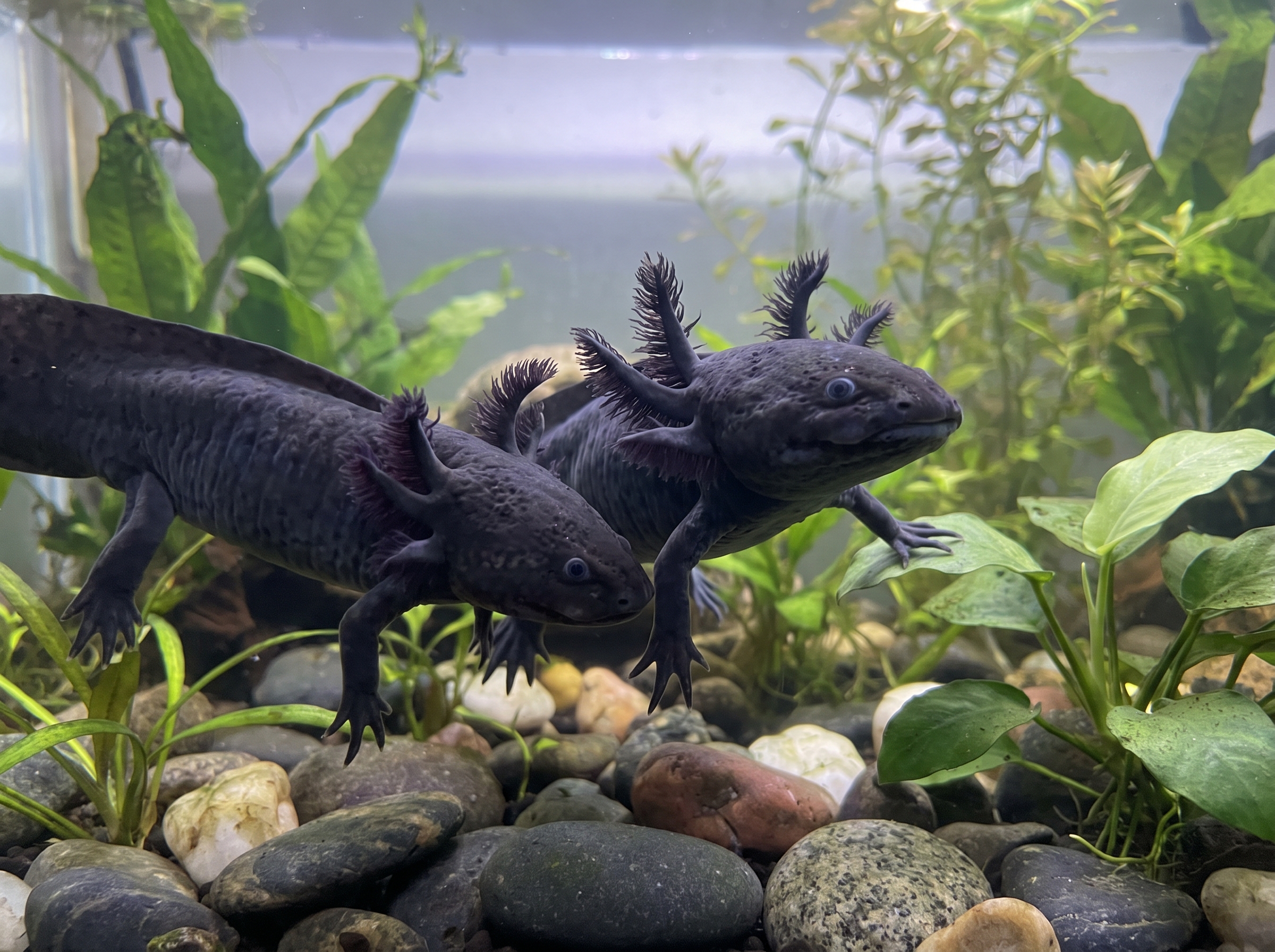
- Social Interaction: While they can be kept in groups, care must be taken to ensure that they do not exhibit aggressive behavior towards one another. Understanding their social dynamics is important; providing enough space and hiding spots can help reduce stress and territorial disputes among multiple axolotls.
- Feeding Habits: Melanoid axolotls are carnivorous and primarily feed on worms, small fish, and specially formulated pellets. Their feeding behavior is often characterized by a gentle but efficient approach, using their wide mouths to capture prey swiftly.
Moreover, these amphibians are known to exhibit certain behaviors that reflect their well-being. For instance, a healthy axolotl will remain active and curious, while lethargy or hiding can indicate stress or health issues. Observing these behavioral traits is essential for any owner to maintain the health of their pet.
Care Requirements for Melanoid Axolotls
Caring for melanoid axolotls requires an understanding of their specific needs to ensure they thrive in captivity. Here are some essential care guidelines:
📖 Baca juga: Discover the Enigmatic White Albino Axolotl: Nature’s Aquatic Wonder
Tank Setup
Creating an optimal environment is crucial for the health of your melanoid axolotl. The right tank setup can significantly impact their well-being:
- Tank Size: A minimum of 20 gallons is recommended for a single axolotl, with additional space for each additional axolotl. A larger tank not only provides more swimming space but also helps maintain stable water conditions, reducing stress on the animals.
- Water Quality: Maintain clean, filtered water with a pH level between 6.5 and 7.5. Regular water changes are essential to prevent the buildup of harmful toxins. Utilizing a high-quality filter designed for aquarium use can help ensure optimal water conditions, benefiting the axolotl’s health.
- Temperature: The ideal water temperature ranges between 60°F to 68°F (15°C to 20°C). Avoid temperatures above 75°F (24°C) as it can stress the axolotl. Monitoring the temperature with an aquarium thermometer can help prevent sudden fluctuations that could harm your axolotl.
Additionally, providing appropriate substrate and decorations is important. Smooth gravel or sand can prevent injuries, while live or artificial plants can offer hiding spots and enrichment for the axolotl’s environment. Ensuring that the tank is visually stimulating can also promote natural behaviors and reduce stress.
Feeding and Nutrition
A balanced diet is vital for the health of melanoid axolotls. Ensuring they receive proper nutrition supports their growth and vitality:
- Diet Composition: Provide a variety of foods such as earthworms, bloodworms, and specialized axolotl pellets. These food sources should be rich in protein and nutrients to sustain their health. Additionally, commercial axolotl food can be supplemented with fresh offerings to diversify their diet.
- Feeding Frequency: Young axolotls should be fed daily, while adults can be fed every other day. Monitoring their intake can help adjust the feeding schedule based on individual needs, as some axolotls may eat more or less than others.
- Avoid Overfeeding: Monitor their intake to prevent obesity and related health issues. Overfeeding can lead to digestive problems, so it’s important to provide just enough food that they can consume within a few minutes.
Additionally, ensuring that food items are appropriately sized is crucial. Small pieces that can be easily swallowed will prevent choking and promote a healthy feeding experience. Experimenting with different food types can also help identify what your axolotl prefers, ensuring they receive a varied diet.
Health Monitoring
Regular health checks are important for early detection of any issues with your melanoid axolotl:
- Skin Health: Look for signs of infection, such as discoloration or lesions. Proper water quality and tank maintenance can help prevent skin issues, as poor conditions can lead to infections.
- Behavioral Changes: Sudden changes in behavior, such as lethargy or lack of appetite, may indicate health problems. Being attentive to these signs can enable prompt action, whether it involves adjusting care or consulting a veterinarian.
- Regular Vet Check-ups: Consider consulting a veterinarian specializing in amphibians for routine health assessments. Professional guidance can help address any concerns before they escalate, ensuring the long-term health of your axolotl.
Keeping a close eye on your axolotl’s health, including their eating habits and physical appearance, can help you maintain their well-being. Establishing a routine for monitoring their condition can also make it easier to spot any developing issues early on.
The Significance of Melanoid Axolotls in Research
Melanoid axolotls are not just fascinating pets; they play a significant role in scientific research, particularly in the field of regenerative medicine. Their unique biological traits provide invaluable insights into various scientific domains:
Regenerative Abilities
One of the most remarkable traits of axolotls is their ability to regenerate lost body parts, including limbs, tails, and even parts of their heart and brain. Understanding the mechanisms behind this regeneration could have profound implications for human medicine:
- Tissue Regeneration: Researchers study axolotls to uncover the biological processes that enable them to regenerate tissues, which could lead to advancements in healing injuries in humans. Insights gained from axolotl regeneration are paving the way for innovative therapies that could enhance healing in humans.
- Genetic Studies: The unique genetic makeup of melanoid axolotls provides insights into developmental biology and genetic engineering. By examining their genomes, scientists hope to unravel the mysteries of regenerative capabilities and how they can be applied to other species, including humans.
- Environmental Adaptation: Studying their adaptations to changing environments can help in understanding evolutionary processes. The axolotl’s ability to thrive in various conditions can inform conservation strategies for other species facing habitat challenges.
These research opportunities not only elevate the axolotl’s status in scientific communities but also contribute to broader ecological and medical discussions. As scientists continue to study these remarkable creatures, the potential benefits could extend far beyond the realm of amphibians.
📖 Baca juga: Discover the Alluring Golden Albino Axolotl: Nature’s Unique Wonder
Conservation Efforts
Melanoid axolotls, like their non-melanoid counterparts, are critically endangered in the wild due to habitat destruction and pollution. Conservation efforts are crucial to ensure their survival:
- Habitat Restoration: Programs aimed at restoring natural habitats can help improve the survival rates of wild axolotls. These initiatives often involve collaboration with local communities and organizations to rehabilitate the ecosystems where axolotls are found.
- Captive Breeding: Breeding programs in captivity support population recovery and genetic diversity. These programs are essential for maintaining genetic health and ensuring that axolotls remain viable in the wild and for conservation efforts.
- Public Awareness: Raising awareness about the plight of axolotls can foster support for conservation initiatives. Education campaigns can engage the public and encourage individuals to take action, whether through advocacy or participation in conservation programs.
By participating in and supporting these conservation efforts, individuals can contribute to the ongoing survival of melanoid axolotls. Every action, whether big or small, can play a part in preserving these extraordinary creatures for future generations.
Conclusion: The Allure of Melanoid Axolotls
Melanoid axolotls are not just captivating aquatic pets; they are also vital to scientific research and conservation. Their unique characteristics and regenerative abilities make them a subject of fascination for both hobbyists and researchers. By understanding their care requirements and supporting conservation efforts, we can ensure that these remarkable creatures continue to thrive for generations to come.
Frequently Asked Questions (FAQ)
What is the lifespan of a melanoid axolotl?
Melanoid axolotls can live for up to 10 to 15 years in captivity with proper care, including a suitable environment and diet. Their longevity is often a reflection of the quality of care they receive, making it essential for owners to be attentive to their needs.
Can melanoid axolotls change color?
Unlike some other amphibians, melanoid axolotls do not change color. Their pigmentation remains consistent throughout their lives, primarily due to their genetic makeup. This stability adds to their allure, as owners can appreciate their unique coloration without the unpredictability associated with color changes.
How do I breed melanoid axolotls?
Breeding melanoid axolotls involves ensuring proper conditions such as water temperature and tank setup, along with providing a suitable breeding environment. It’s best to research specific breeding practices for success. Successful breeding can contribute to the conservation of this beautiful species.
Are melanoid axolotls good pets for beginners?
Yes, melanoid axolotls can be good pets for beginners as long as their specific care requirements are met, including tank size, water quality, and diet. Their manageable needs, combined with their fascinating behaviors, make them an excellent choice for novice aquarists.