
Axolotls are fascinating aquatic creatures that require a specific environment to thrive. One of the most critical aspects of maintaining a healthy axolotl tank is the filtration system. With so many options available, it can be overwhelming to determine which filter is best suited for your axolotl’s habitat. In this article, we will explore various types of filters and provide you with essential tips to ensure your axolotl remains happy and healthy.
Choosing the right filter is not just about keeping the water clean; it also affects the overall health and happiness of your axolotl. Filters help maintain water quality by removing waste, toxins, and uneaten food, which can harm your pet. In this guide, we’ll break down the top filters for axolotl tanks, their benefits, and what to consider when making your choice.
We’ll also address common misconceptions about filtration systems and offer practical advice based on the needs of axolotls. This is an essential read for both new and experienced axolotl owners who want to create the best living environment for their unique pets.
Top Filters for Axolotl Tanks
When selecting the best filter for your axolotl tank, it’s vital to consider several factors, including the size of the tank, the flow rate of the filter, and the specific needs of axolotls. Axolotls are sensitive to strong currents, so finding a filter that provides adequate filtration without creating excessive water movement is crucial. Below, we’ve compiled a list of the top filters that are well-suited for axolotl tanks.
Canister Filters
Canister filters are often regarded as one of the best options for axolotl tanks due to their high efficiency and versatility. These filters are external units that provide excellent mechanical, chemical, and biological filtration. They can handle larger tanks, making them perfect for multi-axolotl setups. The size and power of a canister filter allow for thorough cleaning of the water, which is essential in preventing the buildup of harmful substances.
One of the significant advantages of canister filters is their ability to customize filter media, allowing you to tailor the filtration process to your tank’s specific needs. You can use various types of media, such as activated carbon for chemical filtration, sponges for biological filtration, and filter pads for mechanical filtration. Additionally, canister filters typically have adjustable flow rates, which is essential for preventing strong currents that could stress your axolotls. This feature allows you to finely tune the water movement to ensure a calm environment.
Internal Filters
Internal filters are another viable option for axolotl tanks, especially for smaller setups. These filters are submerged in the aquarium and can provide adequate filtration while being relatively easy to maintain. Internal filters are often more budget-friendly than canister filters and take up less space, making them an excellent choice for those with limited tank space or for beginners who are just starting their axolotl journey.
However, they may not be as powerful as canister filters, and it’s essential to choose one with adjustable flow settings to avoid disrupting your axolotl’s environment. Look for models that offer multiple filtration stages, as this can enhance water quality. Regular maintenance is also crucial, as internal filters can become clogged more quickly than external options, especially if there is a high bioload in the tank. Cleaning the filter every few weeks will ensure it operates efficiently and effectively.
Sponge Filters
Sponge filters are an excellent choice for axolotl tanks due to their gentle filtration process. These filters utilize a sponge as the main filtration medium, which provides biological filtration while producing minimal water movement. This is particularly important for axolotls, which prefer calm waters. The sponge also serves as an ideal surface for beneficial bacteria to colonize, which helps in breaking down harmful waste products in the tank.
Sponge filters are also incredibly easy to clean and maintain, making them a popular choice among aquarists. They are ideal for breeding tanks or smaller axolotl habitats, as they provide a safe environment for delicate baby axolotls. When maintaining sponge filters, you can simply rinse the sponge in tank water during water changes to remove debris without killing the beneficial bacteria. This helps in sustaining a healthy and stable ecosystem within the tank.
Factors to Consider When Choosing a Filter
Before making a decision on which filter to purchase, there are several factors to consider that will ensure the well-being of your axolotl. Understanding these factors can help you make an informed choice that meets your pet’s specific needs. By evaluating each aspect carefully, you can create an optimal environment for your aquatic pet.
 📖 Read also:
The Ultimate Guide to the Best Tank for Your Axolotl: Create the Perfect Habitat!
Tank Size
The size of your axolotl tank plays a significant role in determining the type of filter you should choose. Larger tanks typically require more powerful filtration systems to maintain water quality. For example, a 20-gallon tank may benefit from a canister filter, while a smaller 10-gallon tank might be suited for an internal or sponge filter. It’s crucial to ensure that the filter’s capacity matches the tank size to provide effective filtration.
Moreover, the number of axolotls you plan to keep is also a consideration. Each axolotl produces waste, contributing to the tank’s bioload. Therefore, a larger tank with a capable filter will not only support the existing axolotls but also allow for potential growth in your aquatic family. This foresight will help you avoid issues related to overcrowding and poor water quality in the future.
Flow Rate
Flow rate is another critical factor to consider, as axolotls do not thrive in strong currents. Look for filters with adjustable flow rates or those specifically designed for low flow environments. This will help keep the water calm and comfortable for your axolotl. An ideal flow rate should be gentle enough to avoid stressing your axolotl while still providing adequate circulation for filtration.
It’s also worth noting that you can manipulate the flow within the tank by strategically placing decorations or plants to diffuse the water movement. Additionally, some filters come with flow control features that allow you to adjust the speed easily, ensuring that your axolotl can swim freely without being pushed around by strong currents.
Maintenance Requirements
Different filters have varying maintenance needs. Canister filters may require more extensive cleaning and media replacement compared to sponge filters. It’s essential to choose a system that fits your lifestyle and maintenance preferences, ensuring that you can provide consistent care for your axolotl. Regular maintenance not only helps in keeping the water clean but also prolongs the life of the filter itself.
For example, canister filters typically need the filter media to be replaced every few months, whereas sponge filters can be cleaned and reused multiple times. Understanding the maintenance demands of your chosen filter will help you manage your time effectively and keep your axolotl’s home in pristine condition.
Common Misconceptions About Axolotl Filters
There are several myths surrounding the filtration needs of axolotls that can lead to confusion among new owners. Understanding these misconceptions can help you make better choices for your pet. By addressing these myths, you can ensure that you provide the best environment for your axolotl.
Myth: All Filters Are the Same
Many people assume that all filters provide the same level of filtration, but this is far from true. Different types of filters serve various purposes and have unique features that cater to specific aquatic environments. For example, canister filters are great for larger tanks with multiple fish, while sponge filters are more suited for delicate creatures like axolotls that require a gentle flow. Choosing the right filter is crucial for maintaining water quality and ensuring your axolotl’s health.
Furthermore, the materials and technologies used in different filters can greatly affect their efficiency. Some filters may emphasize chemical filtration, while others focus on biological processes. Understanding these distinctions will empower you to select the most appropriate filter for your specific tank setup.
Myth: Strong Current Is Good for Axolotls
Some believe that axolotls benefit from strong currents, but this is a misconception. Axolotls are naturally found in still or slow-moving waters, and excessive current can stress them and lead to health issues. It’s essential to provide a calm environment with gentle filtration. Strong currents can cause physical stress and even lead to injury as axolotls might struggle against the flow.
 📖 Read also:
The Ultimate Guide to Choosing the Best Substrate for Your Axolotl Tank
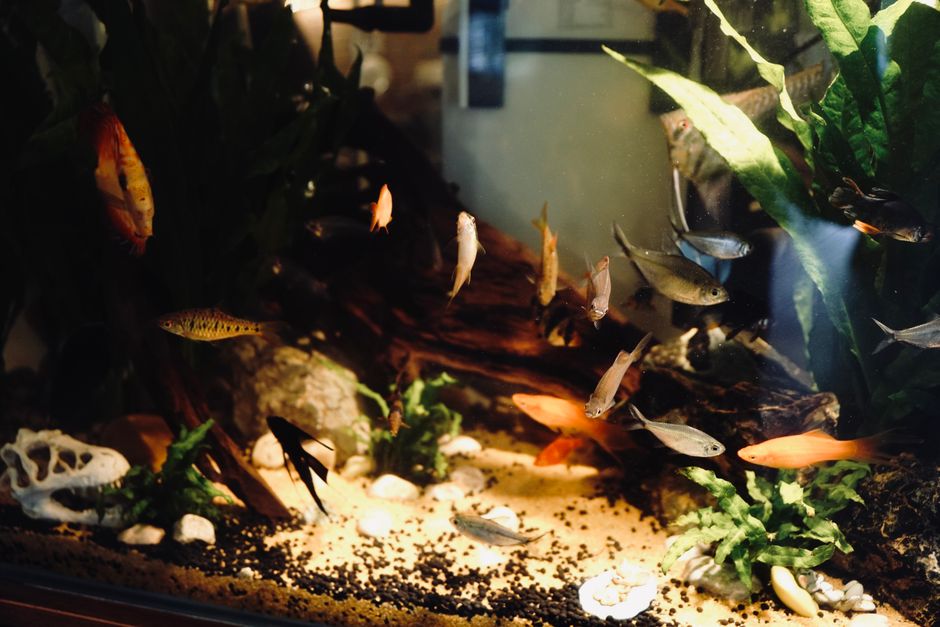
In reality, a well-filtered tank does not require strong currents to maintain water quality. Gentle filtration can effectively remove waste and toxins while still providing a serene environment for your axolotl to thrive. By creating a peaceful habitat, you can ensure your axolotl remains happy and healthy.
Myth: You Only Need a Filter During Cycling
Another common misconception is that filters are only necessary during the cycling process of the tank. While cycling is critical for establishing beneficial bacteria, maintaining a filter is essential for long-term water quality. Continuous filtration helps remove harmful toxins and keeps your axolotl’s environment stable. A filter plays a vital role in the nitrogen cycle, which is necessary to convert toxic ammonia into less harmful substances.
Neglecting to use a filter after the cycling period can lead to deteriorating water conditions and can put your axolotl at risk. Even after the cycling process is complete, a filter remains an indispensable component of a healthy tank, ensuring that the water remains clean and conducive to the well-being of your aquatic pet.
Conclusion
Choosing the best filter for your axolotl tank is a crucial decision that impacts the health and happiness of your pet. By understanding the various types of filters available and considering factors such as tank size, flow rate, and maintenance requirements, you can create a thriving environment for your axolotl. Remember, a clean and stable tank is the foundation of a healthy axolotl, so invest time in selecting the right filtration system.
In summary, prioritize gentle filtration methods such as canister, internal, or sponge filters to ensure your axolotl feels at home in its aquatic habitat. A well-maintained filter not only enhances the quality of life for your axolotl but also simplifies the overall care routine, allowing you to enjoy your time with your unique pet.
Frequently Asked Questions (FAQ)
What type of filter is best for an axolotl tank?
The best type of filter for an axolotl tank is one that provides gentle filtration, such as a canister filter, internal filter, or sponge filter. It’s essential to choose a filter with adjustable flow rates to minimize water movement.
How often should I clean my axolotl’s filter?
Clean your axolotl’s filter at least once a month, but monitor it regularly for clogs. The frequency may vary based on the filter type and tank conditions.
Do axolotls need a filter in their tank?
Yes, axolotls need a filter to maintain water quality and remove toxins. A good filtration system is vital for their health and overall well-being.
Can I use a regular aquarium filter for my axolotl?
While you can use a regular aquarium filter, ensure it has adjustable flow settings to reduce water movement. Filters designed for low-flow environments are preferable for axolotls.
1 thought on “Discover the Best Filter for Axolotl Tank: The Ultimate Guide You Need!”