

The axolotl, a fascinating aquatic creature native to Mexico, is not only known for its unique appearance but also holds a significant place in Mexican folklore. Often referred to as the “Mexican walking fish,” this amphibian is steeped in rich cultural narratives that intertwine with the life and beliefs of the Aztecs and other indigenous communities. In this article, we will explore the mythical tales surrounding the axolotl and its symbolic meanings, revealing how this extraordinary creature has influenced the cultural landscape of Mexico.
As we dive into the depths of Mexican folklore, the stories of the axolotl serve as a reminder of the close relationship between nature and mythology. From its connection to creation myths to its representation of transformation and resilience, the axolotl embodies a unique cultural significance that continues to resonate today.
Join us as we uncover the most intriguing aspects of axolotl Mexican folklore, delving into the legends that have shaped its identity and the lessons they impart.
Legends and Myths of the Axolotl in Mexican Folklore
To fully appreciate the role of the axolotl in Mexican folklore, it is essential to explore several key legends that highlight its importance. These stories not only showcase the creature’s physical attributes but also its symbolic meanings within the cultural narrative. Below are some of the most notable myths associated with the axolotl, illustrating how this creature is woven into the fabric of Mexican mythology.
The Legend of Xolotl and the Axolotl
One of the most prominent myths involving the axolotl is linked to the god Xolotl, who is often depicted as a dog-headed figure. According to legend, Xolotl was tasked with guiding souls to the underworld. However, he feared his fate and transformed into various creatures to escape his destiny, including the axolotl. This transformation symbolizes the themes of duality and the cycle of life and death, highlighting the axolotl’s role as a guardian of the souls.
Xolotl’s relationship with the axolotl extends beyond mere transformation; it reflects the belief that the axolotl embodies the ability to navigate between life and death. In many narratives, the axolotl is seen as a creature that exists at the threshold, representing the fluidity of existence and the interplay between the physical and spiritual realms. This duality reinforces the axolotl’s significance in Mexican folklore as a symbol of protection, guiding spirits on their journey to the afterlife.
Cihuacoatl and the Axolotl: Symbolism of Motherhood
Another interesting narrative involves Cihuacoatl, the goddess of motherhood and fertility. In some tales, she is said to have transformed into an axolotl to escape from the gods who sought to sacrifice her. This transformation represents resilience and the survival instinct, showcasing the axolotl as a symbol of protection for women and children. The axolotl’s ability to regenerate also mirrors the themes of rebirth and renewal found in many indigenous stories.
Cihuacoatl’s connection to the axolotl emphasizes the creature’s role as a protector in Mexican mythology. The legend serves as a powerful metaphor for the struggles faced by women, particularly in the context of sacrifice and motherhood. The axolotl, embodying Cihuacoatl’s spirit, symbolizes strength and adaptability, reflecting the qualities that are revered in Mexican culture. As a figure of resilience, the axolotl encourages individuals to confront challenges and emerge stronger, much like Cihuacoatl did.
The Aztec Creation Myth: The Axolotl’s Role
The axolotl also plays a significant role in the Aztec creation myth, where it is believed to have emerged from the waters of Lake Texcoco. As the story goes, the gods created the first humans from the bones of previous generations, and the axolotl was a part of this transformation. This connection to creation emphasizes the axolotl’s integral place in the natural order and its representation of life itself.
This myth not only highlights the axolotl’s origins but also its connection to the cycle of life and death that is central to many indigenous belief systems. The axolotl’s presence in the creation narrative signifies the importance of water as a life-giving element, further solidifying its status as a sacred creature within Mexican folklore. The idea that life springs forth from the waters inhabited by the axolotl reinforces the belief in the interconnectedness of all living beings and the natural world.
The Symbolism of the Axolotl in Mexican Culture
The axolotl is not merely a creature of folklore; it embodies various meanings that resonate deeply within Mexican culture. Its unique characteristics and life cycle offer profound insights into the values and beliefs of the people. Here, we will explore the symbolism associated with the axolotl, particularly focusing on how it reflects cultural identity and resilience.
 📖 Read also:
Unveiling the Mystical Connection Between Axolotls and Aztec Mythology
Resilience and Adaptability: A Cultural Reflection
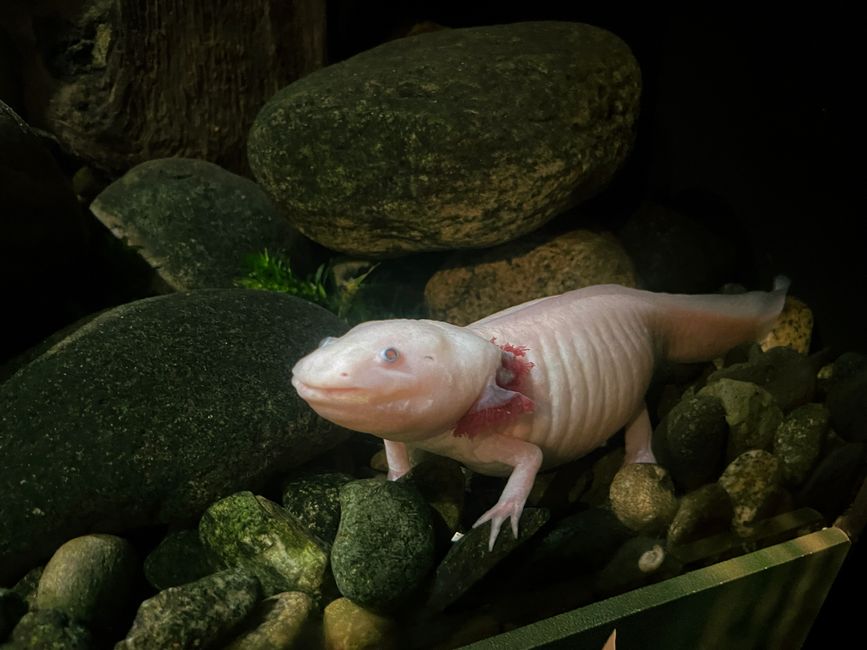
One of the most celebrated aspects of the axolotl is its remarkable ability to regenerate lost limbs and even parts of its heart and brain. This extraordinary trait symbolizes resilience and adaptability, qualities that are highly valued in Mexican culture. The axolotl serves as a reminder of the importance of overcoming challenges and embracing change, reflecting the spirit of the Mexican people.
The regenerative abilities of the axolotl have led to its recognition as a symbol of hope and recovery. In many cultural narratives, the axolotl represents the idea that even in the face of adversity, one can emerge transformed and renewed. This message resonates deeply within Mexican society, particularly in the context of historical struggles and the ongoing journey toward social and environmental justice. By embodying resilience, the axolotl encourages individuals to persevere and adapt, qualities that are essential for navigating life’s complexities.
Connection to Water and Life: Sacred Symbolism
Water holds a sacred place in many cultures, including Mexican folklore. The axolotl’s aquatic habitat connects it to themes of life, fertility, and sustenance. In various indigenous beliefs, water is seen as a source of life, and the axolotl, thriving in these waters, represents the continuous cycle of existence. Its connection to water also emphasizes the need to protect natural resources, a message that resonates strongly in contemporary environmental discussions.
In Mexican folklore, water is often personified as a nurturing force, integral to agriculture and the sustenance of life. The axolotl, as a creature that thrives in this vital element, symbolizes the harmony between nature and humanity. This relationship underscores the cultural significance of preserving waterways and aquatic ecosystems, as they are essential for the survival of not just the axolotl but countless other species as well. The axolotl’s presence reminds us of the delicate balance that exists within nature and the responsibility we hold to protect it.
Symbol of Transformation: Life’s Journey
The axolotl’s unique life cycle, where it remains in its larval form throughout its life, symbolizes the concept of transformation. This theme is prevalent in many Mexican narratives, where characters undergo significant changes to achieve their destinies. The axolotl, with its ability to adapt and thrive in various circumstances, serves as a powerful metaphor for personal growth and change.
This aspect of the axolotl’s existence reflects the broader cultural belief in the importance of personal evolution. Many traditional stories in Mexican folklore emphasize the transformative journeys of individuals as they encounter challenges and learn valuable lessons. The axolotl, representing this concept of continuous growth and adaptation, encourages individuals to embrace their own transformative journeys, finding strength in their experiences and the changes they undergo.
Modern Interpretations and Cultural Significance of the Axolotl
In contemporary society, the axolotl has transcended its folkloric roots to become an icon of Mexican culture. Its image is often used in art, fashion, and popular media, reflecting a broader appreciation for its unique characteristics. Additionally, the axolotl has become a subject of scientific interest due to its regenerative abilities, further enhancing its significance in both cultural and scientific contexts.
Axolotl in Art and Literature: Inspiration through the Ages
The axolotl’s enchanting appearance and rich symbolism have inspired countless artists and writers. From traditional paintings to modern graphic novels, its imagery evokes a sense of wonder and curiosity. Artists often depict the axolotl in vibrant colors and imaginative settings, celebrating its uniqueness and the stories it represents.
In literature, the axolotl has been a subject of fascination, serving as a symbol of mystery and the unknown. Contemporary authors have drawn upon its folkloric roots to explore themes of identity, transformation, and environmental stewardship. The axolotl’s presence in various artistic expressions reflects the deep cultural connections that continue to inspire creativity and imagination, bridging the gap between past and present narratives.
Conservation Efforts and Awareness: Protecting the Axolotl
As the axolotl faces threats from habitat loss and pollution, there has been a growing movement to raise awareness about its conservation. Many organizations are dedicated to protecting this remarkable species and its natural habitat. By highlighting the axolotl’s cultural significance, these efforts aim to foster a deeper connection between people and the environment, encouraging sustainable practices.
 📖 Read also:
Unveiling the Secrets: Axolotl’s Extraordinary Lifespan
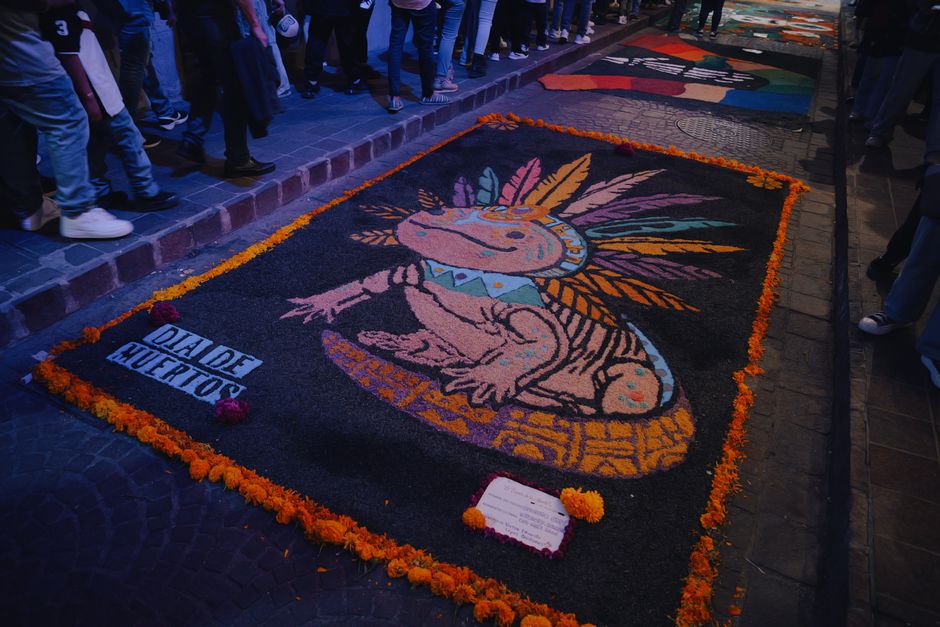
Educational campaigns emphasize the importance of preserving the axolotl not only as a species but also as a vital part of Mexican heritage. Initiatives that promote community involvement in conservation efforts have emerged, allowing individuals to engage with the axolotl’s story and contribute to its protection. By understanding the cultural narratives that surround the axolotl, people are more likely to appreciate its value and advocate for its conservation.
The Axolotl as a Cultural Ambassador: Bridging Worlds
Today, the axolotl serves as a cultural ambassador for Mexico, representing the country’s rich heritage and biodiversity. Its image is often used in educational campaigns to promote environmental awareness and appreciation for unique species. By embracing the axolotl, we not only celebrate its beauty but also acknowledge the importance of preserving the natural world for future generations.
The axolotl’s role as a cultural ambassador extends beyond Mexico’s borders, fostering a global appreciation for this unique amphibian. As awareness of environmental issues grows, the axolotl stands as a testament to the interconnectedness of all life and the need for collective action. Through its representation in media, art, and education, the axolotl inspires individuals to recognize their responsibility in protecting the planet and its diverse ecosystems.
Conclusion: The Enduring Legacy of the Axolotl in Mexican Folklore
The axolotl, with its captivating presence in Mexican folklore, offers a wealth of stories and meanings that continue to resonate today. From its mythical origins to its symbolic significance, this extraordinary creature embodies resilience, adaptability, and the interconnectedness of life. As we reflect on the legends and cultural narratives surrounding the axolotl, we are reminded of the importance of preserving not only this remarkable species but also the vibrant stories that shape our understanding of the world.
In celebrating the axolotl, we honor a legacy that intertwines nature, mythology, and the human experience, ensuring that its story lives on for generations to come. By acknowledging the axolotl’s place in folklore, we embrace a deeper understanding of our relationship with the natural world and the cultural narratives that define us.
Frequently Asked Questions (FAQ)
What is the significance of the axolotl in Mexican folklore?
The axolotl holds significant cultural importance in Mexican folklore, symbolizing resilience, transformation, and the connection between life and water. It is associated with various myths that highlight its role in creation and the cycle of life.
How does the axolotl relate to the Aztec culture?
The axolotl is deeply rooted in Aztec mythology, linked to the god Xolotl and the creation of humanity. Its presence in these narratives underscores its importance in the Aztec belief system and its role in the natural world.
Why is the axolotl endangered?
The axolotl faces threats from habitat loss, pollution, and invasive species, leading to its classification as critically endangered. Conservation efforts are crucial to protect this unique amphibian and its environment.
How can I help conserve the axolotl?
Supporting conservation organizations, promoting awareness about the axolotl’s plight, and advocating for sustainable practices can help protect this remarkable species and its habitat.