Axolotls, with their unique appearance and regenerative abilities, have gained popularity as pets and research subjects. Breeding these fascinating creatures can be both rewarding and challenging. Whether you’re a seasoned aquarist or a beginner, understanding the essentials of axolotl breeding is crucial. In this guide, we will explore the key aspects of breeding axolotls, ensuring you are well-equipped to embark on this underwater adventure.
Breeding axolotls involves several steps, from selecting the right pair to caring for the eggs and larvae. This guide will break down the process into manageable parts, providing you with practical tips and insights that come from experience in the field. With the right knowledge and preparation, you’ll be able to successfully breed axolotls and enjoy watching their fascinating life cycle unfold.

Essential Tips for Breeding Axolotls
Breeding axolotls requires careful planning and consideration. Below are key tips that will help you navigate the breeding process effectively. Each point addresses different stages and aspects of breeding, ensuring you have a holistic understanding of what it takes to breed these unique amphibians. Let’s dive in!
Choose Healthy Breeding Stock
The first step in successful axolotl breeding is selecting healthy breeding stock. Look for axolotls that are at least 6 months old, as they reach sexual maturity around this age. Healthy axolotls will exhibit vibrant colors, clear skin, and active behavior. It’s advisable to source your axolotls from reputable breeders or pet stores that provide information on their health history. Additionally, ensuring that the axolotls are free from diseases and deformities is crucial, as these factors can significantly affect their breeding capabilities.
Observing their behavior can also provide insight into their health status. Active and curious axolotls are generally healthier and more likely to breed successfully. Pay attention to any signs of lethargy, unusual swimming patterns, or loss of appetite, as these can indicate underlying health issues. Conducting a thorough examination of both potential breeding partners can help ensure that your breeding efforts will be fruitful.
Set Up the Breeding Environment
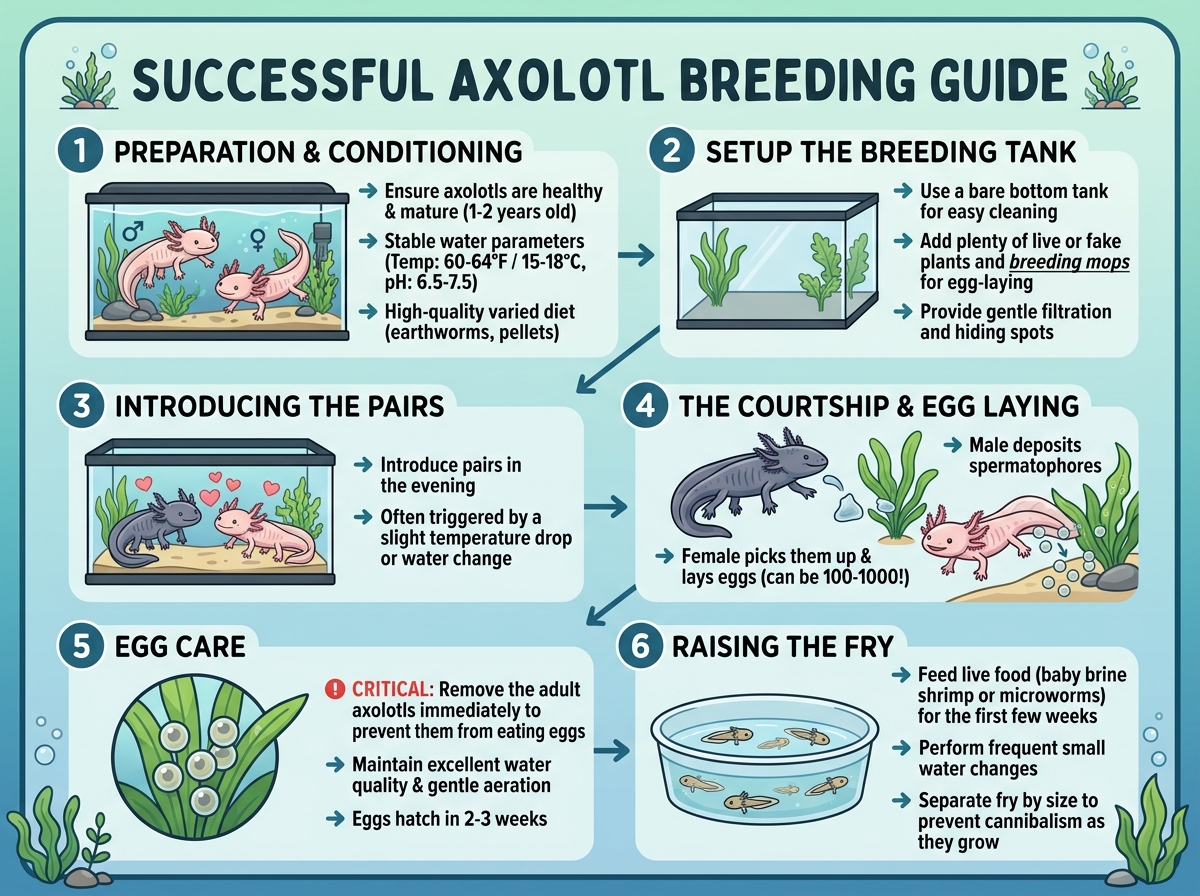
A proper breeding environment is vital for the success of your axolotl breeding endeavors. Provide a spacious aquarium with a gentle filter to maintain water quality without creating strong currents, as axolotls prefer calm waters. The tank should be at least 20 gallons, giving ample space for the axolotls to swim and establish territories. The water temperature should be kept between 16-18°C (60-65°F), which mimics their natural habitat and encourages breeding. A stable environment is critical, as fluctuations in temperature can stress the axolotls and hinder the breeding process.
Additionally, include hiding spots using plants or decorations where the female can feel secure while laying eggs. Natural materials like moss or aquatic plants can create a comfortable environment. Avoid using sharp objects that could harm the axolotls. Regular maintenance of the aquarium, including water changes and substrate cleaning, will help ensure a healthy breeding environment. By establishing a suitable habitat, you can increase the chances of successful reproduction.
Monitor the Breeding Process
Once your axolotls are in the right environment, you can start monitoring their breeding behavior. Males will often chase females and display courtship behaviors. During this time, you may notice the male performing a dance-like movement, which is part of the mating ritual. This may include nudging the female and moving around her in circles, which helps stimulate her to lay eggs. Understanding these behaviors is essential for recognizing when breeding is about to occur.
After successful mating, females will lay eggs, which can be sticky and attach to surfaces in the aquarium. It’s common for a healthy female to lay anywhere from 100 to 1,000 eggs in a single session. This is a critical moment in the breeding process, as the number and quality of the eggs can significantly impact the success of hatching. Monitoring the eggs closely will help you prepare for the next stages of breeding.

Caring for Axolotl Eggs
After the breeding process, the focus shifts to caring for the eggs. Axolotl eggs are quite delicate and require specific conditions to thrive. Understanding how to care for them is essential to ensure a successful hatching process. Maintaining optimal conditions during this phase is crucial, as any disruption can affect the viability of the eggs.
Egg Development Timeline
Axolotl eggs typically hatch within 14 to 21 days, depending on water temperature and conditions. During this period, it’s crucial to maintain stable water quality and temperature. Regularly check on the eggs, ensuring that they are not exposed to harmful substances or drastic changes in their environment. A consistent temperature range and clean water will help the embryos develop properly.
 📖 Read also:
Unlocking the Secrets: Axolotl Cloaca Swelling as a Breeding Sign
Monitoring the eggs for any signs of fungus or decay is also essential. If you notice any unhealthy eggs, they should be removed promptly to prevent contamination of the healthy ones. Keeping the eggs in a separate tank can also help mitigate such risks. Make sure to maintain gentle aeration in the hatching tank, as this helps circulate water and provides oxygen without disturbing the eggs.
Remove Eggs from the Aquarium
To prevent potential predation by adult axolotls, it’s advisable to remove the eggs from the main aquarium and place them in a separate hatching tank. This tank should have similar water conditions and should be equipped with gentle aeration to keep the eggs oxygenated without disturbing them. Make sure to keep the tank clean and monitor water parameters closely, including pH, ammonia, and nitrite levels, as these factors play a critical role in the healthy development of the embryos.
Using a sponge filter can be beneficial, as it provides biological filtration while ensuring gentle water movement. Regular water changes should be conducted to maintain optimal conditions. The hatching tank should be kept in a quiet location, away from direct sunlight and disturbances, to create a stable environment for the developing eggs.
Feeding the Hatchlings
Once the eggs hatch, tiny axolotl larvae will emerge. Initially, these larvae will rely on their yolk sacs for nourishment, which provides them with essential nutrients in the early stages of life. After a few days, they will need to be fed. It’s essential to start with small live foods, such as infusoria or finely crushed pellets, ensuring they are appropriate for the size of the hatchlings. Overfeeding can lead to water quality problems, so it’s essential to provide only as much food as they can consume within a few hours.
As the hatchlings grow, you can gradually introduce larger food options, such as brine shrimp or specialized axolotl pellets. Monitoring their growth and adjusting their diet accordingly is vital for their health. Providing a variety of food options will help ensure that all larvae receive adequate nutrition, which is crucial for their development and growth into healthy adult axolotls.

Common Challenges in Axolotl Breeding
Like any breeding process, axolotl breeding comes with its challenges. Being aware of potential issues can help you mitigate risks and improve your success rate. Understanding these challenges in advance allows you to take proactive measures, increasing your chances of successful breeding.
Health Issues
One common challenge in breeding axolotls is health-related issues that can arise in the breeding stock or hatchlings. Ensure that your breeding axolotls are healthy before mating, as stress or illness can lead to poor egg quality. Regularly monitor the health of your larvae and be prepared to act quickly if you notice any signs of disease. Common health issues include fungal infections, bacterial infections, and parasites, which can severely impact the survival of both eggs and hatchlings.
Quarantining new axolotls before introducing them to your breeding stock can help prevent the spread of diseases. Keeping the tank clean and maintaining stable water conditions will further reduce the risk of health issues. It is advisable to familiarize yourself with common symptoms of illness in axolotls, such as abnormal swimming behavior, discoloration, or lesions, so that you can respond promptly to any health concerns.
Water Quality Management
Maintaining optimal water quality is crucial for both breeding adults and hatching larvae. Regular water changes, monitoring pH levels, and ensuring the absence of ammonia or nitrites are essential steps. Poor water quality can lead to stress and fatalities, which can be devastating during the breeding process. It’s important to test your water regularly to ensure it remains within acceptable parameters.
Investing in a good water testing kit will allow you to monitor essential parameters like temperature, pH, ammonia, and nitrite levels. Adjusting these levels as necessary, such as through water changes or the addition of water conditioners, will help maintain a healthy environment for your axolotls. Remember that young larvae are particularly sensitive to poor water quality, so extra care should be taken during this stage of their development.
 📖 Read also:
Unlock the Secrets to a Thriving Axolotl Breeding Tank Setup
Feeding Challenges
Feeding the hatchlings can pose a challenge, particularly if they refuse to eat or if the food provided is inappropriate. Keeping a variety of food options available and observing their feeding habits will help ensure they receive adequate nutrition. It’s essential to be patient, as some hatchlings may take longer to adjust to new foods. If the hatchlings appear uninterested in the offered food, try changing the type or size until you find something they will eat.
As they grow, their dietary needs will change, so adapting their diet based on their growth and developmental stages is vital. Regularly assess their health and weight to ensure they are growing properly. If you encounter persistent feeding issues, consulting with an experienced axolotl breeder or a veterinarian knowledgeable about amphibians can provide valuable insights and solutions.
Conclusion
Breeding axolotls can be a fulfilling experience, offering a unique glimpse into the life cycle of these remarkable creatures. By following the tips and guidelines outlined in this axolotl breeding guide, you’ll be better equipped to manage the breeding process effectively. Remember to prioritize the health of your axolotls, maintain optimal environmental conditions, and be patient as you navigate through the breeding journey. Each step of the process, from selecting breeding stock to caring for the larvae, contributes to the success of your breeding efforts. Happy breeding!
Frequently Asked Questions (FAQ)
What is the best age to breed axolotls?
The best age to breed axolotls is around 6 months old, as they reach sexual maturity at this age.
How many eggs do axolotls lay?
Axolotls can lay anywhere from 100 to 1,000 eggs in a single breeding session, depending on the size and health of the female.
What should I do if my axolotl eggs don’t hatch?
If your axolotl eggs don’t hatch, check water quality and temperature, as poor conditions can affect development. It’s also important to ensure the eggs were fertilized and healthy.
Can axolotls breed in a community tank?
It’s not recommended to breed axolotls in a community tank, as adult axolotls may eat the eggs or hatchlings. A separate breeding tank is ideal for their safety.