
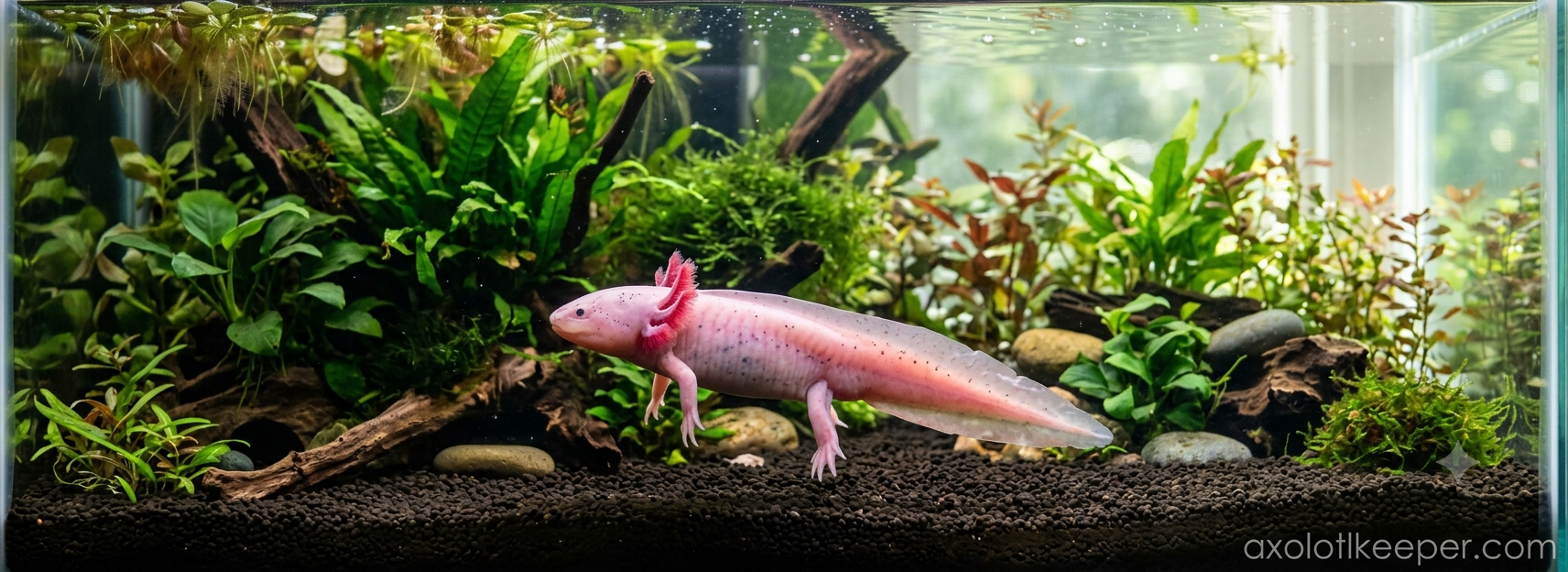
Trusted axolotl care resource
Everything you need to keep a happy, healthy axolotl
Axolotls are forgiving pets in some ways and unforgiving in others — a wrong tank mate or a missed water change can turn into an emergency fast. This site closes that gap with practical, specific care guides written by people who actually keep them.
Start with care guidesBrowse by category
Latest from the blog
View all
Discover the Fascinating Axolotl Water Flow Sensitivity: What You Need to Know!
Discover the unique water flow sensitivity of axolotls and learn how it affects their…
Everything You Must Learn About Filter Flow Rate Axolotl in Your Aquarium
Learn about filter flow rate for axolotls in your aquarium.
Discover the Benefits of Sponge Filter Axolotl: Essential Tips in This Comprehensive Guide
...
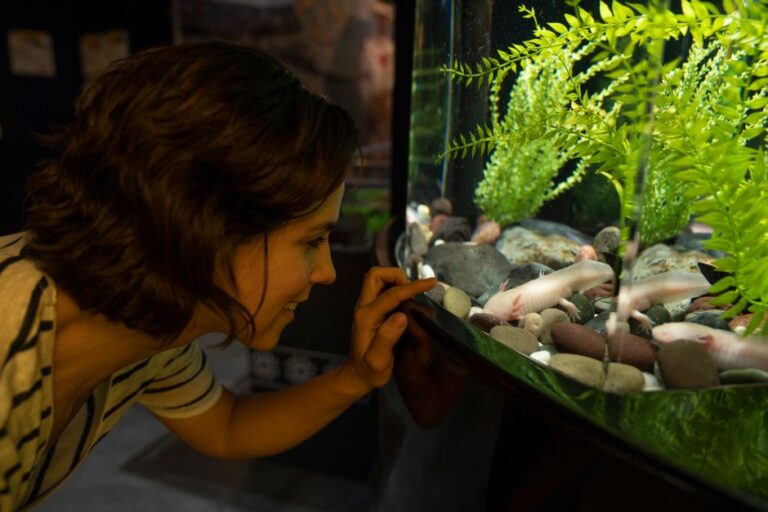
Discover the Best Filter for Axolotl Tank: The Ultimate Guide You Need!
Axolotls are fascinating aquatic creatures that require a specific environment to thrive. One of…
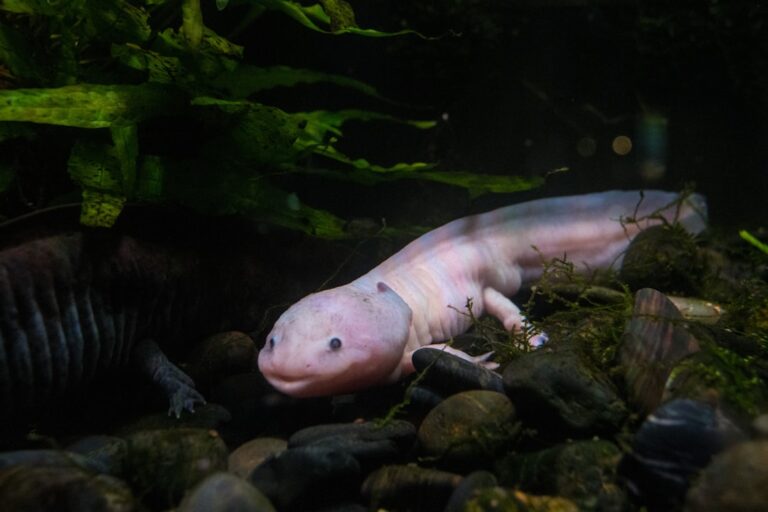
The Ultimate Guide to Axolotl Filter Setup: Ensure a Healthy Aquarium with These Tips!
A comprehensive guide on setting up and maintaining an axolotl filter, ensuring a healthy…
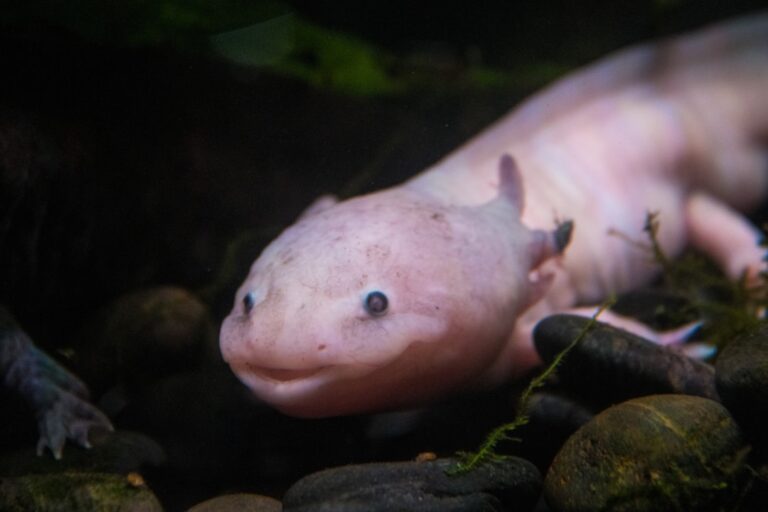
Mastering Axolotl Tank Fan Cooling: Essential Tips for Optimal Habitat
Essential tips for cooling axolotl tanks to maintain optimal habitat.

5 Essential Tips for Cooling Axolotl Tank Water Effectively
Discover effective methods to cool your axolotl tank water and maintain a healthy habitat…

Essential Tips for Every Owner on Testing Axolotl Tank Water: Unlocking the Secrets
...

Is Your Tap Water Safe for Axolotls? Essential Insights Revealed!
Learn how to safely use tap water for axolotls, ensuring their health and well-being…
Common questions
How much space does an axolotl actually need?
A single adult axolotl needs at least a 20-gallon long tank — width matters more than height since axolotls don't climb or jump.
Can axolotls live with other axolotls?
Yes, but only with similarly sized axolotls, since they will attempt to eat anything smaller that fits in their mouth, including each other.
What temperature should the tank be?
Keep the water between 60 to 64°F (16 to 18°C). Anything consistently above 70°F (21°C) puts real stress on their system.