

The mosaic axolotl is not just another amphibian; it is a captivating creature that has fascinated pet enthusiasts and researchers alike. With its stunning colors and unique patterns, the mosaic axolotl stands out among its relatives. This article will delve into the characteristics, care requirements, and the reasons behind the growing popularity of this remarkable creature.
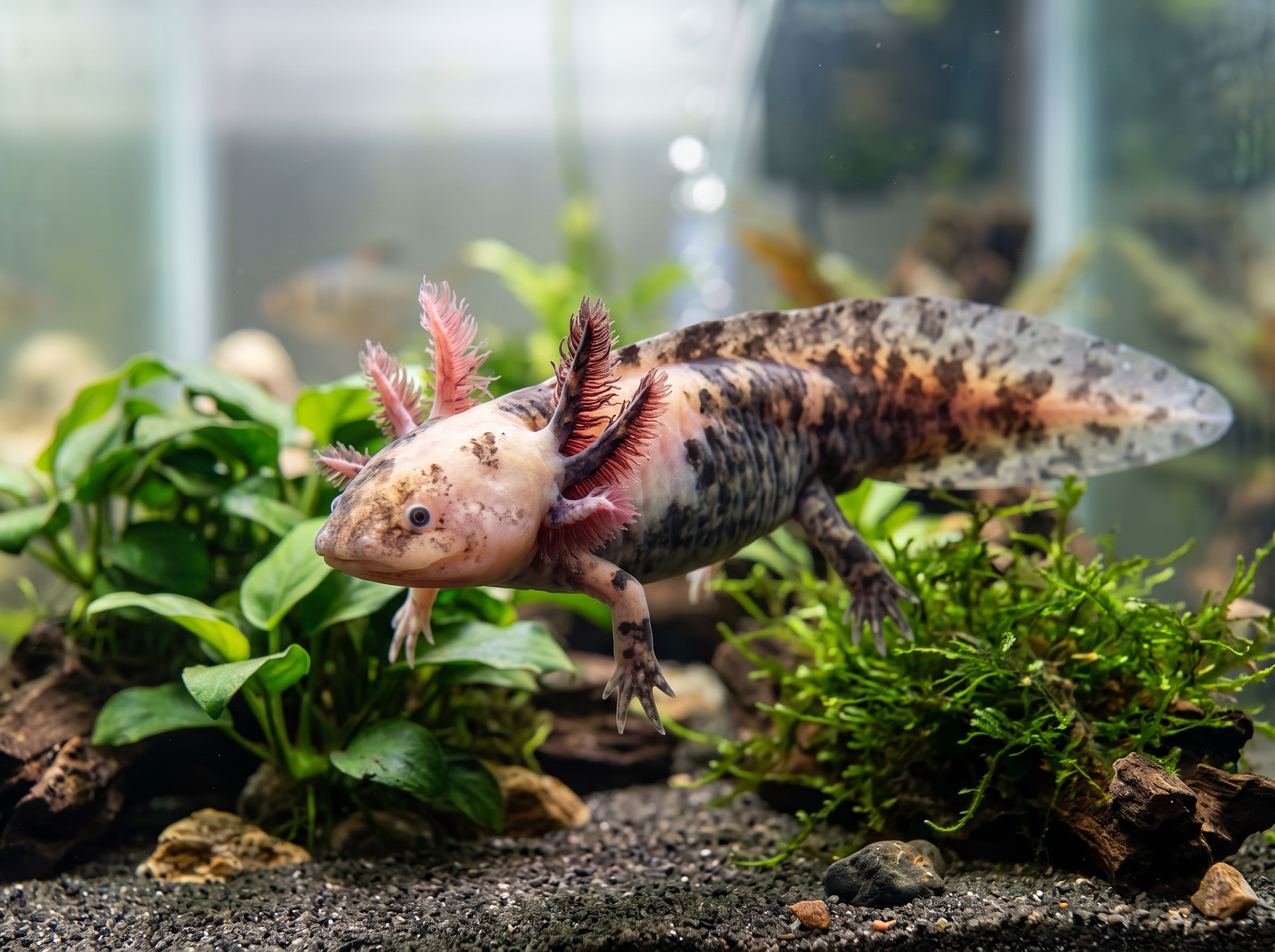
Mosaic axolotls, known for their vibrant and varied colorations, are a genetically unique version of the Mexican axolotl. They are hybrids that exhibit a blend of colors, often displaying patches of white, yellow, and black. Given their striking appearance, many aquarists are eager to learn how to care for these enchanting pets.
In this article, we will explore the essential aspects of owning a mosaic axolotl, including their habitat needs, diet, and health care. We will also provide tips for maintaining their vibrant colors and ensuring their well-being. Whether you are an experienced aquarist or a beginner, understanding the mosaic axolotl can enhance your experience with these incredible animals.
Understanding the Mosaic Axolotl
What is a Mosaic Axolotl?
The mosaic axolotl is a unique variant of the axolotl, a neotenic salamander that remains aquatic and gilled throughout its life. Unlike the standard axolotl, which typically displays a more uniform coloration, mosaic axolotls feature a mix of colors and patterns, often resembling a mosaic artwork. This visual complexity not only adds to their aesthetic charm but also reflects their genetic diversity.
This variation arises from selective breeding, where breeders aim to enhance specific genetic traits. As a result, these axolotls often display colorful patches that can vary significantly in hue and distribution. The genetic makeup of a mosaic axolotl contributes to its distinct appearance, making it a popular choice for both collectors and hobbyists. Breeders often engage in careful pairing to achieve desired color patterns, which can lead to stunning visual results.
Originally found in the lakes surrounding Mexico City, axolotls have become increasingly popular in captivity due to their fascinating traits and relatively easy care requirements. In recent years, the mosaic axolotl has gained attention for its beauty and uniqueness, attracting enthusiasts from around the globe. This rise in popularity has also sparked interest in conservation efforts, as the natural habitats of these creatures face significant environmental threats.
Physical Characteristics
Mosaic axolotls typically grow to be around 8 to 12 inches long, making them a medium-sized amphibian. Their most distinctive feature is their color pattern, which can include a combination of yellow, black, and white. The colors can be vibrant and can change slightly depending on the axolotl’s environment and diet. For instance, a diet rich in carotenoids can enhance the brightness of their colors, emphasizing the beauty of their mosaic patterns.
In addition to their coloration, axolotls possess external gills that resemble feathery appendages on either side of their heads. These gills are essential for respiration in their aquatic habitat, allowing them to absorb oxygen from the water. Axolotls also have a wide head and a flat body, contributing to their distinctive look. Their unique morphology not only aids in their survival in the wild but also makes them a fascinating subject for biological study.
Overall, the mosaic axolotl’s physical characteristics make it a visually stunning addition to any aquarium, capturing the attention of anyone who sees it. Their graceful movements and curious nature further enhance their appeal, making them a joy to observe.
The Genetics Behind Mosaic Axolotls
The genetic basis for the mosaic coloration in axolotls is complex. Breeders have developed these variants through selective breeding, focusing on specific traits that enhance color diversity and patterning. The interplay of various genes results in the striking mosaic patterns that make these axolotls so attractive. For example, variations in the genes responsible for pigmentation can lead to the diverse colorations observed in mosaic axolotls.
Understanding the genetics of mosaic axolotls can also provide insights into their care and breeding. For instance, breeding two mosaic axolotls may yield offspring with varying degrees of mosaic patterns, depending on the genetic makeup of the parents. This genetic diversity not only enhances the visual appeal of mosaic axolotls but also ensures that there is a wide range of colors and patterns available for enthusiasts to choose from. By studying these genetic patterns, researchers can gain a better understanding of amphibian genetics and evolution.
Moreover, the presence of hybrid vigor in mosaic axolotls can lead to increased health and resilience, making them an excellent choice for both new and experienced aquarists. This aspect of their genetics is particularly appealing to those interested in breeding and maintaining healthy axolotl populations.

Creating the Perfect Habitat for Mosaic Axolotls
Tank Requirements
To provide a suitable environment for mosaic axolotls, it is essential to set up an appropriate tank. A minimum tank size of 20 gallons is recommended for one axolotl, with additional space for each additional axolotl. This allows them ample room to swim and explore, which is crucial for their physical and mental well-being. In larger tanks, axolotls can exhibit more natural behaviors, including foraging and hiding, which are important for their overall health.
It is crucial to maintain clean water conditions, as axolotls are sensitive to water quality. A good filtration system is necessary to keep the water clean and free of harmful toxins. Regular water changes, approximately 20% of the tank volume weekly, will help maintain a healthy environment. Monitoring ammonia, nitrite, and nitrate levels is essential, as spikes in these parameters can lead to serious health issues.
Additionally, the tank should be equipped with a substrate that is safe for axolotls. Sand or smooth gravel is preferred, as sharp substrates can injure their delicate skin. Providing hiding spots with decorations such as caves or plants can also help create a comfortable and secure habitat. Live plants not only enhance the aesthetic appeal of the tank but also contribute to water quality by absorbing excess nutrients.
📖 Baca juga: Discover the Unique Beauty of Piebald Axolotls: Nature’s Living Art
Temperature and Water Conditions
Mosaic axolotls thrive in cooler water temperatures, ideally between 60°F and 68°F (15°C to 20°C). Temperature fluctuations can stress axolotls, leading to health issues. Therefore, it is essential to monitor the water temperature and use a heater or chiller as necessary to maintain stable conditions. Maintaining a consistent temperature is vital, as sudden changes can be detrimental to their health.
The pH level of the water should be kept between 6.5 and 7.5, which is optimal for axolotls. Regular testing of water parameters will help ensure that the environment remains suitable for these delicate creatures. Keeping the water clean and well-oxygenated is crucial for their respiratory health, as axolotls rely heavily on dissolved oxygen in the water.
Additionally, ensure that the water is dechlorinated, as chlorine can be harmful to axolotls. Using a water conditioner can help eliminate any harmful chemicals from the tap water. It is also a good idea to introduce beneficial bacteria to the tank, as they help break down waste and maintain a healthy ecosystem for your axolotl.
Feeding Your Mosaic Axolotl
Feeding mosaic axolotls a balanced diet is crucial for their growth and health. They are carnivorous and thrive on a diet that includes high-quality pellets, live food such as worms, and shrimp. It is essential to provide varied nutrition to meet their dietary needs. For instance, incorporating different types of worms can enhance their diet and provide essential nutrients necessary for their vibrant coloration.
Most axolotls can be fed 2-3 times a week, with appropriate portion sizes based on their age and size. As a general rule, feed them an amount they can consume within 10-15 minutes. Over time, owners can gauge their axolotl’s appetite and adjust feeding schedules accordingly. Offering a mix of foods can prevent boredom and ensure that they receive a comprehensive range of nutrients.
It is also important to avoid overfeeding, as excess food can lead to health problems. Monitoring their weight and adjusting feeding schedules accordingly will ensure that mosaic axolotls remain healthy and vibrant. Additionally, providing food that mimics their natural diet can help stimulate their hunting instincts, leading to a more active and engaged axolotl.

Health Care and Common Issues
Monitoring Health
Keeping a close eye on your mosaic axolotl’s health is essential. Regularly observe their behavior and physical condition. Healthy axolotls are active and alert, with clear skin and well-formed gills. Monitoring for signs of stress, such as unusual hiding behavior or lack of appetite, can help catch potential health issues early.
Common health issues include skin infections, which can occur due to poor water quality or injury. If you notice any changes in your axolotl’s skin, such as discoloration or lesions, it is crucial to address these issues promptly. Monitoring water parameters regularly can help prevent many of these issues from arising in the first place.
Additionally, axolotls can be prone to stress, particularly when their environment is not optimal. Signs of stress may include lethargy or loss of appetite. Providing a stable habitat and minimizing disturbances will help keep them healthy. Regular interaction with their environment can also help reduce stress levels, as a familiar and enriched habitat encourages natural behaviors.
Preventing Diseases
Preventing diseases in mosaic axolotls involves maintaining good water quality and providing a proper diet. Regular water changes and monitoring water parameters are essential practices to prevent issues. A clean tank not only keeps your axolotl healthy but also reduces the risk of bacterial and fungal infections.
Quarantining new axolotls before introducing them to an established tank can also prevent the spread of disease. This step ensures that any potential health issues are identified before they can affect existing inhabitants. Observing new axolotls for at least two weeks can help ensure they are free from visible health problems.
Furthermore, regular cleaning of the tank and equipment will help eliminate harmful bacteria and parasites that could pose a risk to your axolotl. Using safe cleaning methods, such as vinegar or specific aquarium-safe products, can help maintain a healthy environment without introducing harmful chemicals.
When to Seek Veterinary Care
If you notice significant changes in your mosaic axolotl’s behavior or health, it is important to consult a veterinarian specializing in exotic animals or amphibians. Signs that warrant veterinary attention include persistent lethargy, difficulty swimming, or any unusual growths. Early intervention can often lead to better outcomes, so do not hesitate to seek professional help if you have concerns about your axolotl’s health.
Additionally, keeping a record of your axolotl’s health history can be beneficial for both you and the veterinarian. Documenting any changes in behavior, diet, and habitat can provide valuable insights into your axolotl’s overall health and help guide treatment decisions.
📖 Baca juga: Discovering the Fascinating World of Copper Axolotls: A Unique Aquatic Wonder
Regular check-ups with a veterinarian familiar with amphibians can also be a proactive approach to maintaining your axolotl’s health. This can include routine examinations to catch any potential issues before they become severe.

Why Mosaic Axolotls are Gaining Popularity
Unique Aesthetic Appeal
The unique coloration of mosaic axolotls makes them a favorite among aquarists. Their vibrant patterns and lively movements add a dynamic element to any aquarium. This aesthetic appeal is a significant factor in their rising popularity. Many aquarists enjoy showcasing their mosaic axolotls, often highlighting the individual characteristics that make each one special.
Mosaic axolotls serve as a conversation starter and can attract attention due to their unusual appearance. Many people find joy in showcasing these unique pets in their homes. Their ability to capture the eye makes them a perfect addition to both personal collections and public displays, such as aquariums or educational centers.
Moreover, the hybrid nature of mosaic axolotls adds to their allure, as each specimen can have distinct markings and colors, making them unique in their own right. This diversity not only appeals to collectors but also encourages discussions about genetics and conservation among hobbyists and enthusiasts.
Educational Value
Mosaic axolotls also provide educational opportunities for individuals interested in biology and conservation. Learning about their unique traits and the challenges they face in the wild can foster a greater appreciation for biodiversity. Their regenerative abilities, for example, serve as a fascinating topic in scientific studies, illustrating the complexities of amphibian biology.
Schools and educational institutions often use axolotls as a teaching tool to discuss amphibian biology, genetics, and conservation efforts. Their fascinating life cycle and regenerative abilities make them ideal subjects for study. Programs that involve axolotls can engage students in hands-on learning experiences, promoting interest in science and environmental stewardship.
By keeping mosaic axolotls, enthusiasts can contribute to raising awareness about the importance of amphibian conservation and the need to protect their natural habitats. This engagement can lead to advocacy efforts, helping to preserve the ecosystems that these remarkable creatures depend on.
Community and Support
The growing community of mosaic axolotl enthusiasts provides a wealth of resources and support for new owners. Online forums, social media groups, and local clubs allow axolotl owners to share experiences, tips, and advice. This sense of community fosters a supportive environment for individuals looking to learn more about axolotl care and breeding.
Engaging with fellow enthusiasts can enhance the ownership experience and provide valuable insights into the best practices for maintaining healthy axolotls. Sharing success stories and challenges can motivate others to improve their care techniques and increase the overall knowledge base within the community.
As awareness of mosaic axolotls continues to spread, more people are becoming interested in these captivating creatures, contributing to their popularity. This influx of interest not only benefits the hobbyist community but also encourages further research and conservation initiatives aimed at protecting these unique animals.
Pertanyaan Umum (FAQ)
What is the lifespan of a mosaic axolotl?
The lifespan of a mosaic axolotl can range from 10 to 15 years in captivity, provided they are given proper care and a suitable environment.
Can mosaic axolotls live with other fish?
It is not recommended to house mosaic axolotls with fish, as they may see smaller fish as prey. Additionally, fish can stress axolotls, leading to health issues.
What should I feed my mosaic axolotl?
Mosaic axolotls thrive on a diet that includes high-quality pellets, live worms, and shrimp. A varied diet is essential for their health and well-being.
How do I know if my mosaic axolotl is healthy?
Healthy mosaic axolotls are active, have clear skin, and exhibit normal gill movement. Any significant changes in behavior or appearance may indicate health issues.