
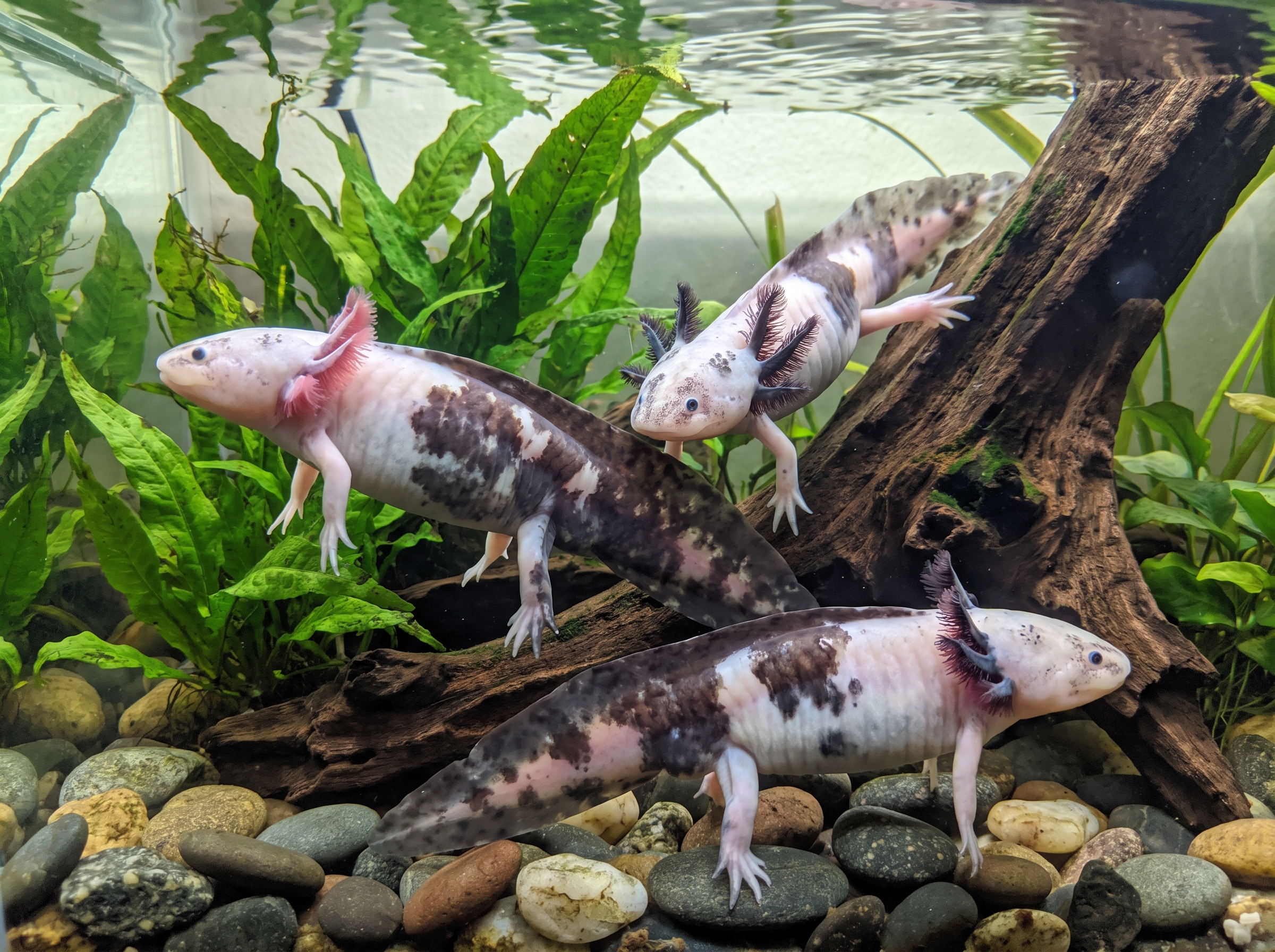
Piebald axolotls are fascinating creatures that capture the imagination of many enthusiasts. With their striking appearance and unique characteristics, these amphibians stand out in the world of pet ownership and scientific research. Known for their distinctive pigmentation, the piebald axolotl is a striking variation of the commonly known axolotl, making them a sought-after species among aquarists and animal lovers alike.
In this article, we will dive deep into the world of piebald axolotls, exploring their characteristics, care requirements, and the reasons behind their popularity. As we uncover the secrets of these enchanting creatures, you will gain a comprehensive understanding of what makes them so special.
Understanding Piebald Axolotls
Piebald axolotls are a genetic variant of the axolotl, a neotenic salamander that remains aquatic and gilled throughout its life. The term ‘piebald’ refers to their unique coloration, characterized by a mix of white skin and dark patches. This striking contrast not only makes them visually appealing but also sets them apart from other axolotl varieties. Their unique appearance has led to their growing popularity in the pet trade, as enthusiasts seek to add these beautiful creatures to their aquariums.
Axolotls are known for their regenerative abilities, which is one of the reasons they are extensively studied in scientific research. The piebald variety inherits this remarkable trait, making them not only beautiful but also biologically significant. Research into their regenerative processes has implications for understanding healing in humans, particularly in relation to spinal cord injuries and tissue regeneration.

Genetic Background of Piebald Axolotls
The piebald coloration in axolotls is caused by a specific genetic mutation that affects the distribution of pigment cells in the skin, resulting in the distinctive white and dark patches. This mutation is inherited in a Mendelian fashion, and breeders often select for this trait to enhance the visual appeal of their stock. Understanding the genetics behind piebald axolotls can help breeders and enthusiasts develop healthier and more vibrant specimens. Genetic diversity is essential for maintaining robust populations, and responsible breeding practices can help mitigate the risks of inbreeding.
While piebald axolotls are popular among pet owners, they can also be more sensitive to environmental changes compared to their more common counterparts. This sensitivity is often attributed to their unique pigmentation, which can affect their overall health if not properly cared for. For instance, fluctuations in water temperature or quality can stress piebald axolotls more than other varieties, leading to health complications. Therefore, it is vital for owners to monitor their tank conditions closely and provide a stable environment.
Physical Characteristics
Piebald axolotls typically exhibit a range of physical features that make them distinct. Their bodies are elongated and can reach lengths of up to 30 centimeters, making them one of the larger species of salamanders. The skin texture is smooth, and they possess external gills that resemble feathery structures, which are used for respiration. These external gills not only serve a functional purpose but also add to their aesthetic appeal, as they flutter gracefully in the water.
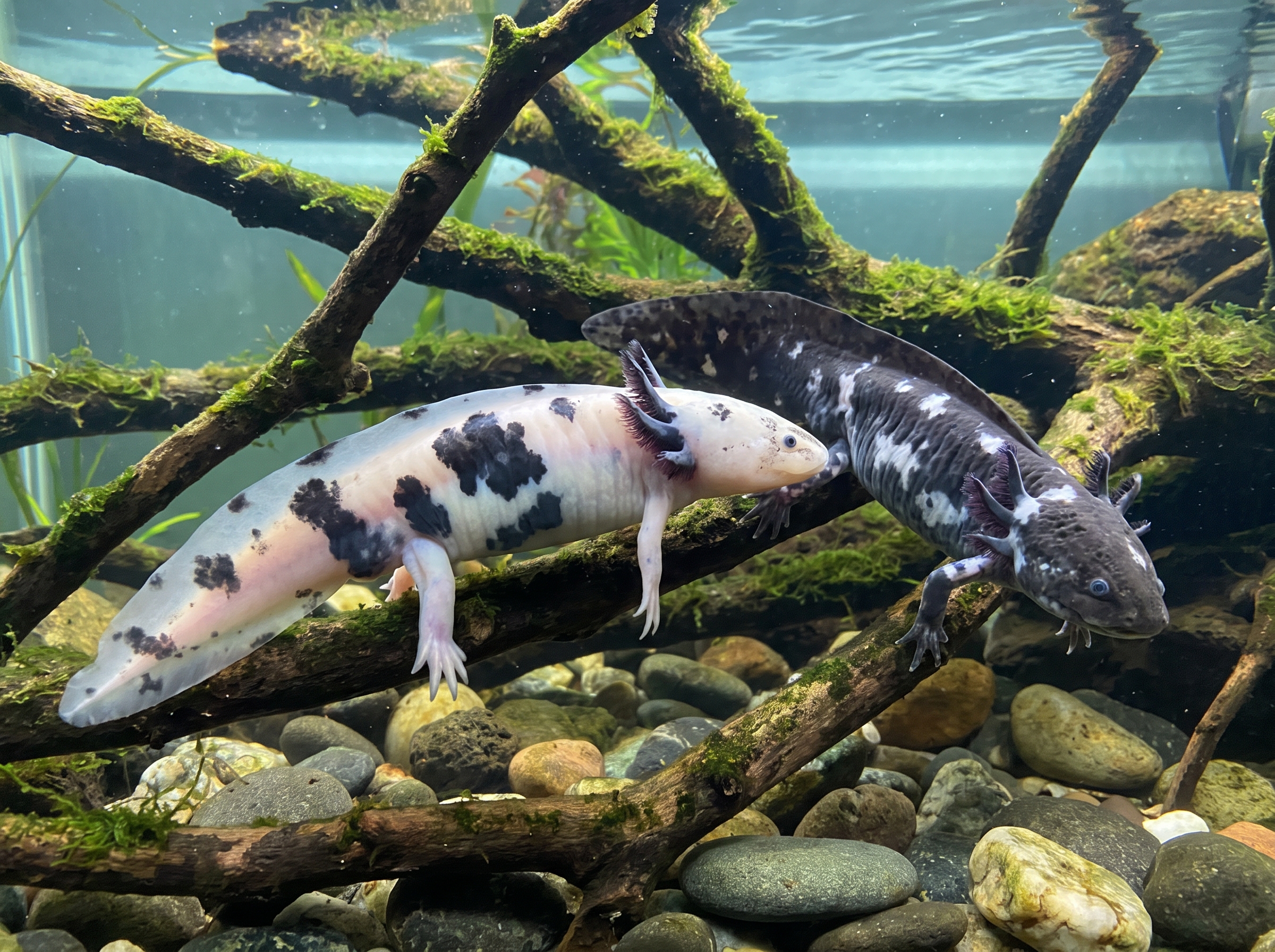
In terms of coloration, piebald axolotls can vary significantly. Some may have more prominent dark patches, while others may have a more dispersed pattern. This variability adds to their charm, as no two piebald axolotls are alike. Additionally, their color can change slightly depending on their age and environmental factors, which can lead to intriguing variations over time. This dynamic nature of their appearance further enhances their allure among pet owners and hobbyists.
Behavioral Traits
When it comes to behavior, piebald axolotls are generally calm and curious. They tend to be less aggressive than other aquatic species, making them suitable for community tanks with compatible fish. However, it’s important to monitor their interactions, as some fish may nip at their gills or toes, which can lead to injury. Understanding the social dynamics of the aquarium environment is crucial for maintaining peace among tank inhabitants.
These creatures are primarily nocturnal, preferring to explore their environment during the night. Providing hiding spots and enrichment in their habitat can help mimic their natural behavior and reduce stress levels. Items such as rocks, plants, and caves can create a more stimulating environment, encouraging natural behaviors like foraging and hiding. Observing their interactions with the environment can provide insights into their well-being and happiness.
📖 Baca juga: Discovering the Fascinating World of Copper Axolotls: A Unique Aquatic Wonder

Caring for Piebald Axolotls
Caring for piebald axolotls requires specific knowledge and attention to detail. To ensure their well-being, it is crucial to create a suitable environment, provide proper nutrition, and maintain water quality. The unique needs of piebald axolotls can pose challenges, but with proper knowledge, they can thrive in captivity.
Here are some essential tips for caring for piebald axolotls:
- Tank Setup: A spacious aquarium with a minimum of 20 gallons is recommended for adult axolotls. Ensure the tank is equipped with a good filtration system to maintain water quality. Additionally, the substrate should be soft and non-abrasive to prevent injury to their delicate skin. Sand or smooth gravel is often recommended, as sharp substrates can harm axolotls during their natural behaviors.
- Water Conditions: Piebald axolotls thrive in cool water temperatures, ideally between 16-18°C. Regularly test the water for ammonia, nitrite, and nitrate levels to keep them within safe limits. Maintaining stable pH levels between 6.5 and 8.0 is also crucial, as fluctuations can stress these sensitive creatures. Using a reliable water testing kit can help ensure the environment remains optimal for your axolotl’s health.
- Diet: A balanced diet is vital for the health of piebald axolotls. Offer high-quality pellets, live or frozen foods such as bloodworms, brine shrimp, and earthworms to encourage healthy growth. It’s important to vary their diet to provide essential nutrients and prevent dietary deficiencies. Additionally, ensuring that food is appropriately sized for their mouths can help avoid choking hazards.
Monitoring Health
Regular health checks are essential in identifying any potential issues early. Look out for signs of stress, such as changes in behavior, poor appetite, or unusual swimming patterns. Keeping the tank clean and providing a stress-free environment can significantly contribute to their overall health. Regular partial water changes, combined with routine tank maintenance, can help reduce the risk of disease and promote a healthy habitat.
Consulting with a veterinarian experienced in amphibian care is also advisable if any health concerns arise. Early intervention can prevent minor issues from escalating into serious problems. Common health issues in axolotls include skin infections, fungal diseases, and nutritional deficiencies, all of which can be mitigated with proper care and attention.
Avoiding Common Mistakes
New axolotl owners often make common mistakes that can jeopardize the health of their pets. Here are some pitfalls to avoid:
- Overcrowding: Avoid placing too many axolotls in one tank, as this can lead to stress and aggressive behavior. A general rule of thumb is to provide at least 10 gallons of water per axolotl to ensure enough space for each individual to thrive.
- Improper Water Conditions: Always ensure the water temperature and quality are suitable for axolotls. Regular water changes and monitoring are crucial. Utilizing a reliable thermometer and water quality test kits can help maintain ideal conditions.
- Incorrect Diet: Feeding inappropriate foods can lead to nutritional deficiencies. Stick to a balanced diet designed for axolotls. Avoid foods that are too large or hard, as they can cause digestive issues or choking.
The Popularity of Piebald Axolotls
The rise in popularity of piebald axolotls can be attributed to their unique aesthetics and the growing interest in exotic pets. Social media has played a significant role in showcasing these captivating creatures, leading to an increased demand among hobbyists and collectors. Their striking appearance, combined with the ease of care and fascinating behaviors, makes them appealing to a wide audience.
As more people become aware of the piebald axolotl’s beauty, breeders are working to meet this demand while emphasizing responsible breeding practices. This ensures that the genetic diversity and health of the species are maintained. Ethical breeding practices not only benefit the animals but also contribute to the sustainability of the species within the pet trade.
Community and Resources
Joining online communities and forums can provide valuable resources for piebald axolotl owners. These platforms offer a wealth of knowledge, from care tips to breeding advice. Engaging with other enthusiasts can also foster a sense of camaraderie and support. Many online groups host discussions, share images, and provide guidance on best practices for axolotl care. Participating in these communities can enhance the ownership experience.
Moreover, many breeders and pet shops are now specializing in piebald axolotls, providing a variety of options for potential owners. Always research and choose reputable sources to ensure you are adopting a healthy and ethically bred axolotl. Look for breeders who prioritize the health and well-being of their animals and who can provide information on the lineage and care of the axolotls they sell.
📖 Baca juga: Discover the Fascinating World of Melanoid Axolotls: Unveiling Their Unique Traits
Scientific Interest
Piebald axolotls are not only popular as pets but also serve as vital subjects in scientific research. Their remarkable regenerative abilities make them a prime candidate for studies related to tissue regeneration and potential applications in medicine. Research has shown that axolotls can regenerate limbs, spinal cords, and even parts of their hearts, making them an invaluable model for understanding regeneration in other species, including humans.
As research continues, piebald axolotls may unlock new insights into cellular biology and regenerative medicine, further solidifying their importance beyond the aquarium. The ongoing studies on their genetic makeup and regenerative capabilities could lead to breakthroughs in treating injuries and diseases in humans, showcasing the significant contributions these unique creatures can make not just in the realm of pet ownership but in the broader scientific community.
Conclusion
Piebald axolotls are truly a wonder of nature, combining beauty with biological significance. Their unique appearance and captivating behavior make them a beloved choice for many aquarists. By understanding their care requirements and the importance of genetic diversity, enthusiasts can enjoy the company of these remarkable creatures while contributing to their conservation. Their role in research highlights their significance in understanding complex biological processes.
Whether you are a seasoned axolotl owner or considering adding one to your collection, piebald axolotls promise to bring joy and fascination to your life. Embrace the challenge of caring for these enchanting amphibians and appreciate the beauty they bring to your home. With the right knowledge and commitment, you can ensure that your piebald axolotl thrives and remains a vibrant part of your aquatic family.
Frequently Asked Questions (FAQ)
What is a piebald axolotl?
A piebald axolotl is a genetic variant of the axolotl characterized by its unique white skin with dark patches, making it visually distinct from other axolotl varieties.
How do I care for a piebald axolotl?
Caring for a piebald axolotl involves providing a spacious tank, maintaining cool water temperatures, and feeding a balanced diet of high-quality pellets and live foods.
Are piebald axolotls healthy pets?
Yes, piebald axolotls can be healthy pets when given proper care, including appropriate tank conditions, diet, and regular health monitoring.
Why are piebald axolotls popular?
Piebald axolotls are popular due to their unique appearance, captivating behavior, and their role in scientific research, making them sought-after by pet owners and enthusiasts.