
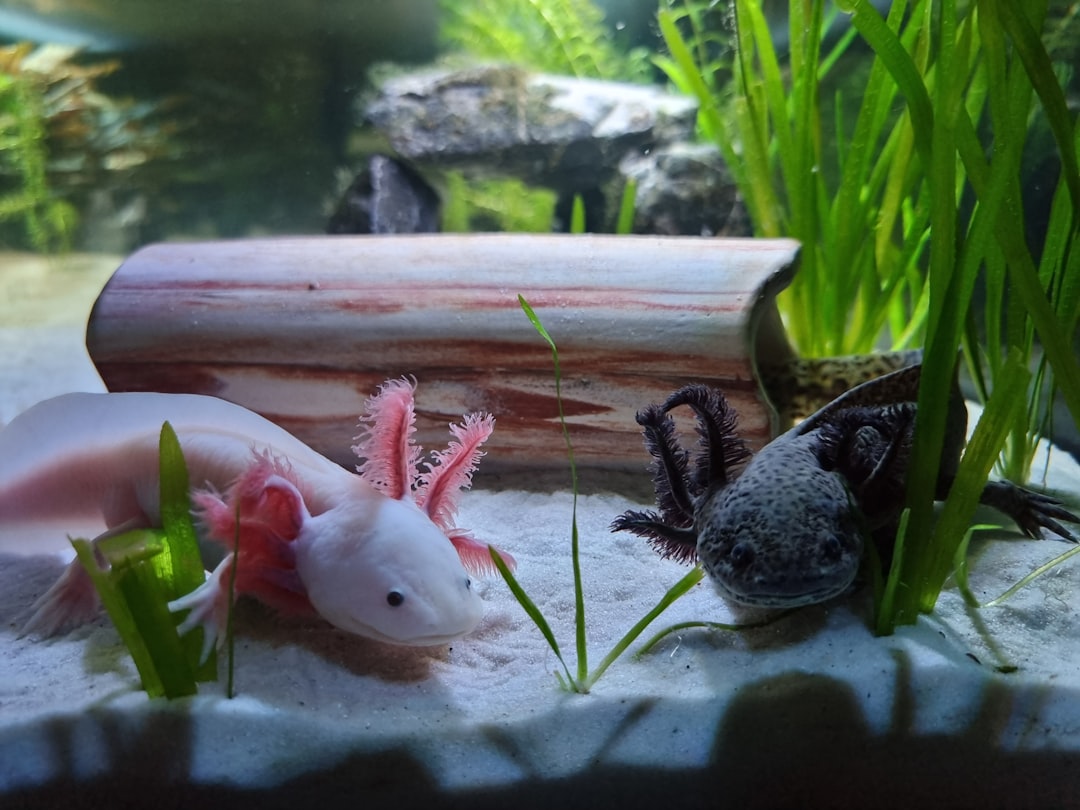
Axolotls, the charming aquatic creatures native to Mexico, are not just famous for their regenerative capabilities but also for their unique sensitivity to water flow. Understanding how these fascinating animals react to their aquatic environment is crucial for both conservation efforts and pet care. This article delves into the intricate ways in which axolotls sense and respond to water flow, providing insights into their behavior and habitat needs.
Water flow sensitivity is a critical aspect of axolotl biology, influencing their feeding habits, stress levels, and overall health. By examining their sensory adaptations and environmental preferences, we can gain a deeper appreciation for these remarkable creatures. Let’s explore this topic further!
Understanding Axolotl Water Flow Sensitivity
Axolotls possess specialized sensory structures that enable them to detect changes in water flow. These adaptations are vital for their survival in the wild, where water currents can vary significantly. Understanding how axolotls perceive and respond to water movement helps us create optimal habitats for them, especially in captivity.
Firstly, axolotls have lateral lines, a system of sensory organs found in many aquatic animals, allowing them to sense vibrations and water movements. This system helps them navigate their environment, locate prey, and avoid predators. In addition, axolotls can also detect chemical signals in the water, which are often influenced by the flow, further informing their responses to their surroundings. This combination of sensory input is crucial for their foraging strategies, as it allows them to respond quickly to dynamic changes in their environment.
Moreover, the water flow plays a significant role in their feeding behavior. Axolotls often rely on the movement of water to help guide small prey items towards them. For instance, when water currents carry small aquatic organisms, axolotls can use their lateral lines to detect the vibrations created by the movement of these organisms, thereby increasing their chances of successful feeding. Understanding this aspect can help aquarists provide a more suitable feeding environment for captive axolotls, ensuring that their natural hunting instincts are supported and encouraged.
The Role of Lateral Lines in Water Detection
The lateral line system is crucial for axolotls as it provides them with the ability to detect even the slightest changes in water flow. This sensory system consists of a series of fluid-filled canals beneath the skin, which are lined with hair cells sensitive to movement. When water flows over these cells, it creates a signal that the axolotl’s nervous system interprets, helping them respond to their environment. This process is not only vital for survival but also plays a significant role in their day-to-day activities.
In the wild, this sensitivity allows axolotls to detect the approach of predators or the movement of potential prey. The ability to sense minute changes in water pressure can mean the difference between life and death. In an aquarium setting, it is essential to maintain appropriate water flow to ensure that axolotls can utilize their lateral lines effectively. Too strong a current may cause stress, leading to erratic swimming patterns and decreased feeding, while too little may hinder their ability to locate food, resulting in malnourishment.
Furthermore, lateral line sensitivity is not exclusive to axolotls; many aquatic animals possess similar adaptations. However, the unique environment of the axolotl, including its preference for specific water conditions, highlights the importance of understanding this sensory mechanism. Aquarists need to create environments that simulate these conditions to ensure the health and well-being of these creatures.
 📖 Read also:
Everything You Must Learn About Filter Flow Rate Axolotl in Your Aquarium
Impact of Water Quality and Flow on Behavior
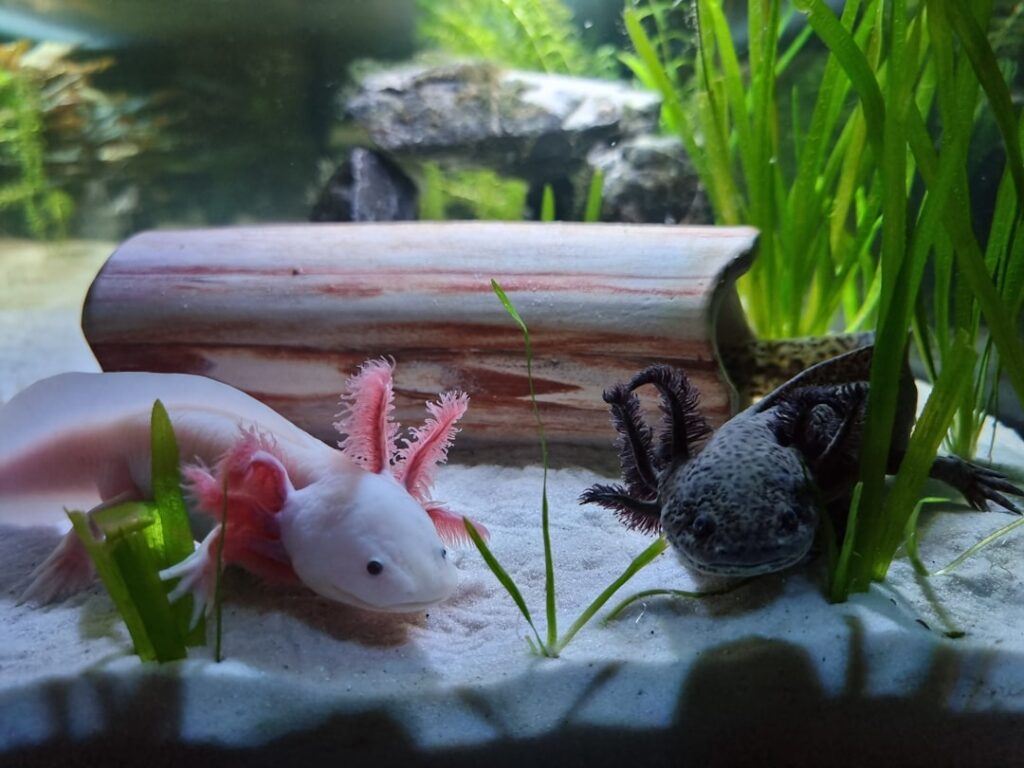
The quality of water and its flow rate significantly affect axolotl behavior. Poor water quality can lead to stress, which may manifest in various ways, including decreased appetite and increased susceptibility to disease. Additionally, the flow rate can influence their activity levels. A moderate flow is generally ideal, as it encourages natural behaviors while avoiding excessive stress. Studies have shown that when axolotls are kept in environments with optimal water conditions, their overall health improves, leading to longer lifespans and better reproductive success.
In captivity, it is crucial to monitor water parameters such as temperature, pH, and ammonia levels, as these factors interact with water flow to impact the overall well-being of axolotls. For instance, if the water becomes too warm, it can exacerbate the effects of poor flow, leading to stress and discomfort. Proper filtration systems that create gentle flows can enhance their habitat, mimicking their natural environment while ensuring that waste products are effectively removed.
Research indicates that axolotls kept in well-maintained aquatic environments exhibit more natural behaviors, such as foraging and social interactions. In contrast, those in suboptimal conditions often display signs of distress and may become less active. Therefore, understanding the intricate relationship between water quality, flow, and axolotl behavior is critical for anyone involved in their care.
Creating Optimal Conditions for Axolotls
To ensure the health and happiness of axolotls in captivity, it is essential to create an environment that caters to their water flow sensitivity. Here are several key considerations:
- Maintain a gentle water flow using appropriate filtration systems. This could include using sponge filters or canister filters that allow you to adjust the flow rate to suit the needs of your axolotls.
- Regularly test water quality to keep parameters within the ideal range. This includes monitoring ammonia, nitrite, and nitrate levels, as well as ensuring the water is dechlorinated and free from toxins.
- Provide hiding spaces and plants to create a comfortable habitat for axolotls. Live plants not only enhance the aesthetic of the aquarium but also provide areas for axolotls to explore and take refuge, which can help reduce stress.
By addressing these factors, aquarists can promote natural behaviors and reduce stress in their axolotls, leading to healthier and happier pets. It is also beneficial to observe axolotls regularly to assess their behavior and make adjustments as necessary, ensuring they thrive in their environment.
Fascinating Facts About Axolotls and Water Flow
Axolotls are full of surprises, especially when it comes to their interaction with water. Here are some intriguing facts about their water flow sensitivity:
1. Regeneration and Water Flow
Interestingly, axolotls are renowned for their regenerative abilities, which may be linked to their aquatic lifestyle. Water flow can influence the regeneration process, as it may help deliver essential nutrients to the injured areas more effectively. Research suggests that the movement of water plays a role in promoting cellular regeneration, providing a constant supply of oxygen and nutrients that aid in healing.
2. Natural Habitat Preferences
In their natural habitat, axolotls prefer slow-moving waters, such as lakes and canals, where they can easily navigate without excessive current. This preference reflects their evolutionary adaptations and highlights the importance of understanding their habitat needs. In addition, the clarity of the water and the presence of vegetation are crucial factors that influence their distribution in the wild.
 📖 Read also:
5 Essential Tips for Cooling Axolotl Tank Water Effectively
3. Social Behavior Influenced by Flow
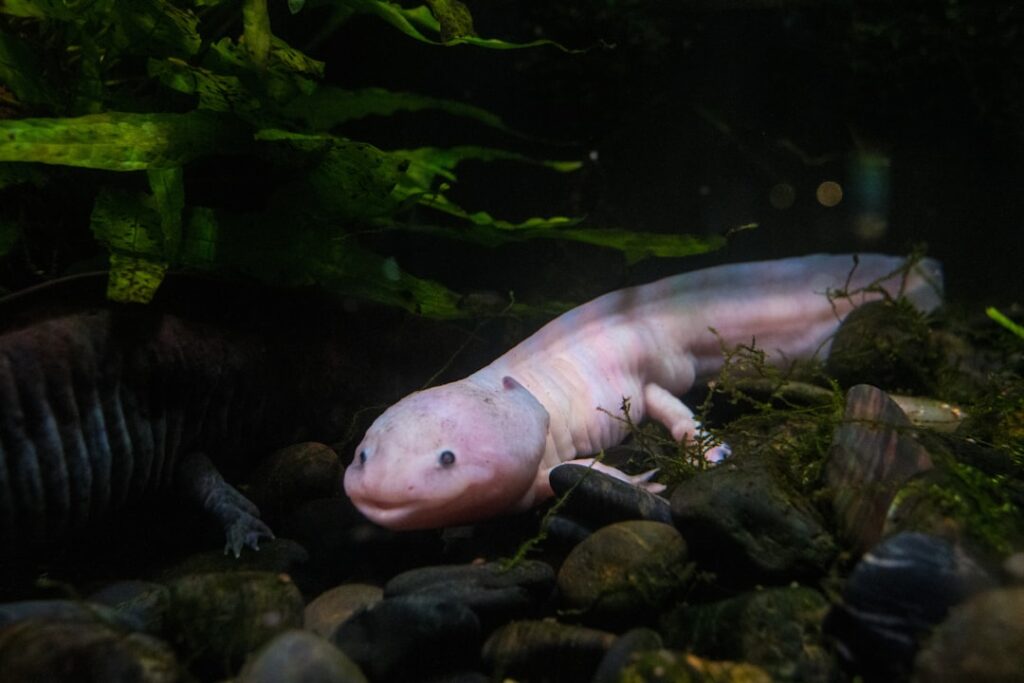
Water flow can also impact social interactions among axolotls. In environments with appropriate flow conditions, they may exhibit more natural social behaviors, such as exploring and interacting with one another. Conversely, in strong currents, they may become more isolated and stressed, inhibiting their natural social tendencies.
Conclusion: The Importance of Water Flow Sensitivity in Axolotls
Understanding axolotl water flow sensitivity is crucial for their conservation and care. By recognizing how these creatures interact with their environment, we can better support their needs in both natural and captive settings. From the role of lateral lines to the impact of water quality, every aspect plays a part in their overall health and behavior.
As you embark on your journey with axolotls, remember to consider their unique requirements regarding water flow. By providing a suitable environment, you can ensure that these fantastic creatures thrive and continue to captivate the hearts of many.
Frequently Asked Questions (FAQ)
What is the significance of water flow for axolotls?
Water flow is crucial for axolotls as it helps them detect prey, avoid predators, and navigate their environment. It also influences their feeding behavior and overall well-being.
How do axolotls sense water flow?
Axolotls sense water flow primarily through their lateral line system, which consists of specialized sensory organs that detect vibrations and movements in the water.
Can water flow affect axolotl health?
Yes, improper water flow can lead to stress, decreased appetite, and even health issues. It’s vital to maintain a gentle flow in their habitat.
What are the ideal water conditions for axolotls?
Axolotls thrive in clean water with a gentle flow, stable temperature, and appropriate pH levels. Regular monitoring of these factors is essential for their health.