
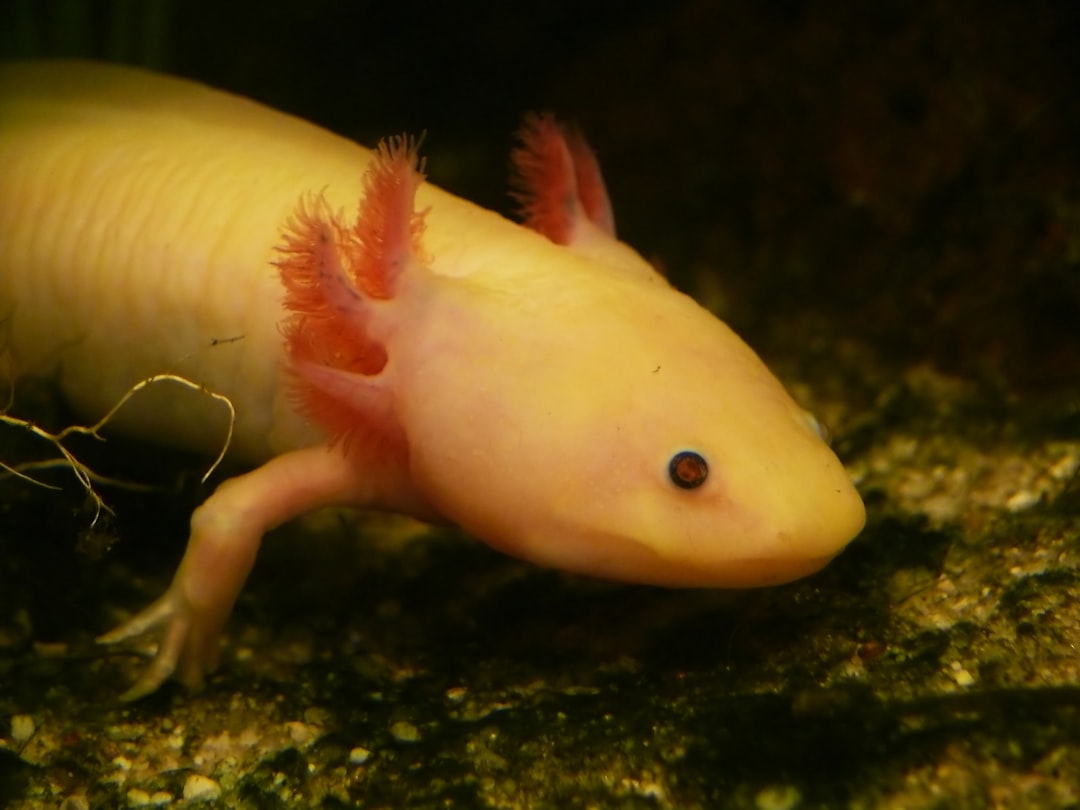
Axolotls, the fascinating amphibians known for their regenerative abilities, require specific care to thrive in captivity. One crucial aspect of their habitat is the filter flow rate, which significantly impacts their health and well-being. Understanding the optimal flow rate for axolotls can help aquarists create a stable environment that promotes their growth and longevity. In this article, we will explore the importance of filter flow rate in axolotl tanks, the ideal flow rates, and practical tips for maintaining a suitable aquarium environment.
The filter flow rate refers to the volume of water a filter can process in a given time, typically measured in gallons per hour (GPH). For axolotls, who prefer calmer waters, the filter flow rate is critical as it affects their ability to swim, feed, and breathe. Too strong a current can stress these delicate creatures, while too weak a flow can lead to poor water quality. Balancing these factors is essential for a thriving axolotl habitat.
In the following sections, we will delve into the ideal filter flow rates for axolotls, how to measure and adjust flow rates, and tips to keep your aquarium in optimal condition. Understanding these elements will empower you to provide the best care for your axolotls.
Understanding Axolotl Filter Flow Rate
Before we dive into specifics, it’s essential to understand why filter flow rate matters for axolotls. These creatures are naturally found in slow-moving waters, such as lakes and ponds, where they can easily navigate without excess current. In captivity, replicating these conditions is vital for their comfort and health. The natural habitat of axolotls plays a critical role in their behavior and physiological needs. In their native environment, the water is relatively still, allowing them to conserve energy and engage in natural behaviors like foraging and hiding.
Too high a flow rate can create a turbulent environment that not only stresses axolotls but can also make it difficult for them to feed. Axolotls have a unique feeding mechanism that relies on suction, making it challenging to capture food in strong currents. Conversely, a low flow rate may fail to keep the water properly filtered, leading to a buildup of harmful substances. Poor water quality can lead to health issues such as skin infections or gill problems, making it crucial to find the right balance for maintaining a healthy ecosystem in your aquarium.
What is the Ideal Flow Rate for Axolotls?
The ideal flow rate for axolotls typically ranges between 5 to 10 times the tank volume per hour. For example, if you have a 20-gallon tank, a flow rate of 100 to 200 GPH is generally recommended. This range allows for adequate filtration while keeping water movement gentle enough for axolotls to thrive. Achieving this flow rate can significantly influence the overall health of your axolotls. Research has shown that maintaining a stable flow rate can help reduce stress levels and encourage natural behaviors in these amphibians.
It’s important to note that individual axolotls may have different tolerances to water flow, so observing their behavior after adjusting flow rates is crucial. Some axolotls may be more sensitive than others; if they seem stressed or struggle to swim, it may indicate the flow is too strong. Additionally, factors such as tank size, decorations, and the presence of current-breaking elements can all affect how the flow is perceived by your axolotls. Therefore, regular monitoring is essential to ensure their comfort.
How to Measure Filter Flow Rate
Measuring the flow rate of your aquarium filter can be straightforward if you follow these steps:
- First, ensure your filter is running properly and is clean to get an accurate measurement.
- Use a container with a known volume (like a gallon jug) and place it under the filter’s output.
- Time how long it takes to fill the container completely.
- Use the formula: Flow Rate (GPH) = (Container Volume in Gallons / Time in Hours).
This method allows you to assess your current flow rate and make adjustments as needed to suit your axolotls. It’s also beneficial to repeat this measurement regularly, especially after maintenance or when changing filter media, as these actions can affect flow rates. Keeping a log of your flow rate measurements can help you identify patterns or issues over time, ensuring a consistently healthy environment for your axolotls.
Adjusting Filter Flow Rate for Optimal Conditions
Once you’ve measured the flow rate, you may need to make adjustments to cater to your axolotls’ needs. Here are some effective strategies to achieve the desired flow rate in your aquarium:
Using a Flow Reducer
A flow reducer is a simple tool that can be attached to the output of your filter to decrease water flow. This device allows you to fine-tune the flow rate, ensuring a gentle current that is suitable for axolotls. Flow reducers come in various designs, ranging from adjustable valves to specialized attachments that narrow the output stream. Implementing a flow reducer can significantly enhance the living conditions for your axolotls by minimizing stress and promoting natural behaviors.
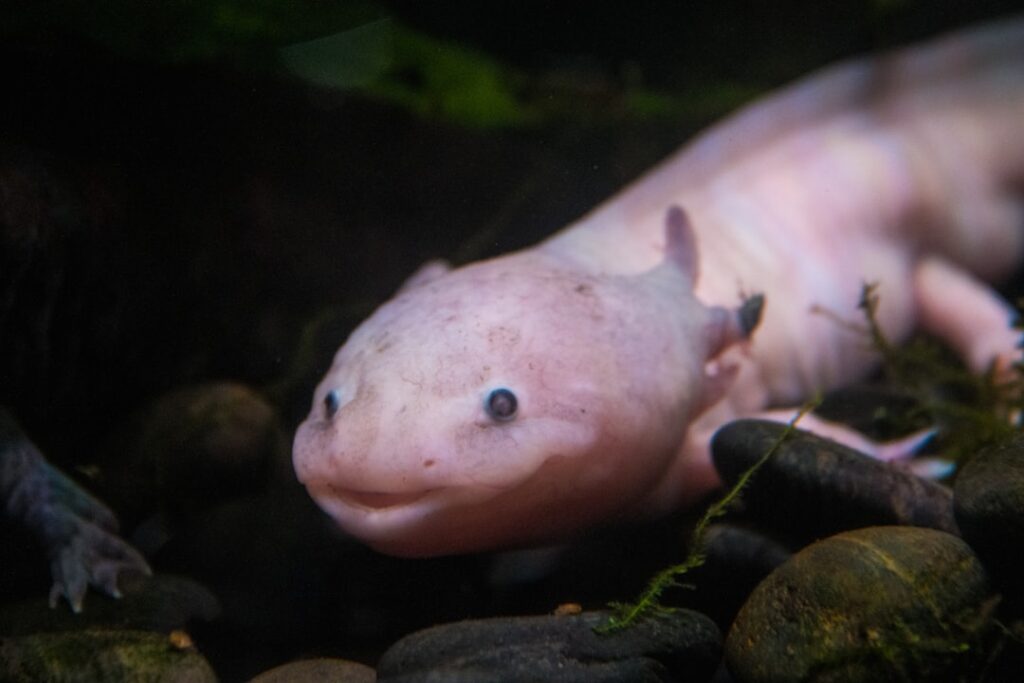
Moreover, using a flow reducer can help maintain a stable filtration system without compromising water quality. By controlling the flow, you can ensure that your filter operates efficiently while providing a calm environment for your pets. It’s advisable to monitor your axolotls after making these adjustments to ensure they are adapting well to the changes in their habitat.
Adjusting Filter Placement
Sometimes, the placement of your filter can create unwanted currents. Experimenting with moving the filter to different positions within the tank can yield positive results. Placing it at an angle or on a lower setting may help reduce the intensity of the flow. Additionally, positioning the filter towards a corner of the tank can help create a more controlled current, allowing your axolotls to have areas of calm water where they can rest and feel secure.
It’s also worth considering the layout of your tank when adjusting the filter placement. Adding decorations such as plants, rocks, or driftwood can help redirect and diffuse the current, creating a more stable environment. These elements not only contribute to reducing water flow but also provide hiding spots and enrichment for your axolotls, enhancing their overall well-being.
Adding Decorations
Incorporating plants, rocks, or other decor can help break the water’s surface tension and reduce the flow’s intensity. This not only aids in creating a calmer environment but also provides hiding spots for your axolotls. Aquatic plants, especially those with broad leaves, can act as natural barriers that absorb some of the flow energy, allowing axolotls to navigate their habitat more comfortably. Moreover, live plants can contribute to water quality by absorbing nutrients and producing oxygen, further enhancing the tank’s ecosystem.
When selecting decorations, it’s essential to choose materials that are safe for axolotls. Avoid sharp or rough surfaces that could harm their delicate skin or gills. Instead, opt for smooth rocks, driftwood, and soft aquarium-safe plants. Creating a visually appealing and functional environment can significantly improve the quality of life for your axolotls.
Maintaining Water Quality Alongside Flow Rate
Maintaining a proper flow rate is essential, but it should go hand in hand with regular water quality checks. Filters help keep the water clean, but they cannot eliminate the need for routine maintenance. Regularly testing the water for parameters like ammonia, nitrites, nitrates, and pH levels is crucial for a healthy tank. Understanding these chemical parameters will help you gauge the overall health of the aquarium and make informed decisions regarding water changes and other maintenance tasks.
Performing partial water changes and cleaning the substrate will further ensure optimal living conditions for your axolotls. It’s important to develop a maintenance routine that includes checking water parameters weekly and conducting water changes as needed. This routine will help you maintain a stable environment and prevent the buildup of harmful substances that can jeopardize your axolotls’ health.
Importance of Regular Water Testing
Testing your water regularly allows you to catch any issues before they become serious problems. You can use aquarium test kits available at pet stores to monitor the key parameters. Aim for stable water conditions, as fluctuations can stress your axolotls. For instance, sudden spikes in ammonia or nitrite levels can lead to toxicity, which may manifest as lethargy, loss of appetite, or respiratory distress in axolotls.
Establishing a routine for water testing can also help you understand the natural cycles within your aquarium. Being aware of how your tank’s parameters fluctuate with time can provide valuable insights into the ecological balance of your aquarium. Monitoring these changes will empower you to make proactive adjustments, ultimately benefiting the health of your axolotls.
Performing Regular Water Changes
Performing regular water changes, typically 20-30% weekly, can help maintain water quality. This practice dilutes toxins and replenishes essential minerals, contributing to a healthier environment for your axolotls. Additionally, regular water changes help to manage the buildup of organic waste and uneaten food, which can lead to harmful bacteria and pathogens.
When performing water changes, it’s best to use dechlorinated water that matches the temperature of the tank to avoid shocking your axolotls. Using a siphon can help remove waste from the substrate while minimizing disruption to your tank’s ecosystem. After completing a water change, monitor your axolotls’ behavior to ensure they are adjusting well to the changes in their environment.
 📖 Read also:
Discover the Best Filter for Axolotl Tank: The Ultimate Guide You Need!
Keeping the Tank Clean
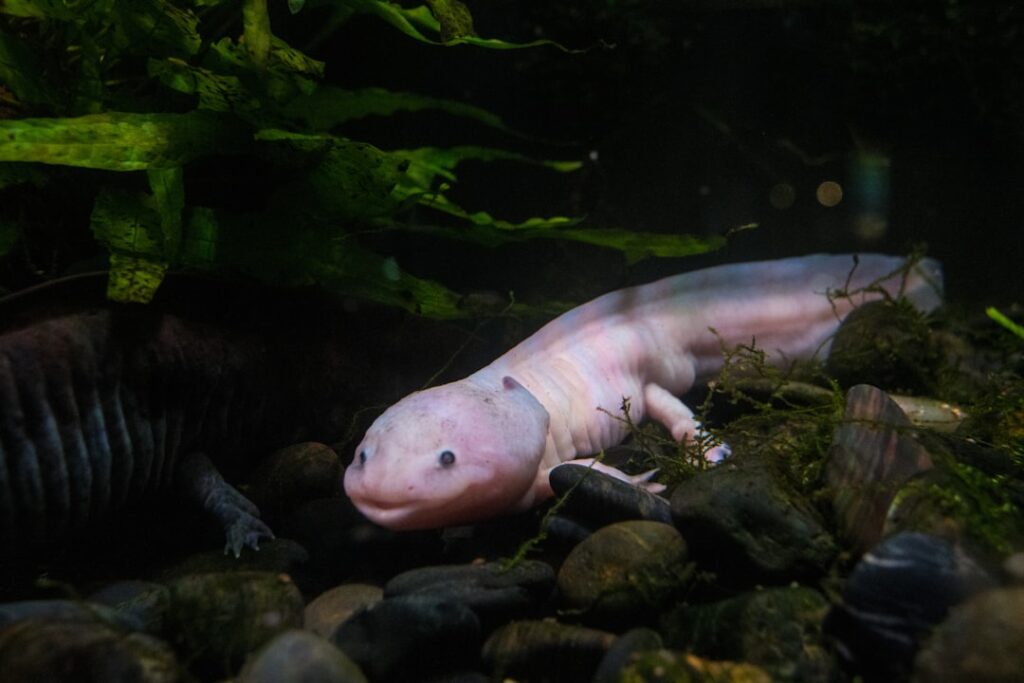
In addition to water changes, it’s vital to clean your tank regularly. Remove uneaten food, waste, and debris from the substrate to prevent harmful bacteria from forming. A clean tank will support the filtration system and provide a better habitat for your axolotls. Regular cleaning will not only improve aesthetics but will also minimize the risk of disease and health complications.
Consider using aquarium-safe tools like gravel vacuums and algae scrapers to maintain cleanliness. Establishing a regular cleaning schedule can help ensure that your tank remains in top condition, allowing your axolotls to thrive. Moreover, engaging in routine maintenance fosters a deeper connection with your aquarium, enhancing your enjoyment as an aquarist.
Conclusion
Understanding and managing the filter flow rate in your axolotl tank is critical for their health and happiness. By ensuring the flow rate is suitable for their needs and maintaining overall water quality, you can create a thriving environment that allows your axolotls to flourish. Remember, the key is to observe your pets and adjust accordingly to provide them with the best possible care.
For those passionate about keeping axolotls, mastering the intricacies of water flow and quality will enhance your experience and ensure the longevity of these unique creatures. Be proactive in your care, and your axolotls will reward you with their fascinating behaviors and vibrant presence in your aquarium.
Frequently Asked Questions (FAQ)
What is the best filter flow rate for axolotls?
The ideal flow rate for axolotls is typically between 5 to 10 times the tank volume per hour, depending on the specific needs of the axolotls and the tank setup.
How can I reduce filter flow for axolotls?
You can reduce filter flow by using a flow reducer, adjusting the filter placement, or adding decorations to the tank that disrupt the current.
How often should I change the water in my axolotl tank?
It is recommended to perform partial water changes of 20-30% weekly to maintain water quality and provide a healthy environment for axolotls.
Why is water quality important for axolotls?
Water quality is vital for axolotls as poor conditions can lead to stress, illness, and even death. Regular testing and maintenance help ensure a safe habitat.
1 thought on “Everything You Must Learn About Filter Flow Rate Axolotl in Your Aquarium”