
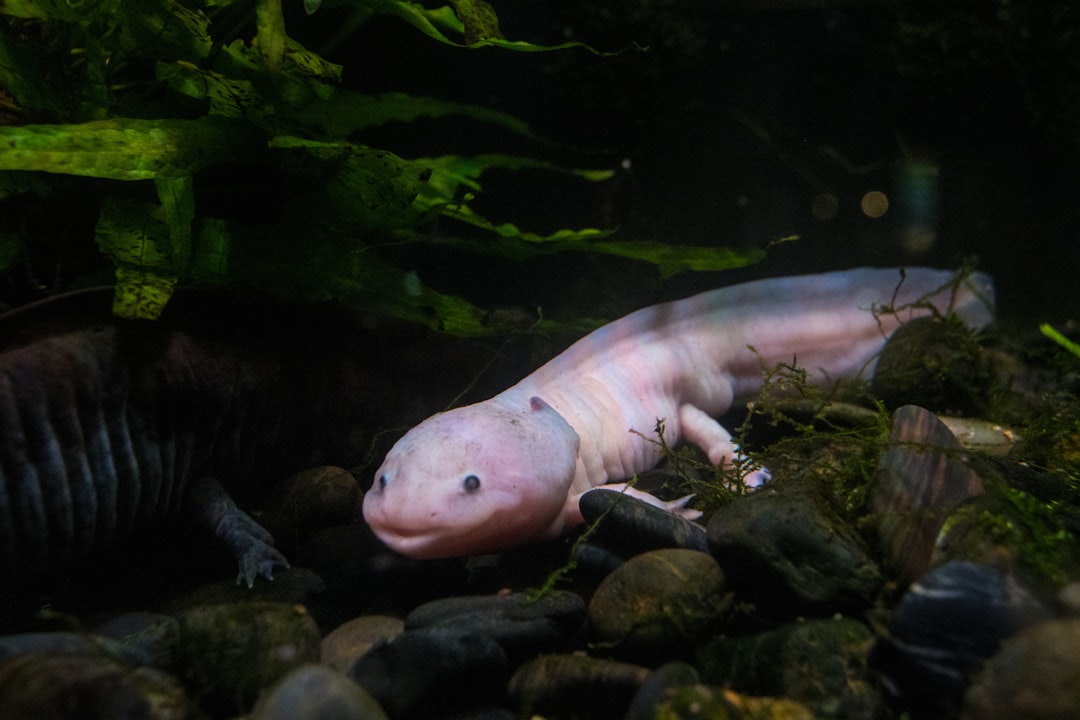
Setting up an axolotl filter is crucial for maintaining a clean and healthy environment for your aquatic pet. Axolotls are unique creatures that thrive in well-filtered water, which helps to remove toxins and provides a stable habitat. In this article, we will explore everything you need to know about axolotl filter setups, from types of filters to maintenance tips, ensuring your axolotl lives a long and happy life.
Choosing the right filter can be a daunting task, especially with so many options available on the market. It’s essential to consider the specific needs of axolotls, which include low water flow and a gentle filtration system. This guide will simplify the process by providing practical advice and insights based on experience and expertise in axolotl care.
By the end of this article, you will have a comprehensive understanding of how to set up an effective filter for your axolotl tank, helping you create the perfect environment for these fascinating amphibians.
Choosing the Right Filter for Your Axolotl
When selecting a filter for your axolotl tank, there are several factors to consider. Axolotls are sensitive to water conditions, so the filter must be suitable for their unique needs. Here are key points to keep in mind:
First, it’s vital to choose a filter that provides mechanical, biological, and chemical filtration. Mechanical filtration removes debris and particles from the water, biological filtration promotes the growth of beneficial bacteria that break down waste, and chemical filtration helps eliminate toxins. A good combination of these filtration methods will ensure a balanced ecosystem in your aquarium. This balance is crucial because axolotls are prone to health issues if their environment is not properly maintained.
Secondly, the flow rate of the filter is essential. Axolotls prefer calm waters, so a filter with adjustable flow settings or one designed for low flow is ideal. This will prevent your axolotl from being stressed by strong currents, allowing them to swim and explore comfortably. To find the right flow, consider the size of your tank and the specific needs of your axolotl. A gentle and stable flow will help mimic their natural habitat, which is critical for their overall well-being.
Types of Filters Suitable for Axolotls
There are several types of filters available, each with its advantages and disadvantages. Here are a few that are particularly suitable for axolotls:
- Hang-on-Back (HOB) Filters: These filters are easy to install and maintain. They provide excellent mechanical and biological filtration and can be adjusted for flow rates. However, some models may produce too much current, so it’s important to choose one with adjustable settings. HOB filters typically work by drawing water from the tank, pushing it through filter media, and returning it to the tank, which can create a waterfall effect that some axolotls may find distressing.
- Canister Filters: These filters offer powerful filtration and are ideal for larger tanks. They can handle more significant debris and provide efficient filtration, but they can be more complex to set up and maintain. Canister filters are closed systems that can include multiple types of filter media, allowing for customized filtration. This versatility can greatly benefit your axolotl’s habitat, as they can effectively remove waste while maintaining the right water quality.
- Sponge Filters: Sponge filters are gentle and provide excellent biological filtration. They are perfect for axolotls as they create minimal water movement, ensuring a calm environment. They are also inexpensive and easy to clean. The sponge acts as a breeding ground for beneficial bacteria, which helps to maintain water quality and is particularly beneficial for young axolotls or smaller tanks.
Setting Up Your Filter
Once you have chosen the right filter, it’s time to set it up. Here are the steps to follow:
 📖 Read also:
Unlock the Secrets to a Thriving Axolotl Breeding Tank Setup
- Gather your equipment: Ensure you have all necessary tools, including the filter, tubing, and any additional materials like filter media.
- Install the filter: Follow the manufacturer’s instructions for installation. Place the filter at the appropriate height and secure it to the tank. Make sure that the filter intake is positioned correctly to avoid disturbing your axolotl.
- Connect the tubing: If using a canister filter, connect the intake and output tubing to ensure proper water circulation. Ensure there are no leaks in the connections to maintain consistent water flow.
- Add filter media: Include sponge, foam, or activated carbon as needed, depending on the type of filter you have chosen. It’s important to use a combination of media that promotes both mechanical and biological filtration.
- Test the flow: Before adding your axolotl, test the flow rate to ensure it is not too strong. Adjust as necessary. This is a critical step; observe how the water moves in the tank and make adjustments to create a calm environment.
Maintaining Your Axolotl Filter
Regular maintenance of your axolotl filter is essential for keeping the water clean and safe. Here are some tips to help you maintain your filter efficiently:
First, clean the filter media regularly to prevent the buildup of waste and debris. Depending on the type of filter, this could be weekly or monthly. Use water from the tank to rinse the media, as tap water can kill beneficial bacteria. When cleaning, inspect the filter components for wear and tear, as replacing worn-out parts can enhance the filter’s efficiency.
Second, check the flow rate and adjust it as needed. Over time, filters can lose efficiency, so it’s important to monitor performance regularly. If you notice any changes in flow, it may be time to clean or replace filter media. Additionally, regularly testing the water parameters can help you understand whether your filter is functioning properly.
Lastly, replace any filter cartridges or media as recommended by the manufacturer. This will ensure that your filter continues to operate effectively and provide a healthy environment for your axolotl. An efficient filter not only helps maintain water clarity but also contributes to the overall health of your axolotl by preventing the accumulation of harmful substances in the tank.
Common Mistakes to Avoid
When setting up and maintaining an axolotl filter, there are common mistakes that many new owners make. Here are a few to avoid:
One mistake is choosing a filter with too strong of a flow. Axolotls do not thrive in strong currents, so always opt for filters with adjustable flow settings or those designed for low flow. Understanding the specific needs of your axolotl can guide you in selecting the right filter and settings.
Another common error is failing to perform regular maintenance. Neglecting filter upkeep can lead to toxic buildup in the tank, which can harm your axolotl. Set a schedule for cleaning and monitoring your filter to prevent this issue. Additionally, failing to monitor water parameters can lead to unseen issues that may impact your axolotl’s health.
 📖 Read also:
The Ultimate Guide to Axolotl Tank Setup: Create a Perfect Home!
Finally, some owners may overlook the importance of beneficial bacteria in their filter. Avoid cleaning your filter with tap water, as it can kill these essential bacteria. Instead, use tank water to maintain your filter’s ecosystem. Maintaining a stable colony of beneficial bacteria is crucial for keeping your tank’s nitrogen cycle healthy.
Conclusion
Setting up an axolotl filter is a fundamental aspect of caring for these unique amphibians. By choosing the right filter, maintaining it properly, and avoiding common mistakes, you can create a healthy and thriving environment for your axolotl. Remember that a well-filtered tank not only benefits your pet but also enhances the overall beauty of your aquarium. A clean environment supports your axolotl’s health, ensuring they can thrive and exhibit their natural behaviors.
Now that you know how to set up and maintain an axolotl filter, you can ensure your aquatic friend enjoys a clean and safe habitat for years to come. Investing time and effort into proper filtration will pay off with the long-term health and happiness of your pet.
Pertanyaan Umum (FAQ)
What type of filter is best for axolotls?
The best filters for axolotls are sponge filters, hang-on-back filters, and canister filters. Sponge filters are particularly favored for their gentle flow and excellent biological filtration. The choice of filter should align with the size of your tank and the specific needs of your axolotl.
How often should I clean my axolotl filter?
It’s recommended to clean your axolotl filter every 4-6 weeks, depending on the type of filter and the size of your tank. Regular maintenance helps prevent toxic buildup. Keeping a consistent cleaning schedule can significantly enhance the water quality in your tank.
Can I use tap water to clean the filter?
No, avoid using tap water to clean your filter as it can kill beneficial bacteria. Instead, rinse the filter media with water taken from the tank. This practice helps preserve the essential microorganisms that contribute to a healthy aquarium ecosystem.
Is a strong filter harmful to axolotls?
Yes, strong filters can create currents that stress axolotls. Always opt for filters with adjustable flow settings or those designed for low flow to keep your axolotl comfortable. A calm tank environment is crucial for their well-being.