
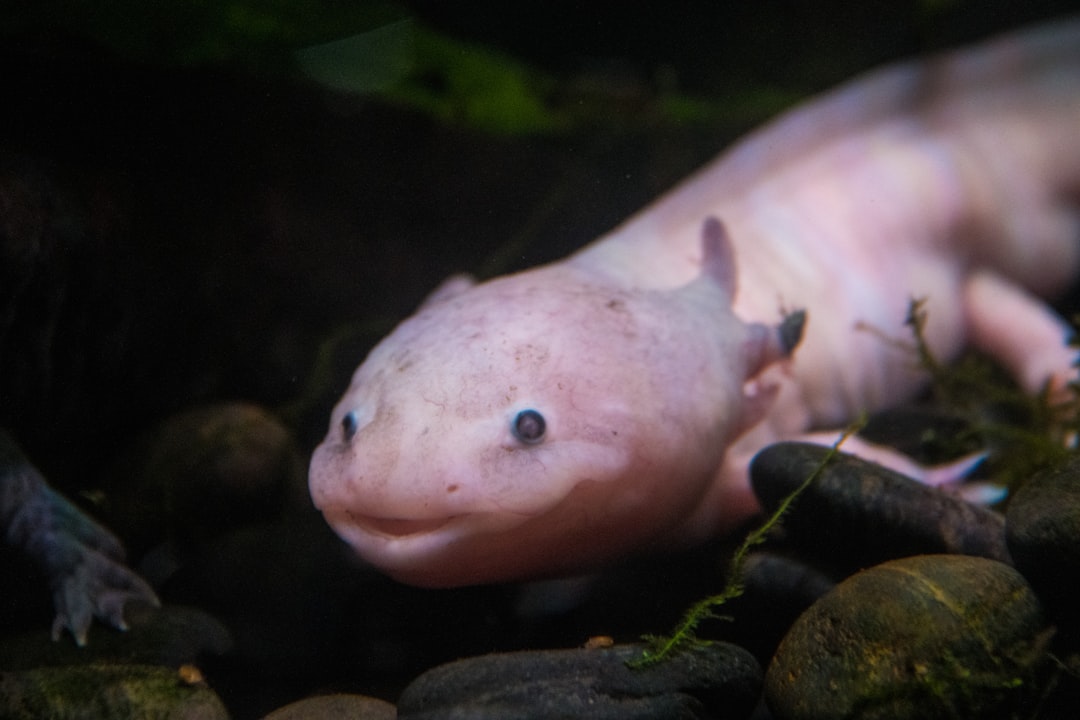
Axolotls, fascinating aquatic creatures known for their regenerative abilities, require specific conditions to thrive. One of the most critical aspects of their habitat is temperature control. Maintaining an ideal temperature in an axolotl tank can be challenging, especially in warmer climates. This is where fan cooling systems come into play. In this article, we’ll explore the importance of cooling systems for axolotl tanks, how they work, and essential tips for effective implementation.
Cooling your axolotl tank with fans can help prevent overheating, which can lead to stress and health issues for these delicate animals. Excessive heat can also affect their metabolic processes and lead to more severe health complications. With the right approach, you can ensure a comfortable environment for your axolotl, enhancing its well-being and longevity. Let’s dive into the details of axolotl tank fan cooling.
Effective Strategies for Axolotl Tank Fan Cooling
To maintain an optimal environment for your axolotl, implementing effective cooling strategies is crucial. Below are seven essential tips for cooling your axolotl tank with fans, ensuring they stay healthy and active. By carefully considering each aspect of your setup, you can create a balanced environment that supports your axolotl’s needs.
Choose the Right Type of Fan
When selecting a fan for your axolotl tank, consider options such as clip-on fans or small desk fans. Clip-on fans are convenient as they can be easily attached to the tank rim, providing targeted airflow that can be directed precisely where it’s needed most. Ensure the fan is quiet, as excessive noise can stress your axolotl. Nocturnal creatures like axolotls can be particularly sensitive to disturbances during their resting periods, so a silent fan is ideal.
Additionally, choose a fan with adjustable speed settings to control the airflow intensity based on the tank temperature. This feature allows you to fine-tune the cooling effect, providing gentle airflow when temperatures are moderate and increasing it during hotter periods. Also, consider fans that have oscillation features, as this can help distribute air more evenly across the tank’s surface, enhancing the cooling effect without concentrating airflow in one area.
Position the Fan Strategically
The placement of the fan plays a significant role in its effectiveness. Position the fan so that it blows air across the water’s surface. This airflow helps evaporate water, which cools the tank effectively, as the process of evaporation absorbs heat from the water. Avoid direct airflow on the axolotl, as it can cause stress and disrupt their natural behavior. Direct drafts can lead to discomfort and potentially impact their health, so careful positioning is essential.
Experiment with different angles and distances to find the optimal position for cooling. You might find that positioning the fan at an angle rather than directly above the water can help create a gentle breeze that promotes evaporation without overwhelming your axolotl. Monitoring how your axolotl reacts to different fan positions can also provide insights into the best setup for its comfort and health.
Monitor Temperature Regularly
Keeping an eye on the water temperature is essential for the health of your axolotl. Use a reliable aquarium thermometer to monitor the temperature regularly. Ideally, the water temperature should be maintained between 16-18°C (60-64°F). Temperatures above this range can lead to stress and health issues, so having a dependable thermometer is crucial for timely adjustments.
If the temperature exceeds this range, adjust the fan’s speed or position accordingly to bring it down to the ideal level. It’s also wise to keep a log of temperature readings to identify patterns in fluctuations. This data can help you understand how external factors, such as room temperature or time of day, impact your tank’s environment, allowing for better management of cooling strategies.
Consider Water Level Adjustments
Lowering the water level in your axolotl tank can enhance the cooling effect of the fan. With less water, there is a larger surface area for evaporation, which contributes to a drop in temperature. This method can be particularly effective during heat waves or in particularly warm climates. However, ensure there is still enough water for your axolotl to swim comfortably and breathe properly, as axolotls rely on water for gill respiration.
Keep in mind that while lowering the water level can help with cooling, it’s essential to balance this with the needs of your axolotl. If the water level is too low, it can lead to stress or difficulty in locomotion. Regularly assess the water level and make gradual adjustments to avoid sudden changes that could affect your axolotl’s comfort.
 📖 Read also:
5 Essential Tips for Cooling Axolotl Tank Water Effectively
Use a Thermoelectric Cooler
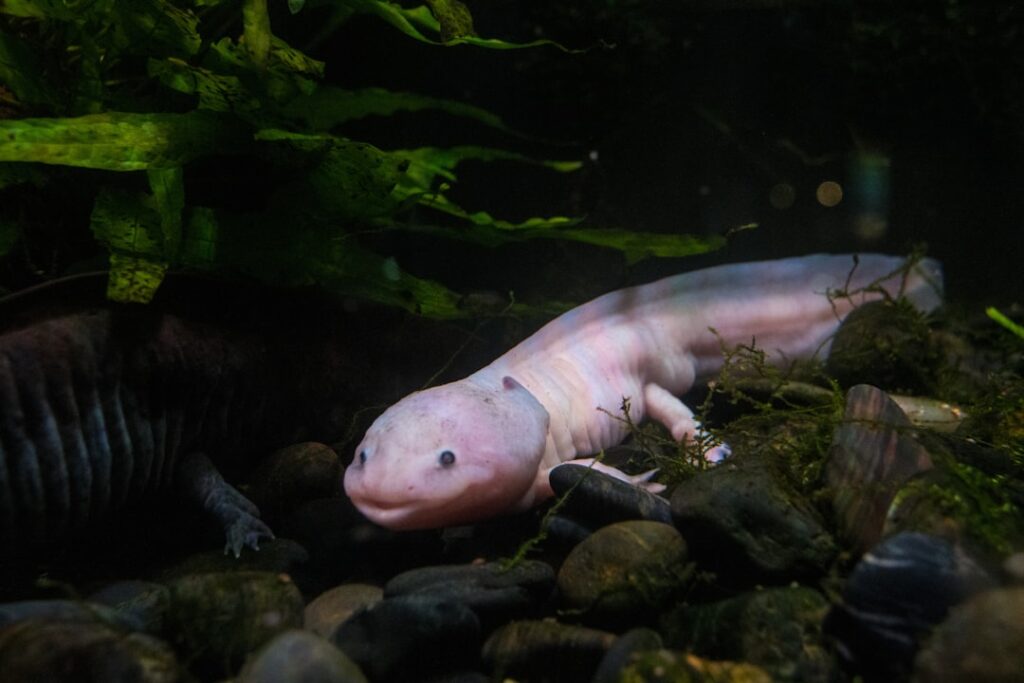
If you live in a particularly warm climate, consider using a thermoelectric cooler in conjunction with your fan. These devices can actively cool the water, providing an additional layer of temperature control. Thermoelectric coolers can maintain a stable temperature in your tank, especially during extreme heat waves where fan cooling alone may not suffice.
While this may require a higher initial investment, it can be beneficial for maintaining stable conditions in extreme heat. Be sure to choose a unit that is specifically designed for aquarium use to avoid any damage to your tank’s environment. Additionally, integrating a thermoelectric cooler with your fan system can create a multi-faceted approach to temperature control, optimizing conditions for your axolotl.
Maintain Proper Tank Environment
Maintaining a clean and well-structured tank can also aid in temperature regulation. Regular water changes and substrate cleaning help prevent algae growth and other factors that can raise the water temperature. A well-maintained tank not only supports cooling efforts but also promotes overall aquatic health.
Ensure your tank has adequate filtration and aeration to promote a healthy habitat for your axolotl. Good filtration removes waste and prevents the accumulation of harmful substances, while aeration helps maintain oxygen levels and supports beneficial bacteria that keep the ecosystem balanced. Together, these practices can help create a stable environment that supports your axolotl’s needs.
Observe Axolotl Behavior
Lastly, always observe your axolotl for signs of stress or discomfort. If your axolotl is frequently hiding, floating at the surface, or displaying unusual behavior, it may indicate temperature issues or other environmental stressors. Regularly monitoring their behavior can help you catch any problems early and adjust your cooling methods accordingly.
Understanding your axolotl’s normal behavior can help you identify when something is wrong. For instance, if your axolotl suddenly becomes less active or stops eating, it may be a sign to re-evaluate the tank’s temperature and overall environment. Being proactive in observing your axolotl’s behavior can ensure they remain healthy and stress-free.
Understanding the Science Behind Fan Cooling
Fan cooling works through the principle of evaporative cooling, where airflow over the water surface increases evaporation rates. This process absorbs heat from the water, resulting in a lower temperature. Understanding this principle can help you optimize your cooling setup effectively. The efficiency of fan cooling can be particularly noticeable during hot summer months when temperatures rise significantly.
Moreover, it’s essential to maintain humidity levels in your tank. While evaporative cooling is beneficial, excessive evaporation can lead to low water levels and increased salinity, which can harm your axolotl. Balancing airflow and humidity is crucial for a healthy habitat, as both factors play a significant role in your axolotl’s overall health and well-being.
Common Mistakes to Avoid with Axolotl Tank Cooling
While cooling your axolotl tank with fans can be effective, there are common mistakes that many aquarists make. Here are a few pitfalls to avoid to ensure the well-being of your axolotl. By being aware of these common errors, you can better protect your aquatic pet and maintain a healthy aquarium environment.
Overcooling the Tank
One mistake is overcooling the tank, which can lead to thermal shock for your axolotl. Rapid temperature changes can be detrimental to their health. Gradually adjust the cooling settings and monitor the temperature closely to avoid drastic fluctuations. Sudden drops in temperature can cause stress and even illness, so it’s important to allow your axolotl to acclimate to any changes.
 📖 Read also:
Essential Tips for Every Owner on Testing Axolotl Tank Water: Unlocking the Secrets
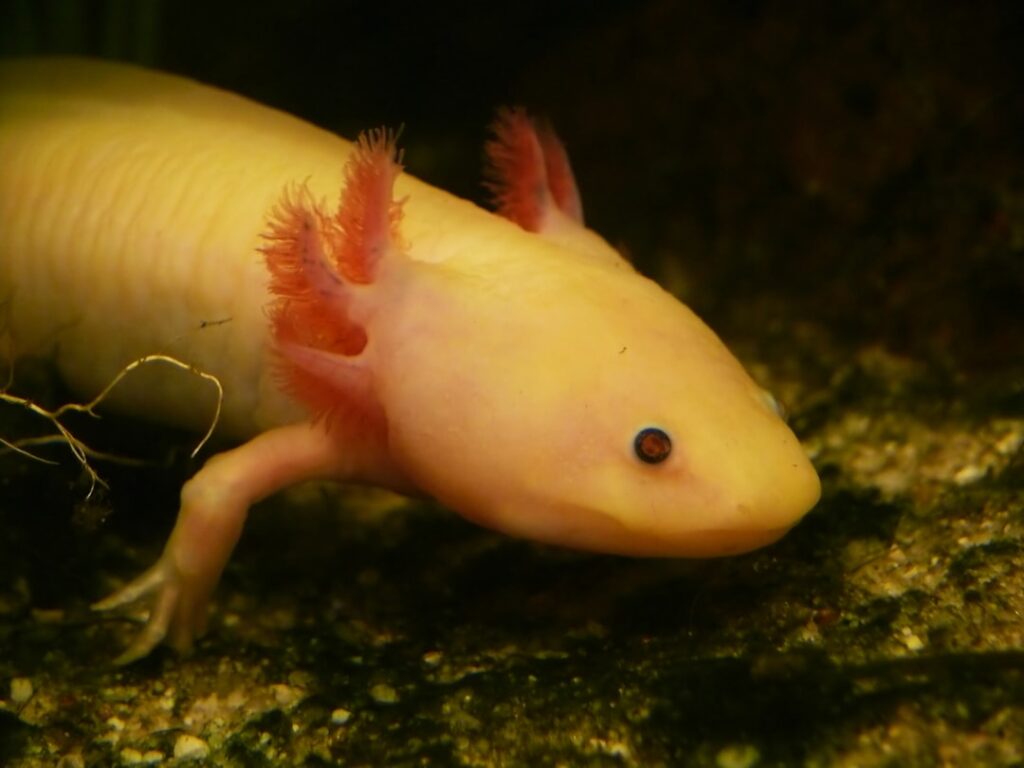
To prevent overcooling, set a temperature range that you aim to maintain and avoid making abrupt changes to the cooling setup. Utilizing a thermometer with an alarm feature can help you stay within the desired temperature range, alerting you if the temperature strays too far from what is optimal.
Neglecting Water Quality
Another common error is neglecting water quality in the quest for temperature control. Ensure that while you focus on cooling, you also maintain proper water parameters, such as pH, ammonia levels, and nitrate concentrations. Regular water testing is key to a healthy environment; without proper water quality, your axolotl could face health issues regardless of temperature control.
Implement a routine for water testing and changes, keeping a close eye on any shifts in water quality that could arise from the cooling methods employed. Additionally, consider using water conditioners that help maintain stable parameters and remove harmful chemicals that could affect your axolotl’s health.
Ignoring Fan Maintenance
Fans require maintenance to function effectively. Dust and debris can obstruct airflow, reducing cooling efficiency. Regularly clean your fan and check for any mechanical issues to ensure optimal performance throughout hot seasons. A neglected fan can lead to inadequate cooling and may even malfunction, leaving your axolotl in a potentially dangerous environment.
Establish a cleaning schedule for your fan, ensuring that it remains free from obstructions. This practice not only enhances efficiency but also extends the life of the fan. Checking the fan’s components for wear and tear can help you catch any issues before they become significant problems.
Conclusion
Cooling your axolotl tank with fans is a practical solution for maintaining a stable environment for these unique creatures. By selecting the right fan, positioning it carefully, and monitoring temperature diligently, you can create a comfortable habitat for your axolotl. Remember to avoid common mistakes and prioritize water quality to ensure their health and happiness. With these tips in hand, you’ll be well-equipped to master axolotl tank fan cooling, ensuring a thriving environment for your aquatic companion.
Frequently Asked Questions (FAQ)
How often should I check the temperature of my axolotl tank?
You should check the temperature at least once a day, especially during warmer months, to ensure it remains within the ideal range of 16-18°C (60-64°F). This routine monitoring is crucial for preventing temperature-related stress.
Can I use any type of fan for my axolotl tank?
While you can use various types of fans, it is best to choose ones that are quiet and can be adjusted to ensure gentle airflow across the water’s surface. Avoid fans that create strong drafts directly on the axolotl, as this can disturb their natural behavior.
Is fan cooling enough to maintain the temperature?
Fan cooling can be effective, but in extremely hot conditions, you may need supplemental cooling methods, such as a thermoelectric cooler, to maintain stable temperatures. Combining methods can provide a more consistent environment.
What signs indicate my axolotl is stressed due to temperature?
Signs of stress include hiding frequently, floating at the surface, or abnormal swimming behavior. If you observe these signs, check the tank temperature immediately and make necessary adjustments to ensure a comfortable habitat.