

Keeping axolotls healthy and happy involves maintaining the right water temperature in their tanks. As ectothermic creatures, axolotls rely on their environment to regulate their body temperature. Therefore, if the water becomes too warm, it can lead to stress, health issues, or even fatality. In this article, we will explore several effective methods to cool your axolotl tank water, ensuring your aquatic pets thrive in a comfortable habitat.
Whether you’re a new axolotl owner or a seasoned enthusiast, understanding how to manage water temperature is crucial. In warmer climates or during summer months, tanks can heat up quickly, making it imperative to have strategies in place. Below, we will delve into the various techniques you can use to cool your axolotl tank water effectively.
Ways to Cool Your Axolotl Tank Water
Maintaining an optimal water temperature for your axolotl tank is not just about comfort; it directly affects their health and longevity. The right temperature range is essential for their metabolic processes, immune function, and overall activity levels. Here, we’ll outline several strategies to help lower the water temperature safely and efficiently. These methods can be implemented based on your specific circumstances and the resources available to you.
Each of these methods has its own advantages and potential drawbacks, and it’s important to consider factors like cost, ease of implementation, and the specific needs of your axolotl. By understanding these methods, you can choose the best approach for your situation, ensuring that your axolotl remains healthy and comfortable in their environment.
Use a Fan to Evaporate Water
One of the simplest ways to cool your tank water is by using a fan. Position a small fan near the tank, ensuring it blows air across the surface of the water. This method promotes evaporation, which helps decrease the temperature. The cooling effect occurs as water evaporates, removing heat from the water surface. It’s essential to monitor the water level, as increased evaporation may require more frequent water changes or top-offs.
Additionally, ensure that the fan is not blowing directly into the tank, as this could create stress for your axolotl. Instead, aim the fan at an angle so that the air circulates around the tank, enhancing evaporation without creating strong currents in the water that could disturb your axolotl. Experiment with different fan placements and speeds to find the most effective setup for your tank’s specific conditions.
Install an Aquarium Chiller
If you are serious about keeping your axolotl tank at a precise temperature, investing in an aquarium chiller is a worthwhile option. These devices are designed to cool aquarium water efficiently and maintain a stable temperature. They work by circulating water through a refrigeration unit, which cools it before returning it to the tank. This method provides consistent temperature control, making it ideal for serious aquarists who want to ensure optimal conditions for their pets.
While this method can be more expensive initially, the long-term benefits often outweigh the costs. Aquarium chillers come in various sizes and capacities, so it’s essential to choose one that suits the size of your tank. Additionally, consider energy efficiency, as running a chiller continuously can increase your electricity bill. Proper installation and maintenance of the chiller will also enhance its performance and lifespan.
Add Ice Packs or Frozen Bottles
A quick and temporary solution to cool your tank water is to use ice packs or frozen water bottles. Wrap ice packs in a cloth and place them in the tank, or float a sealed bottle of frozen water on the surface. This method can quickly lower the water temperature but requires constant monitoring to avoid sudden drops that could shock your axolotl. A gradual decrease in temperature is preferable to prevent stress.
Always ensure that the ice packs or bottles are securely sealed to prevent contamination. Using multiple smaller bottles instead of one large one can help distribute the cooling effect more evenly across the tank. It’s also advisable to rotate the ice packs or bottles regularly to maintain consistent cooling. Keep in mind that this method is best for short-term cooling and should not be relied upon for long-term temperature management.
 📖 Read also:
Essential Tips for Every Owner on Testing Axolotl Tank Water: Unlocking the Secrets
Increase Water Movement
Boosting water circulation can help disperse heat throughout the tank. You can achieve this by adding a water pump or adjusting your filter settings to increase flow. Adequate water movement can help maintain a more consistent temperature across the tank, minimizing hot spots that could negatively impact your axolotl.
However, be cautious not to create strong currents, as axolotls prefer calm waters. Too much movement can be stressful for them, so it’s essential to find a balance. Consider using adjustable pumps or flow diffusers to manage water movement effectively. Observing your axolotl’s behavior in response to increased flow can help you determine if the water movement is suitable for their comfort.
Keep the Tank in a Cooler Area
Locating your axolotl tank in a cooler part of your home can significantly impact water temperature. Avoid placing the tank in direct sunlight or near heat sources like radiators or heating vents. Instead, choose a shaded, cooler area, which can help maintain a lower water temperature naturally. The ambient temperature of the room plays a crucial role in the overall temperature of the tank water.
Additionally, during hot days, consider using shades or curtains to block sunlight from warming the tank. You can also use reflective materials or insulation around the tank to reduce heat absorption. By being mindful of the tank’s location and environmental factors, you can create a more stable and comfortable habitat for your axolotl.
Regular Water Changes
Performing regular water changes helps maintain not only the water quality but also the temperature. When replacing old water with cooler water, make sure to gradually mix it with the existing tank water to avoid shocking your axolotl. This gradual mixing is crucial, as sudden temperature changes can be detrimental to their health.
Regular maintenance also ensures that your axolotl has a healthy environment to thrive. In addition to temperature control, water changes help remove harmful toxins and excess nutrients that can accumulate in the tank. Establish a routine for water changes based on your tank’s size and bioload, and always treat new water with dechlorinator to ensure it is safe for your axolotl.
Importance of Monitoring Water Temperature
Understanding the importance of water temperature is vital for the well-being of your axolotl. Maintaining temperatures between 16°C to 18°C (60°F to 64°F) is ideal. Temperatures above 20°C (68°F) can lead to stress and health issues. Regularly monitoring the temperature using an aquarium thermometer will help you take necessary actions promptly.
Being proactive about temperature management can prevent severe health issues such as gill damage or weakened immune systems. Having a reliable thermometer in your setup will offer peace of mind and assist you in maintaining a stable environment for your axolotl.
Signs of Temperature Stress
It’s crucial to be aware of the signs that your axolotl is experiencing temperature stress. Common symptoms include excessive hiding, lethargy, or changes in appetite. If you notice these signs, it may be time to implement cooling methods immediately. Additionally, monitor their gills and skin for any unusual discoloration or slime production, as these can also indicate distress.
 📖 Read also:
Is Your Tap Water Safe for Axolotls? Essential Insights Revealed!
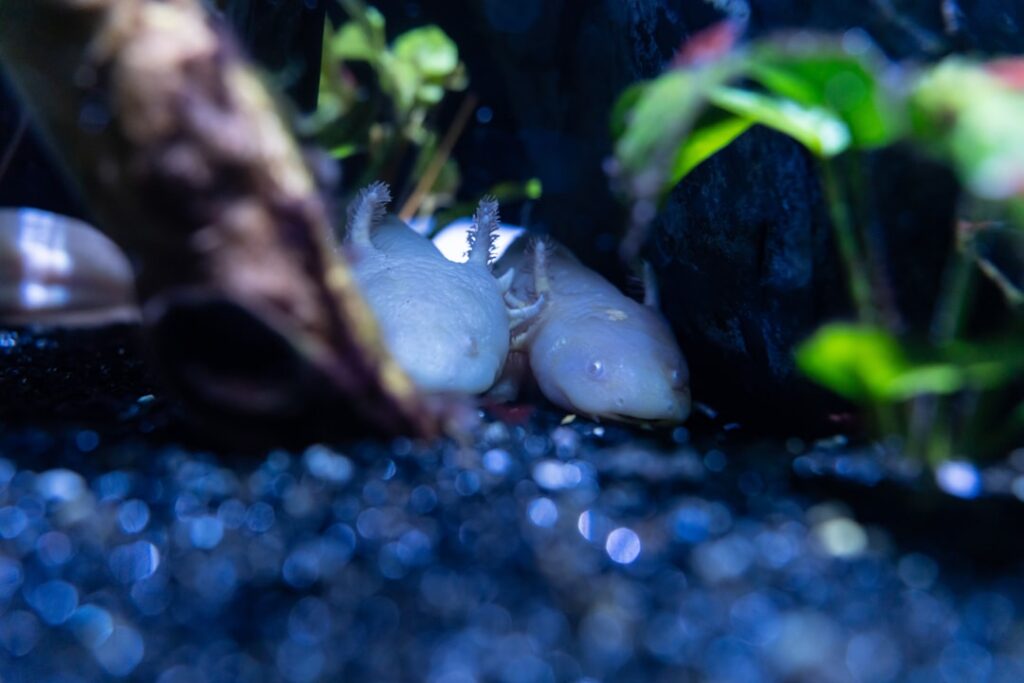
Keeping a close eye on your axolotl’s behavior can help you ensure their health and happiness. Changes in their typical behavior patterns can be a red flag, signaling that the current water conditions are not suitable for them. By observing and acting quickly, you can prevent potential health issues from escalating.
Using a Thermometer
Investing in a reliable aquarium thermometer is essential for every axolotl owner. Digital thermometers provide accurate readings, allowing you to monitor temperature changes effectively. Regular checks can help you maintain optimal conditions and prevent unexpected fluctuations that could harm your pet.
Consider placing the thermometer in a location that accurately represents the main body of water, avoiding areas near the heater or filter output where temperatures may differ. Some thermometers come with alarms or alerts for temperature changes, which can be a helpful feature for busy pet owners.
Conclusion
Cooling your axolotl tank water is crucial for maintaining a healthy habitat for your aquatic friends. By employing methods such as using fans, installing chillers, or adjusting your tank’s location, you can create a comfortable environment for your axolotls. Regular monitoring and maintenance will ensure that your pets remain happy and healthy for years to come. Remember, the well-being of your axolotls is in your hands, and by taking the right steps, you can help them thrive.
In summary, understanding the factors that affect water temperature and implementing effective cooling strategies can greatly enhance your axolotl’s quality of life. With the right care and attention, you can ensure that your axolotls live long, healthy lives in a stable and comfortable environment.
Frequently Asked Questions (FAQ)
What is the ideal temperature for axolotls?
The ideal temperature for axolotls is between 16°C to 18°C (60°F to 64°F). Maintaining this range is crucial for their health.
Can I use ice directly in the tank?
It is not recommended to use ice directly in the tank, as it can cause sudden temperature drops that may shock your axolotl. Use ice packs or bottles instead.
How often should I change the water in the tank?
You should perform partial water changes of about 20-30% weekly to maintain water quality and temperature.
Is an aquarium chiller necessary for axolotls?
An aquarium chiller is not necessary but can be beneficial for maintaining a stable temperature, especially in warmer climates.
1 thought on “5 Essential Tips for Cooling Axolotl Tank Water Effectively”