

The axolotl, a unique amphibian known for its regenerative abilities and aquatic lifestyle, has captivated the imagination of many. Beyond its scientific intrigue, this creature holds a significant place in Aztec mythology, merging the realms of nature and spirituality. In this article, we explore the fascinating relationship between axolotls and Aztec legends, revealing how this remarkable creature has influenced cultural narratives and beliefs.
In Aztec mythology, the axolotl is often associated with the god Xolotl, who is depicted as a dog-headed figure and represents death and the underworld. The axolotl’s ability to regenerate its limbs and other body parts is seen as a symbol of life, death, and rebirth, central themes in Aztec cosmology. This duality reflects the Aztec’s profound understanding of the cycles of life and the natural world. The axolotl’s existence serves as a reminder of the cyclical nature of existence, echoing the Aztec belief that life is an ongoing journey of transformation.
As we delve into the mythology surrounding axolotls, we will uncover seven intriguing aspects that highlight their significance in Aztec culture. Each aspect not only demonstrates the cultural importance of the axolotl but also enriches our understanding of the Aztec worldview.
Significant Aspects of Axolotl in Aztec Mythology
Understanding the role of axolotls in Aztec mythology not only enriches our appreciation for these creatures but also sheds light on the cultural values and beliefs of the Aztecs. Here are seven key aspects that illustrate this connection:
The Symbol of Regeneration
The axolotl’s remarkable ability to regenerate lost limbs and organs has made it a symbol of regeneration and renewal in Aztec thought. This characteristic aligns with the Aztec belief in the cyclical nature of life, where death leads to rebirth. The axolotl embodies this philosophy, serving as a reminder of the resilience of life and the potential for rebirth in all forms. The Aztecs viewed regeneration not merely as a biological process but as a profound metaphor for their own existence, where every ending is a precursor to a new beginning.
In Aztec art and literature, the axolotl often appears as a motif that symbolizes hope and continuity. It represents the idea that even after destruction or loss, life can flourish anew. This belief is particularly significant in the context of Aztec agriculture, where the cycle of planting and harvesting mirrors the regenerative qualities attributed to the axolotl. The regenerative nature of the axolotl thus resonates deeply within the agricultural practices and spiritual beliefs of the Aztec people.
Association with Xolotl
Xolotl, the god associated with the axolotl, plays a vital role in Aztec mythology. As the god of death and the underworld, Xolotl is often depicted alongside the axolotl in various myths, reinforcing their connection. This association emphasizes the relationship between the creature and the themes of mortality and the afterlife, highlighting the dual nature of existence. Xolotl’s role as a protector of the dead further cements the axolotl’s importance, as it is believed that the creature assists in guiding souls to their final resting places.
The stories surrounding Xolotl and the axolotl often explore themes of sacrifice and transformation. In one popular myth, Xolotl transforms himself into an axolotl to escape the fate of being sacrificed, illustrating the idea that transformation can serve as a means of survival. This narrative underlines the connection between the axolotl and the human experience of facing mortality, making the creature a powerful symbol of both loss and resilience in Aztec culture.
Guardian of the Underworld
In some interpretations, the axolotl is seen as a guardian of the underworld, reflecting its ties to Xolotl. This role underscores the belief that the axolotl guides souls through the afterlife, bridging the gap between the living and the dead. The axolotl’s aquatic habitat serves as a metaphorical representation of the underworld, linking it to the depths of existence where mysteries abound. This concept adds a layer of depth to the creature’s significance in Aztec spirituality, as it embodies the fluid transition from life to death.
 📖 Read also:
Unveiling the Secrets: Axolotl’s Extraordinary Lifespan
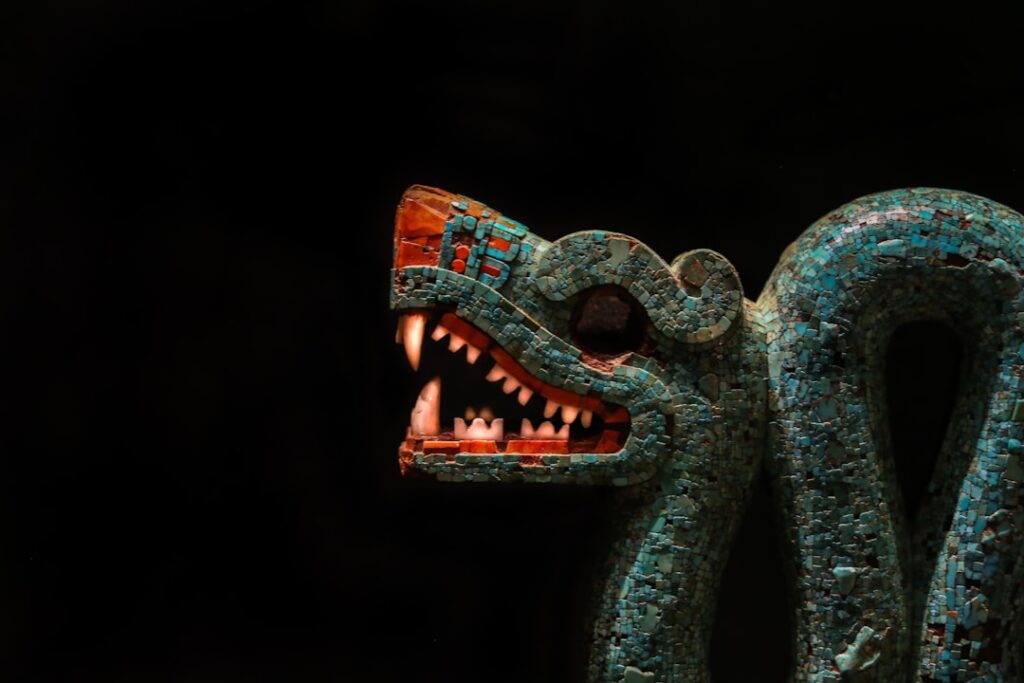
The axolotl’s guardianship role is also reflected in Aztec rituals and ceremonies that honor the dead. Offerings of food, flowers, and images of axolotls were made to ensure safe passage for the souls of the deceased. By venerating the axolotl, the Aztecs acknowledged its importance as a mediator between realms, reinforcing the belief that life and death are interconnected aspects of the same continuum.
Embodiment of Water Deities
Water played a crucial role in Aztec cosmology, often associated with fertility and life. The axolotl, being an aquatic organism, symbolizes the connection to water deities. Its presence in lakes and rivers is seen as a blessing, reflecting the importance of water in sustaining life and agricultural practices. Aztecs revered water as a source of nourishment, both for crops and for spiritual sustenance, and the axolotl became a vital symbol of this connection.
The significance of water in Aztec rituals cannot be overstated. Water was not only essential for agriculture but also held spiritual importance in the context of purification and renewal. The axolotl, therefore, represents the life-giving properties of water, serving as a reminder of the need for balance and respect for natural resources. By honoring the axolotl, the Aztecs acknowledged the vital role that water plays in their lives, reinforcing their commitment to environmental stewardship.
A Reflection of Duality
The axolotl’s existence in both water and its ability to breathe air represents duality, a significant theme in Aztec beliefs. This duality mirrors the balance between opposites, such as life and death, light and darkness. The axolotl serves as a reminder of the interconnectedness of these opposing forces within the universe. In Aztec thought, duality is not a conflict but rather a harmonious relationship that sustains existence.
The axolotl’s unique biology exemplifies this idea of duality. Unlike other amphibians that undergo metamorphosis, axolotls retain their larval features throughout their lives, a phenomenon known as neoteny. This trait serves as a powerful symbol of remaining true to one’s essence while adapting to the environment. The Aztecs valued this concept of authenticity, viewing the axolotl as an embodiment of the balance between change and stability, a principle that resonates across various aspects of their culture.
Symbol of Transformation
Transformation is a recurring theme in Aztec mythology, and the axolotl exemplifies this concept through its life cycle. Unlike other amphibians that undergo metamorphosis, axolotls retain their larval features throughout their lives. This unique trait symbolizes the idea of remaining true to one’s essence while adapting to the environment, a principle valued by the Aztecs. In their worldview, transformation is not merely a physical process but a spiritual journey that reflects personal growth and evolution.
The axolotl’s ability to regenerate lost limbs and organs serves as another dimension of transformation, illustrating the potential for renewal in the face of adversity. This regenerative capacity is not just a biological marvel but a metaphor for the human experience of overcoming challenges and emerging stronger. The Aztecs celebrated this transformative aspect of the axolotl in their art and literature, portraying it as a symbol of resilience and hope.
Inspiration for Art and Rituals
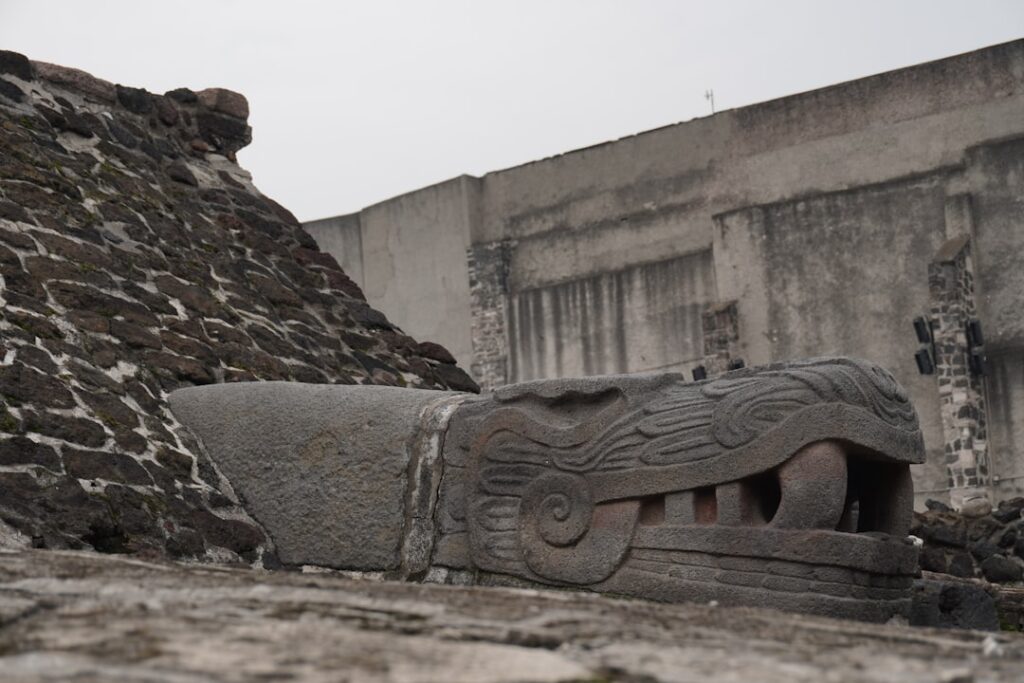
Throughout history, the axolotl has inspired various forms of art and rituals within Aztec culture. Representations of axolotls can be found in pottery, sculptures, and codices, illustrating its significance as a cultural symbol. These artistic depictions often emphasize the creature’s unique features, such as its frilly gills and playful demeanor, celebrating its role in the natural world. The axolotl’s distinct appearance not only captivates viewers but also serves as a reminder of the interconnectedness of life.
Rituals honoring the axolotl and its associated deities were performed to seek blessings for fertility and prosperity. These ceremonies often involved offerings to the gods, invoking the axolotl’s spirit as a protector of the community. Through these rituals, the Aztecs sought to maintain harmony with nature and ensure bountiful harvests, underscoring the creature’s role as a vital link between the spiritual and physical realms.
 📖 Read also:
Unlocking the Secrets of Axolotl Cancer Research: A New Hope for Healing
The Importance of Understanding Axolotl Mythology
Exploring the mythology surrounding axolotls is crucial for appreciating the rich tapestry of Aztec culture. It allows us to see how this unique creature has influenced not only religious beliefs but also artistic expressions and societal values. Understanding these connections deepens our respect for both the axolotl and the ancient civilizations that revered it. The axolotl’s presence in mythology serves as a tangible link to the past, offering insights into how the Aztecs viewed their world and their place within it.
As we face modern challenges such as habitat destruction and climate change, recognizing the cultural importance of species like the axolotl can inspire conservation efforts. The axolotl’s status as a symbol of regeneration and transformation is particularly relevant in today’s context, where the preservation of biodiversity is paramount. By protecting these creatures, we honor the legacies of the cultures that celebrated them and ensure that their stories continue to resonate in the future.
Conclusion
The axolotl is much more than an intriguing amphibian; it is a symbol steeped in rich mythology and cultural significance. Its connection to Aztec beliefs highlights themes of regeneration, duality, and transformation that resonate deeply within the human experience. As we learn more about the axolotl and its place in history, we not only appreciate its uniqueness but also gain insight into the profound wisdom of ancient civilizations. The enduring legacy of the axolotl serves as a reminder of the importance of understanding and preserving the rich cultural narratives that shape our world.
Frequently Asked Questions (FAQ)
What is the significance of axolotls in Aztec mythology?
Axolotls are significant in Aztec mythology as symbols of regeneration and are associated with the god Xolotl, representing themes of life, death, and rebirth. Their unique biological traits and cultural representations underscore their importance in Aztec spiritual beliefs.
How does the axolotl relate to the concept of duality?
The axolotl embodies duality through its ability to exist in water while also breathing air, reflecting the balance between opposites in Aztec beliefs. This connection to duality extends to its role in mythology, where it symbolizes the interplay between life and death.
What role does Xolotl play in the mythology of axolotls?
Xolotl is the god associated with the axolotl, representing death and the underworld, and emphasizes the connection between the creature and Aztec spiritual beliefs. His narratives often highlight themes of transformation and sacrifice, further enriching the mythology surrounding the axolotl.
Why is understanding axolotl mythology important today?
Understanding axolotl mythology is important as it enriches our appreciation for cultural narratives and highlights the need for conservation efforts for this unique species. By recognizing the cultural significance of the axolotl, we can foster a deeper connection to nature and promote the preservation of biodiversity.